


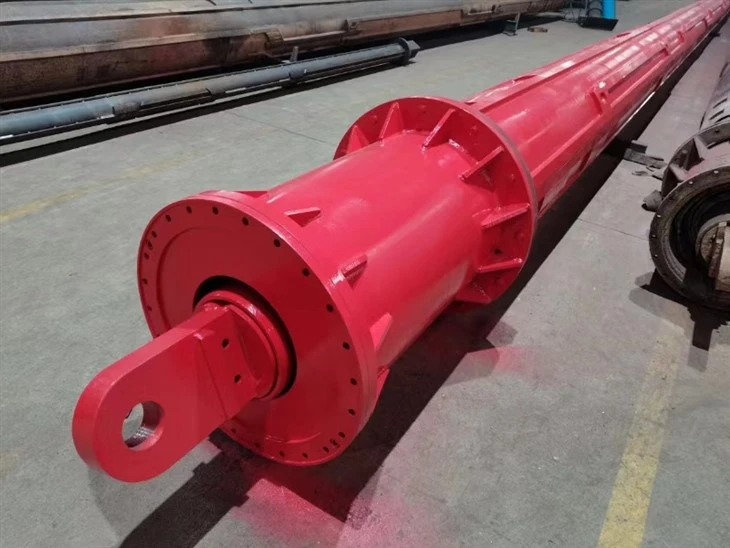
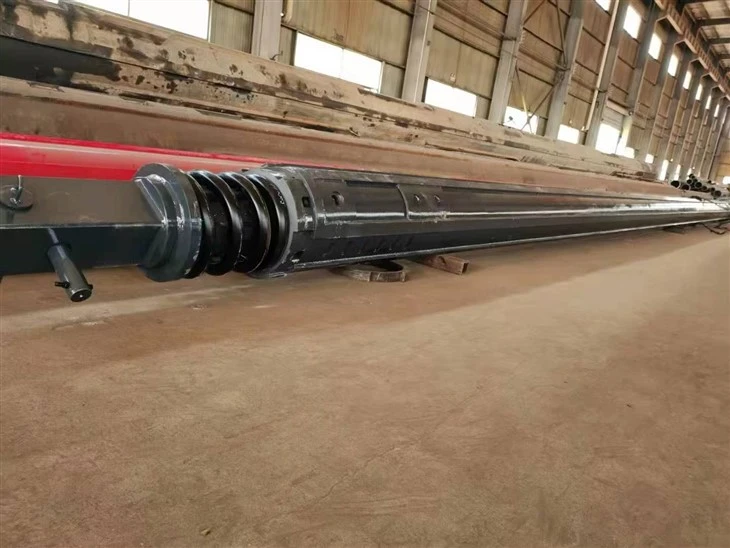
As a supplier of Friction Kelly Bars, ensuring the safe transportation of these essential drilling components is of utmost importance. Friction Kelly Bars are crucial in the construction and drilling industries, used in rotary drilling rigs for various applications such as foundation piling, geothermal drilling, and mining. In this blog, I will share some valuable insights and guidelines on how to transport a Friction Kelly Bar safely.
Pre - Transportation Preparation
Inspection
Before transportation, a thorough inspection of the Friction Kelly Bar is necessary. Check for any signs of damage, such as cracks, dents, or loose parts. Examine the locking mechanisms, if applicable, to ensure they are in good working condition. Any damaged parts should be repaired or replaced before the bar is loaded for transportation. This step is vital as damaged bars can pose a safety risk during transit and may also affect their performance once they reach the destination.
Cleaning
Clean the Friction Kelly Bar to remove any dirt, debris, or drilling mud. A clean bar is easier to handle and inspect during transportation. It also helps prevent the spread of contaminants to other equipment or the transportation vehicle. Use appropriate cleaning agents and tools to ensure a thorough cleaning.
Documentation
Prepare all the necessary documentation for the transportation of the Friction Kelly Bar. This includes the bill of lading, which details the quantity, description, and destination of the bar. Also, have any relevant safety certificates or inspection reports on hand. These documents are essential for customs clearance, if applicable, and for ensuring compliance with transportation regulations.
Loading the Friction Kelly Bar
Selecting the Right Vehicle
Choose a transportation vehicle that is suitable for the size and weight of the Friction Kelly Bar. For smaller bars, a flat - bed truck may be sufficient. However, for larger and heavier bars, a specialized heavy - haul vehicle may be required. Ensure that the vehicle has appropriate tie - down points and is in good mechanical condition.
Securing the Bar
Once the Friction Kelly Bar is loaded onto the vehicle, it must be properly secured. Use high - strength straps or chains to tie down the bar at multiple points. Make sure the straps or chains are tightened securely to prevent the bar from shifting during transit. Additionally, place padding between the bar and the vehicle to prevent damage to both the bar and the vehicle.
Positioning
Position the Friction Kelly Bar on the vehicle in a way that distributes the weight evenly. This helps maintain the stability of the vehicle during transportation. Avoid placing the bar in a position where it may interfere with the driver's visibility or the operation of the vehicle's controls.
During Transportation
Route Planning
Plan the transportation route carefully. Consider factors such as road conditions, traffic, and any potential obstacles. Avoid routes with low bridges, narrow roads, or areas prone to flooding. Also, check for any road closures or construction work that may affect the journey.
Speed and Driving
The driver should maintain a safe and appropriate speed during transportation. Sudden stops, starts, or sharp turns can cause the Friction Kelly Bar to shift or become damaged. Encourage the driver to drive smoothly and follow all traffic rules.
Monitoring
If possible, monitor the transportation of the Friction Kelly Bar in real - time. This can be done using GPS tracking devices or by regular check - ins with the driver. Monitoring allows you to detect any issues, such as unexpected delays or signs of movement of the bar, and take appropriate action.
Unloading and Storage
Unloading Procedures
When unloading the Friction Kelly Bar, follow proper procedures to ensure safety. Use appropriate lifting equipment, such as cranes or forklifts, and ensure that the operators are trained and qualified. Unload the bar slowly and carefully to prevent damage.
Storage
After unloading, store the Friction Kelly Bar in a suitable location. The storage area should be dry, well - ventilated, and protected from the elements. Store the bar in a horizontal position to prevent bending or warping. If possible, cover the bar to protect it from dust and debris.
Related Products
As a supplier, we also offer a range of other Kelly Bar products, including the 5 Section Interlocking Kelly Bar, the Locking Kelly Bar Of Rotary Drilling Rig, and the Bauer Interlocking Kelly Bar. These products are designed to meet the diverse needs of our customers in the drilling and construction industries.
Conclusion
Transporting a Friction Kelly Bar safely requires careful planning, proper handling, and strict adherence to safety procedures. By following the guidelines outlined in this blog, you can minimize the risk of damage to the bar during transportation and ensure its safe arrival at the destination. If you are in the market for Friction Kelly Bars or any of our related products, we invite you to contact us for a detailed discussion on your requirements. Our team of experts is ready to assist you in finding the right solutions for your drilling projects.
References
- "Transportation Safety Guidelines for Heavy Construction Equipment", Construction Industry Safety Council
- "Best Practices for Handling and Transporting Drilling Tools", Drilling Equipment Manufacturers Association