Casing pipe is a hollow steel tube used for underground construction and utility projects to protect utility lines and product pipes from damage due to construction or weather-related damage. Casing pipe is also sometimes referred to as “encasement pipe.” This type of pipe is common in various kinds of underground boring.
Main Products
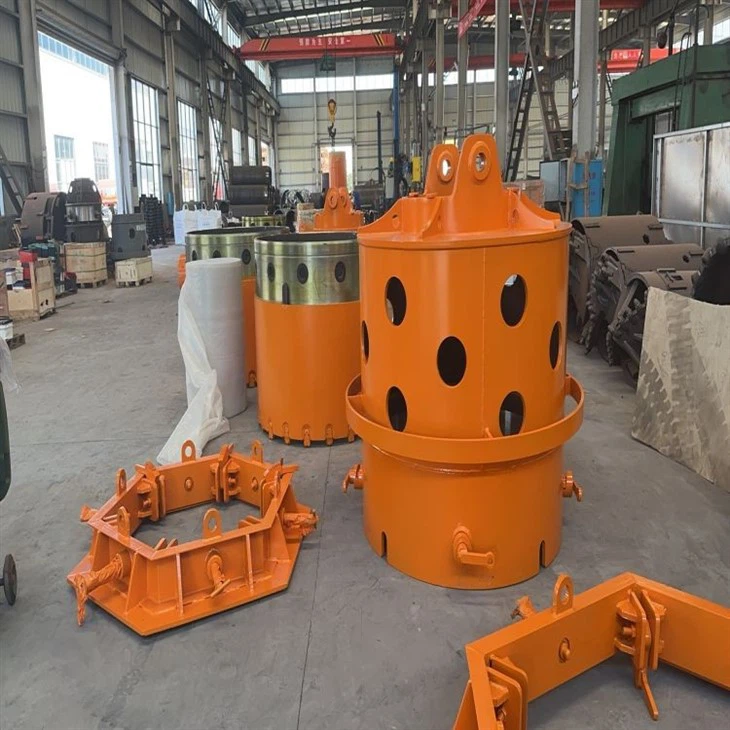
Mainly manufacture drilling bucket,auger,core barrel,cleaning bucket,casing tube,drilling bits,kelly bar,desander,pile breaker,tremie pipes etc.
Specialized Processing and Equipments
Raw material comes from the biggest supplier of steel plate in China.
4-Rolls CNC rolling machine,max rolling thickness 70mm and width 3200mm,rolling error of one.
Cases
Our products have been sold more than 60 countries and regions:USA,Australia,Canada,New Zealand,Russia,Brazil,Mexico,South East Asia, Bangladesh,Africa etc.
Advanced equipment
We have the most advanced production equipment such as rolling machine, vertical lathe, CNC automatic boring and milling machine.
Conductor Casing
Conductor casing is installed first, usually prior to the arrival of the drilling rig. The hole for conductor casing is often drilled with a small auger drill, mounted on the back of a truck. Conductor casing is usually no more than 20 to 50 feet long. It is installed to prevent the top of the well from caving in and to help in the process of circulating the drilling fluid up from the bottom of the well. Onshore, this casing is usually 16 to 20 inches in diameter, while offshore casing usually measures 30 to 42 inches. The conductor casing is cemented into place before drilling begins.
Surface casing is the next type of casing to be installed. It can be anywhere from a few hundred to 2,000 feet long, and is smaller in diameter than the conductor casing. When installed, the surface casing fits inside the top of the conductor casing. The primary purpose of surface casing is to protect fresh water deposits near the surface of the well from being contaminated by leaking hydrocarbons or salt water from deeper underground. It also serves as a conduit for drilling mud returning to the surface, and helps protect the drill hole from being damaged during drilling. Surface casing, like conductor casing, is cemented into place. Regulations often dictate the thickness of the cement to be used to ensure that there is little possibility of freshwater contamination.
Intermediate Casing
Intermediate casing is usually the longest section of casing found in a well. The primary purpose of intermediate casing is to minimize the hazards that come along with subsurface formations that may affect the well. These include abnormal underground pressure zones, underground shale, and formations that might otherwise contaminate the well, such as underground salt-water deposits. In many instances, even though there may be no evidence of an unusual underground formation, intermediate casing is run as insurance against the possibility of such a formation affecting the well. These intermediate casing areas may also be cemented into place for added protection.
Liner Strings
Liner strings are sometimes used instead of intermediate casing. Liner strings are commonly run from the bottom of another type of casing to the open well area. However, liner strings are usually attached to the previous casing with 'hangers', instead of being cemented into place. This type of casing is thus less permanent than intermediate casing.
Production Casing
Production casing, alternatively called the 'oil string' or 'long string,’ is installed last and is the deepest section of casing in a well. This is the casing that provides a conduit from the surface of the well to the petroleum-producing formation. The size of the production casing depends on a number of considerations, including the lifting equipment to be used, the number of completions required, and the possibility of deepening the well at a later time. For example, if it is expected that the well will be deepened at a later date, then the production casing must be wide enough to allow the passage of a drill bit later on.
Well casing is a very important part of the completed well. In addition to strengthening the well hole, it provides a conduit to allow hydrocarbons to be extracted without intermingling with other fluids and formations found underground. It is also instrumental in preventing blowouts, allowing the formation to be 'sealed' from the top should dangerous pressure levels be reached. For more technical information on blowouts and their prevention. Once the casing has been set, and in most cases cemented into place, proper lifting equipment is installed to bring the hydrocarbons from the formation to the surface. After the casing is installed, tubing is inserted inside the casing, running from the opening well at the top to the formation at the bottom. The hydrocarbons that are extracted go up this tubing to the surface. This tubing may also be attached to pumping systems for more efficient extraction, should that be necessary.
Protecting Utility Lines: Casing pipes are extensively used to safeguard essential utility lines like water mains, gas pipelines, electrical cables, and communication lines. These pipes ensure uninterrupted service by preventing damage during construction or due to environmental factors.
Well Construction: Borewell casing pipes are a crucial element in well construction. They prevent the well walls from collapsing, keep out contaminants, and ensure the quality and flow of extracted water. Poly Tatva offers high-quality plastic casing pipes specifically designed for well construction, ensuring clean and reliable water sources.
Microtunneling and Horizontal Directional Drilling (HDD): These trenchless construction techniques utilize casing pipes to create safe passage for installing new pipelines or cables underground. Casing pipes provide structural support during excavation and protect the new installations from surrounding soil and debris.
Road Crossings and Bridge Construction: When utility lines need to pass beneath roads or bridges, casing pipes offer a secure pathway. They ensure the integrity of the pipelines while preventing any disruption to the overlying road or bridge structure.
Shoring and Foundation Support: Casing pipes can be used for shoring excavations, providing temporary support to prevent cave-ins. Additionally, they can be employed in deep foundation construction, offering structural reinforcement for pilings and other foundation elements.
The Role Of Casing Tube In The Construction Field
Provide support
Steel structure casing can be used to support and disperse the weight of the building, bear part of the load, and increase the stability and strength of the building.
Protect components
Steel structure casing can be used to protect some important components in the building, such as cables, pipelines, high-temperature equipment, etc. At the same time, it can also reduce the impact of environmental factors on these components and extend their service life.
Enhance aesthetics
Steel structure casing can play a role in beautifying the building. Because steel pipes have beautiful shapes and rich surface treatment technologies, they can add a unique artistic atmosphere to buildings.


Lightweight: Plastic casing pipes are significantly lighter than steel pipes, making them easier to transport, handle, and install. This translates to reduced labour costs and faster project completion times.
Corrosion Resistance: Plastic is naturally resistant to corrosion, unlike steel, which can rust and deteriorate over time. This ensures the long-lasting integrity of the casing pipe and the protected utilities within.
Flexibility: Certain types of plastic casing pipes offer a degree of flexibility, allowing them to adapt to uneven ground conditions or minor shifts in the surrounding soil.
Cost-Effective: Plastic casing pipes are generally more cost-effective than their steel counterparts. This makes them a valuable option for budget-conscious projects.
Environmentally Friendly: The production and installation of plastic casing pipes have a lower environmental impact compared to steel pipes. Additionally, they can be recycled at the end of their lifespan, promoting sustainability.
Corrosion Protection: One of the primary benefits of casing pipes is their ability to protect the enclosed pipe from corrosion. By preventing direct contact with corrosive substances present in soil and groundwater, casing pipes significantly reduce the risk of pipe deterioration over time. This corrosion resistance is crucial for maintaining water quality and ensuring the long-term reliability of plumbing systems.
Structural Reinforcement: Casing pipes provide additional structural support to underground pipelines. They help distribute external loads and pressures, minimizing the risk of pipe collapse or deformation due to soil movement or heavy traffic loads. This structural reinforcement is particularly important in areas with unstable soil conditions or where pipes are susceptible to external damage.
Ease of Maintenance: Installing casing pipes facilitates easier access for maintenance and repair activities. When maintenance is required, technicians can access the enclosed pipe without extensive excavation, reducing disruption to the surrounding area and minimizing repair costs. This ease of access is advantageous for both residential and commercial plumbing systems, where downtime and operational disruptions must be minimized.
Selecting the Right Size
Choose casing pipes with sufficient diameter and wall thickness to accommodate the size and type of the enclosed pipe. Proper sizing ensures a snug fit and provides adequate protection against external elements and pressures.
Material Selection
Consider environmental factors such as soil composition, groundwater conditions, and potential corrosive agents when selecting casing pipe materials. Common materials include PVC, steel, and fiberglass, each offering specific advantages in terms of durability, corrosion resistance, and cost-effectiveness.
Sealing and Grouting
Use high-quality sealing compounds and grouting materials during installation to create a secure seal between the casing pipe and the enclosed pipe. Proper sealing prevents water infiltration and maintains the integrity of the protective barrier, enhancing the overall effectiveness of the casing pipe installation.
Determine the installation location:
The area and specific location where the casing needs to be installed need to be determined according to the project needs. This includes considering the type of casing (such as rigid casing, flexible waterproof casing, etc.) and their specific uses.
(1) Confirm the model and size of the casing to ensure that it matches the cables and pipelines to be protected, and select high-quality casing that meets national standards.
(2) Clean the installation location to ensure that the installation location is clean and tidy, without obstacles such as garbage and debris, so as to facilitate the normal installation of the casing.
(3) Prepare the required tools and materials, such as wrenches, scissors, steel wire, steel bars, etc., to ensure that the equipment and tools required during the installation process are complete.
Measurement and marking: Determine the size and installation location of the casing according to the construction drawings and specifications. Use a ruler to measure and mark the location where the hole needs to be drilled.
Drilling: Use a drilling tool to drill holes at the marked location. The hole diameter and depth must match the size of the casing.Cleaning the hole: Use a rag or compressed air to remove dust and debris in the hole to ensure the cleanliness of the installation surface.
Assemble the casing: Hoist the casing to the installation location, or directly place the casing in the installation location by hand, and ensure that the casing is straight. Assemble the casing with the pipe to ensure that the assembly is firm and tight. For flexible waterproof casing, it is also necessary to check whether the bolt holes of the flange are unobstructed to prevent concrete clogging.
Check the sealing: Apply an appropriate amount of water or other sealing materials on the assembled casing, check the sealing between it and the pipe, and ensure that there is no leakage. At the casing connection, use special scissors to regularize the size of the casing and use sealant to seal it to prevent rainwater from seeping in.
Install the fixings: Select suitable fixings such as nuts, bolts, etc. according to the model and specifications of the casing. Install the fixings on the casing to ensure that it is firm and stable.
Connect the pipeline: Use a special wrench to align the thread of the casing with the pipe mouth at a 45-degree angle, and rotate the thread to the left so that the casing is tightly connected to the pipe mouth. Connect the casing with the pipeline to ensure that the connection is firm and tight to avoid gaps or leakage.
Adjust the position: Check whether the position of the casing and the seamless pipe connection is correct. If necessary, use the adjustment piece to adjust it.
Fix the casing: According to the actual situation or requirements, use the fixing piece/wire to firmly fix the sleeve on the pipe to ensure that it will not loosen or fall off and is firmly installed.
Check the fixing effect: Check the fixing effect of the sleeve to ensure that it is firmly fixed on the pipe to avoid leakage.
Hunan SMSCC Heavy Industry Co., Ltd,which was founded in 2013,Focus on R&D, manufacturing and sales of drilling tools for bore piling machine. SMSCC Drill is one of the biggest manufacturers of casing tube and drilling tools in China after more than 10 years development.Meanwhile Hyper Drill is dedicated to providing customers from all over the world with deeper ,greater and stronger foundation engineering products .


Q: What is a Casing Tube?
Q: What are Casing Tubes made of?
Q: How are Casing Tubes installed?
Q: What is the purpose of Casing Tubes in drilling operations?
Q: Can Casing Tubes be used in any type of ground?
Q: What are the different types of Casing Tubes?
Q: What is the typical size of a Casing Tube?
Q: How deep can Casing Tubes be installed?
Q: What is the difference between a Casing Tube and a Conduit Pipe?
Q: How do you choose the right Casing Tube for your application?
Q: Can Casing Tubes be used for water well construction?
Q: What safety considerations should be taken when using Casing Tubes?
Q: How do you seal the top of a Casing Tube?
Q: How do you maintain Casing Tubes?
Q: Are Casing Tubes compatible with different drilling rigs?
Q: Can Casing Tubes be used for foundation support in construction?
Q: What is the advantage of using a Casing Tube for drilling in soft ground?
Q: How does the design of a Casing Tube affect its performance?
Q: What are the limitations of using Casing Tubes in hard rock formations?
Q: What accessories are commonly used with Casing Tubes?
As one of the leading casing tube manufacturers and suppliers in China, we warmly welcome you to buy durable casing tube for sale here and get free sample from our factory. All customized products are with high quality and competitive price.