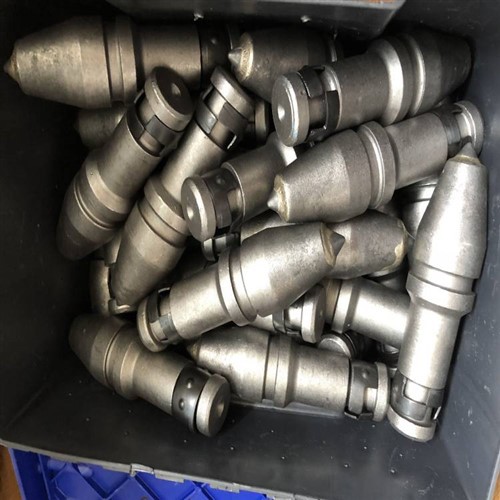
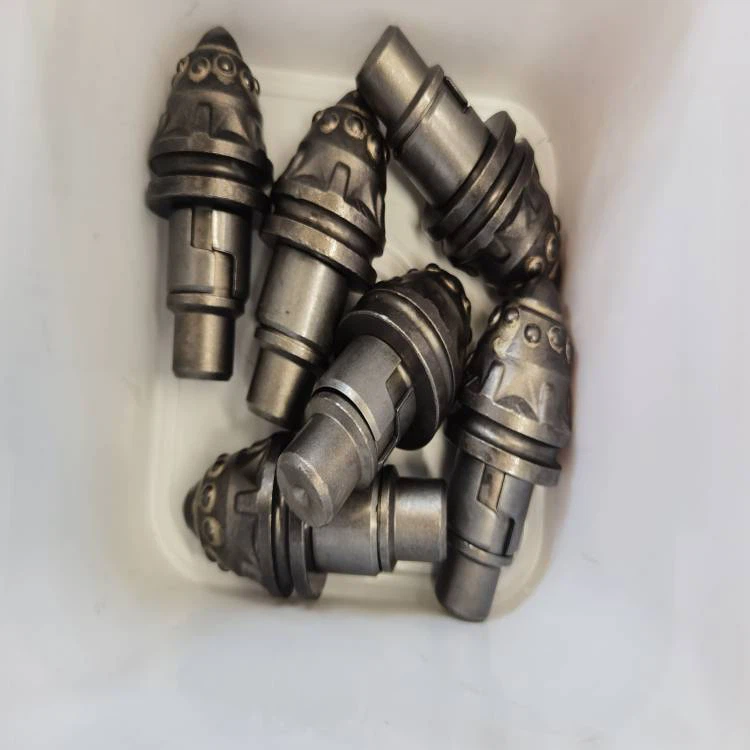
A Rock Drilling Bit, often referred to simply as a drill bit, is a crucial tool used in the process of creating holes in hard, abrasive surfaces such as rocks and concrete. It is a component of drilling equipment primarily used in the mining, construction, and oil and gas industries.
Main Products
Mainly manufacture drilling bucket,auger,core barrel,cleaning bucket,casing tube,drilling bits,kelly bar,desander,pile breaker,tremie pipes etc.
Specialized Processing and Equipments
Raw material comes from the biggest supplier of steel plate in China.
4-Rolls CNC rolling machine,max rolling thickness 70mm and width 3200mm,rolling error of one.
Cases
Our products have been sold more than 60 countries and regions:USA,Australia,Canada,New Zealand,Russia,Brazil,Mexico,South East Asia, Bangladesh,Africa etc.
Advanced equipment
We have the most advanced production equipment such as rolling machine, vertical lathe, CNC automatic boring and milling machine.
Maintaining rock drill bits is crucial to ensure their longevity and performance. Here are some tips on how to maintain rock drill bits
Clean the Bit Regularly: After each use, clean the bit thoroughly with a wire brush to remove any debris, dirt or rock particles that may be stuck in it. Failure to clean the bit regularly may lead to a buildup of debris that can cause damage to the bit and affect its drilling performance.
Inspect the Bit: Inspect the bit regularly to check for any signs of damage such as cracks, worn-out buttons or cones, or excessive wear. If any of these signs are present, it may be time to replace the bit.
Keep the Bit Lubricated: Lubrication is essential for the proper functioning of the bit. Make sure to use the recommended lubricants and ensure that they are applied correctly.
Store the Bit Properly: When not in use, store the bit in a dry and cool place, away from direct sunlight and moisture. This helps to prevent rust and corrosion that can affect the bit's performance.
Sharpen the Bit: A dull bit can reduce drilling efficiency and increase wear and tear. Regularly sharpen the bit using a sharpening stone or file to maintain its sharpness.
Use the Bit Correctly: Proper use of the bit is also important for its longevity. Use the correct drilling technique and avoid applying too much pressure, which can cause the bit to break.
Advantages of Rock Drilling Bit
Reduced drilling time
A core barrel can drill a borehole faster than other drilling tools. This is because the barrel is designed to remove the core from the borehole as it is drilled, allowing the drill bit to continue cutting.
Increased accuracy
A core barrel is more accurate than other drilling tools. This is because the barrel is designed to remove the core from the borehole in a straight line, ensuring that the borehole is drilled in a straight line.
Improved pile hole quality
The use of a core barrel can improve the quality of the pile hole. This is because the barrel is designed to remove the core from the borehole without causing damage to the formation. This can help to avoid formation damage and improve pile hole stability.

Different top hammer rock drill bit sizes are used for various drilling applications, depending on the type of rock formation being drilled and the drilling method used. Here are some examples of how different top hammer rock drill bit sizes can be used in different applications.
Small diameter top hammer button bits (less than 2 inches): These are commonly used for drilling shallow blast holes, anchor holes, and exploration drilling in soft to medium-hard rock formations.
Medium-diameter top hammer button bits (2 to 4 inches): These are used for drilling medium blast holes in medium-hard to hard rock formations. They are also used for tunneling and drifting applications.
Large-diameter top hammer button bits (greater than 4 inches): These are used for drilling large blast holes in hard rock formations. They are also used in construction and mining applications, such as drilling shafts and tunnels.
Selecting the right top hammer rock drill bit size for the specific application is critical to ensure efficient drilling and maximum productivity. The rock drill bit sizes should be selected based on the hardness, density, depth of rock formation, and the drilling method being used. Additionally, other factors such as the type of rock drills and the power of the drilling machine may also influence the choice of button bit size.
Building And Construction and Structure Drilling
Building and construction projects frequently involve boring holes for structures, heaps, and retaining walls in locations with varying rock densities. Rock auger little bits are vital for such applications, as they make certain a secure and protected foundation by properly drilling through acid rock. The accuracy and strength of rock auger bits contribute to the durability and stability of frameworks, making them essential in the building and construction sector.
Mining and Quarrying
The mining and quarrying industries rely greatly on the boring of rock formations to remove useful minerals and resources. Rock auger little bits are used for drilling blast holes, exploration drilling, and rock sampling in these requiring atmospheres. The sturdiness and efficiency of these bits are critical for the success of mining procedures.
Geotechnical and Environmental Exploration
Geotechnical design and ecological exploration typically call for drilling with numerous rock formations to gather dirt and rock samples for analysis. Rock auger little bits are the go-to choice for such applications, as they make certain precise and undisturbed example collection, which is crucial for exact geological analyses and ecological research studies.
Water Well Exploration
Water well drilling can take place in areas with unforeseeable geological problems. In areas with hard rock layers, rock auger bits contribute within the water resource successfully. These little bits make sure a reputable and constant water supply for areas, ranches, and industries in regions with difficult geological functions.
Oil and Gas Exploration
The oil and gas market depends on specific boring strategies to accessibility underground gets. Rock auger bits are utilized in this market for boring pilot openings and expedition wells in rocky terrains. Their capacity to pass through acid rock formations plays an important role in finding and drawing out these useful resources.
Insert Bits: Also known as button bits, these are among the most commonly used drill bits. They feature tungsten carbide inserts pressed into the bit's steel body. Insert bits are versatile and suitable for various rock types.
Tricone Bits: These bits have three rotating cones with teeth or inserts. They are effective in drilling through medium to hard rock formations and are commonly used in oil and gas drilling.
Diamond Bits: Diamond bits are used for drilling through extremely hard rock formations such as granite, basalt, and other igneous rocks. They have industrial-grade diamonds embedded in the bit's matrix to grind through hard rock.
PDC (Polycrystalline Diamond Compact) Bits: PDC bits use fixed, large, industrial-grade diamond cutters (polycrystalline diamond compact) to grind through rock formations. They are efficient in drilling through softer formations like shale and sandstone.
Drag Bits: These bits have fixed tungsten carbide or diamond cutters and are dragged along the rock face to create a borehole. They are commonly used in softer formations like clay, sand, and soft limestone.
Chisel Bits: Chisel bits have a flat, chisel-shaped cutting edge and are used for drilling through soft to medium-hard rock formations. They are efficient in drilling operations where high penetration rates are required.
Cross Bits: Cross bits have a cruciform or X-shaped cutting edge and are primarily used for drilling in hard rock formations. They are commonly used in mining and construction applications.
Step Bits: Step bits have a stepped profile with progressively larger diameters, allowing for the drilling of holes with varying sizes. They are often used in quarrying and construction projects.

Identify the type of rock you will be drilling
The type of rock you will be drilling determines the type of rock drilling bit you should use. There are three primary types of rock drilling bits: tungsten carbide inserted, diamond, and tricone. Each type is designed to work best with specific types of rock. Tungsten carbide inserted bits are best for soft to medium-hard rock, diamond bits for hard rock, and tricone bits for hard to very hard rock formations.
Consider the drilling conditions
Different drilling conditions require different rock drilling bits. Before selecting a bit, consider factors such as the size and depth of the hole you need to drill, the angle of the hole, and the presence of water or other obstacles.


Evaluate the drill rig
The drill rig you are using can also impact the type of rock drilling bit you should use. Some drills work better with certain bits than others, so make sure to choose a bit that is compatible with your rig. Be sure to consider other factors such as the speed and power of your drill, as this can also affect your choice of drill bit.
Look for quality and durability
When choosing a rock drilling bit, it is essential to consider the quality and durability of the bit. Look for bits made from high-quality materials that will last longer and resist wear and tear. Also, consider the manufacturer's reputation and customer reviews to ensure that you are purchasing a reliable product.

Maximizing Penetration Rate: The right drill bit design and material selection optimize the penetration rate, allowing for faster drilling progress and increased productivity. Specialized carbide or diamond-tipped bits are often chosen for their superior hardness and wear resistance, enabling them to penetrate rock formations more effectively.
Enhancing Tool Longevity: Proper selection of drill bits reduces equipment wear and tear, prolonging the bits' lifespan and the drilling rig. By choosing bits designed to withstand the abrasive nature of rock drilling, operators can minimize the frequency of bit replacements and associated downtime, ultimately reducing operational costs.
Ensuring Stability and Accuracy: Drill bits must provide stability and accuracy during drilling to prevent deviation from the desired drilling path and maintain hole integrity. Choosing the right bit geometry, such as tapered or stepped designs, helps ensure proper alignment and reduces the risk of deviation or deflection when encountering uneven or fractured rock formations.
Minimizing Drilling Fluid Consumption: Selecting drill bits with efficient cutting structures and hydraulic designs reduces the energy and drilling fluid consumption required for rock drilling. This lowers operational costs and minimizes environmental impact by reducing the volume of drilling fluids required and mitigating the risk of fluid loss into surrounding formations.
Optimizing Performance in Various Rock Types: Different rock formations require different drill bit configurations and materials to achieve optimal performance. By considering factors such as rock hardness, abrasiveness, and fracture characteristics, operators can choose drill bits tailored to the specific geological conditions encountered, maximizing drilling efficiency and minimizing the risk of bit failure or premature wear.
Hunan SMSCC Heavy Industry Co., Ltd,which was founded in 2013,Focus on R&D, manufacturing and sales of drilling tools for bore piling machine. SMSCC Drill is one of the biggest manufacturers of casing tube and drilling tools in China after more than 10 years development.Meanwhile Hyper Drill is dedicated to providing customers from all over the world with deeper ,greater and stronger foundation engineering products .


Q: What drill bit to use for rock?
Q: Do you need a special drill bit for rock?
Q: Can you drill into rock with a regular drill?
Q: What size are rock drill bits?
Q: What are the different types of rock drill bits?
Q: What is the best bit for drilling into rock?
Q: How long does a rock drill bit last?
Q: Do you need a special drill bit for rock?
Q: How to drill hard rock?
Q: What drill bit to use on stone?
Q: How long does a rock drill bit last?
Q: What is a rock drill bit?
Q: How does a rock bit work?
Q: Do you need a special drill bit for rock?
Q: Do masonry bits require a hammer drill?
Q: Why do drill bits dull so fast?
Q: What is the rule for drill bit?
Q: What is the best drill bit for drilling through rock?
Q: Which drilling method is best for extremely hard rocks?
Q: Can a normal drill drill into stone?
As one of the leading rock drilling bit manufacturers and suppliers in China, we warmly welcome you to buy durable rock drilling bit for sale here and get free sample from our factory. All customized products are with high quality and competitive price.
C31HD Drilling Bit, Hard Rock Drilling Bit, Core Barrel Roller Bit