


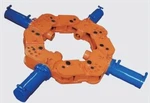
Hey there! I'm a supplier of casing drives, and today I wanna chat about whether a casing drive can be used in different soil conditions. It's a question I get a lot from my customers, so let's dig into it.
First off, let's talk about what a casing drive is. A casing drive is a tool used in construction and drilling projects to install casing pipes into the ground. It's a pretty important piece of equipment, as it helps to keep the borehole stable and prevent it from collapsing.
Now, the big question is, can a casing drive be used in different soil conditions? The short answer is yes, but it's not that simple. Different soil conditions can present different challenges, and you need to choose the right casing drive and adapter for the job.
Let's start with the most common soil conditions: sandy soil, clay soil, and rocky soil.
Sandy Soil
Sandy soil is one of the easiest soil conditions to work with when it comes to casing drives. The loose, granular nature of sand allows the casing to be easily driven in without much resistance. However, sandy soil can also be unstable, and there's a risk of the casing collapsing if it's not properly supported.
To use a casing drive in sandy soil, you'll want to choose a casing drive with a high torque output. This will help to ensure that the casing can be driven in smoothly and without getting stuck. You'll also want to use a Casing Drive Adapter that's designed for sandy soil. These adapters typically have a wider diameter and a more aggressive tooth pattern to help cut through the sand.
Clay Soil
Clay soil is a bit more challenging to work with than sandy soil. Clay is a sticky, cohesive soil that can make it difficult to drive the casing in. It can also cause the casing to become stuck, which can be a real headache.
To use a casing drive in clay soil, you'll need to choose a casing drive with a high impact force. This will help to break up the clay and allow the casing to be driven in more easily. You'll also want to use a Bauer Casing Drive Adapter that's designed for clay soil. These adapters typically have a narrower diameter and a more gentle tooth pattern to help prevent the clay from sticking to the adapter.
Rocky Soil
Rocky soil is the most challenging soil condition to work with when it comes to casing drives. Rocks can be hard and abrasive, and they can cause significant damage to the casing and the casing drive.
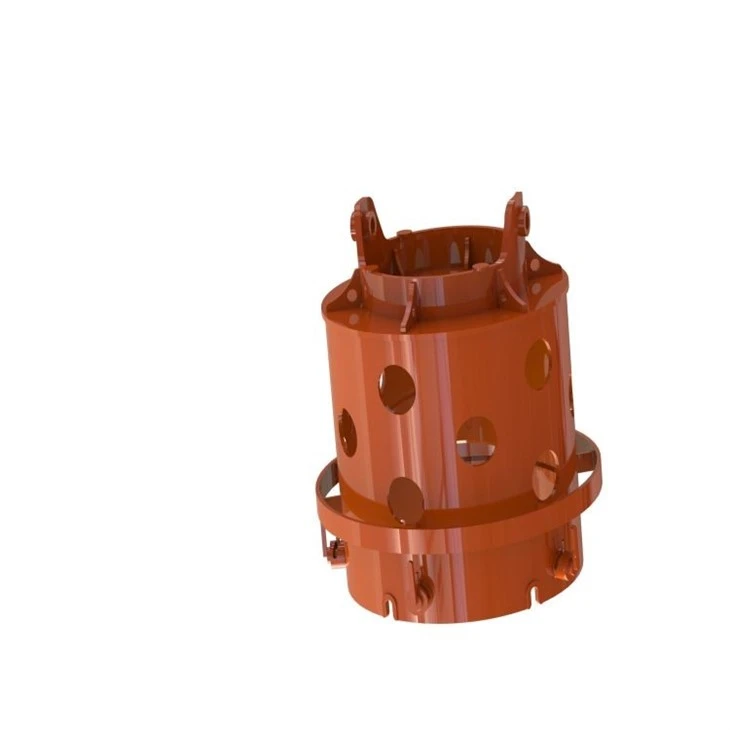
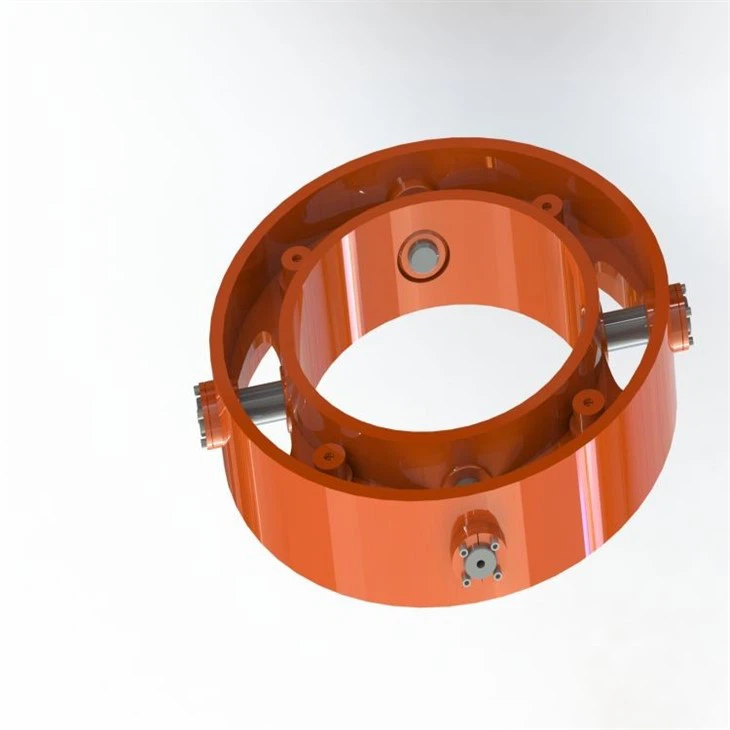
To use a casing drive in rocky soil, you'll need to choose a casing drive with a very high torque output and a high impact force. You'll also want to use a casing drive adapter that's specifically designed for rocky soil. These adapters typically have a very hard, wear-resistant tooth pattern to help cut through the rocks.
It's also important to note that in rocky soil, you may need to use a different drilling method in addition to the casing drive. For example, you may need to use a rock drill to pre-drill the hole before installing the casing.
Other Soil Conditions
In addition to sandy, clay, and rocky soil, there are other soil conditions that you may encounter on a construction or drilling project. These include loamy soil, peat soil, and frozen soil.
Loamy soil is a mixture of sand, silt, and clay, and it's generally considered to be one of the best soil conditions to work with. It's easy to dig in and provides good support for the casing.
Peat soil is a soft, organic soil that can be very difficult to work with. It's often saturated with water, which can make it difficult to drive the casing in. You'll need to choose a casing drive with a high torque output and a casing drive adapter that's designed for soft soil.
Frozen soil is another challenging soil condition. The cold temperatures can make the soil very hard and difficult to penetrate. You'll need to choose a casing drive with a very high torque output and a high impact force. You may also need to use a heating element to thaw the soil before installing the casing.
Conclusion
So, can a casing drive be used in different soil conditions? The answer is yes, but it's important to choose the right casing drive and adapter for the job. Different soil conditions present different challenges, and you need to make sure that your equipment is up to the task.
If you're in the market for a casing drive or a casing drive adapter, I'd be happy to help you find the right equipment for your project. Just give me a shout, and we can have a chat about your specific needs. Whether you're dealing with sandy soil, clay soil, rocky soil, or any other soil condition, I've got the expertise and the equipment to get the job done right.
So, don't hesitate to reach out if you're looking to purchase a casing drive or related accessories. Let's work together to make your construction or drilling project a success!
References
- Geotechnical Engineering Manual, various editions
- Construction Equipment Handbook, multiple authors