


As a casing drive supplier, I often get asked about the suitability of our products in seismic - prone regions. This is a crucial question considering the potential risks associated with earthquake activities. In this blog, we'll explore the technical aspects, challenges, and possibilities of using a casing drive in seismic areas.
Understanding Casing Drives
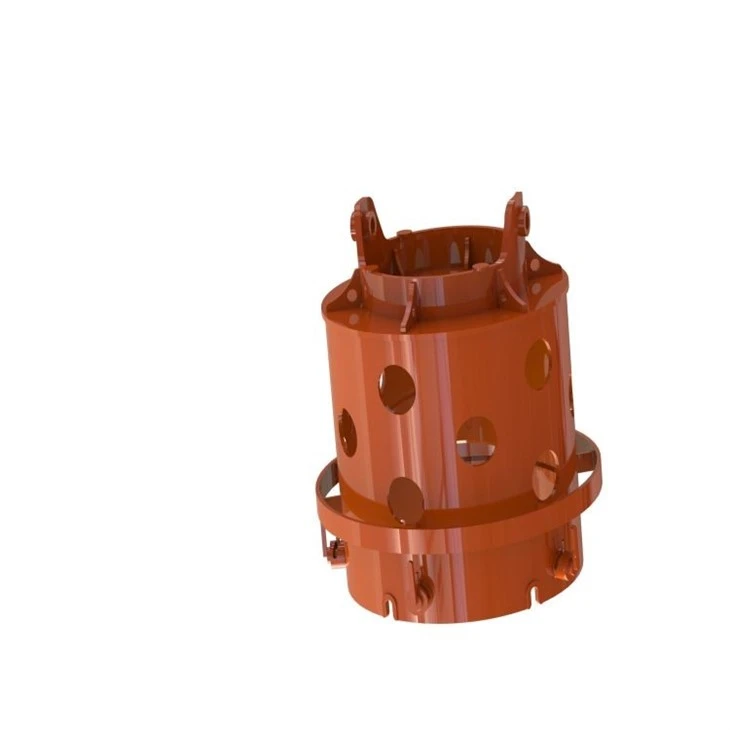
Casing drives are essential tools in various construction, geotechnical, and oil and gas exploration projects. They are primarily used to insert casing into the ground efficiently. Casing is a protective tube that lines the borehole, preventing the collapse of the surrounding soil or rock layers and keeping the hole open during drilling operations. Different types of casing drives are available in the market, such as the Bauer Casing Drive Adapter and Casing Drive Adapter. These adapters provide a connection between the driving equipment and the casing, allowing for effective transfer of force.
Seismic Areas: A Technical Assessment
Seismic areas are characterized by frequent earthquake activities. Earthquakes generate seismic waves that can cause ground shaking, ground displacement, and liquefaction of soil in some cases. These factors pose significant challenges to any construction or drilling equipment operating in the area, including casing drives.
Ground Shaking
The most obvious impact of an earthquake on a casing drive is the ground shaking. Strong ground shaking can cause the casing drive to vibrate excessively, leading to misalignment, damage to components, and even failure of the equipment. The vibration can also interfere with the proper insertion of the casing, as it becomes difficult to maintain the desired verticality and depth control.

Ground Displacement
Earthquakes can cause the ground to move horizontally or vertically. Horizontal displacements can cause the casing to bend or break, especially if the casing is not properly secured. Vertical displacements may lead to changes in the depth of the casing, which can affect the integrity of the borehole and the success of the drilling operation.
Soil Liquefaction
In some seismic areas, the soil may undergo liquefaction during an earthquake. Liquefaction occurs when saturated soil loses its strength and behaves like a liquid. This can be extremely dangerous for a casing drive, as the equipment may sink or become unstable. The casing can also be easily displaced or deformed in liquefied soil, reducing its effectiveness in protecting the borehole.
Technical Solutions for Seismic Areas
Despite these challenges, there are several technical solutions that can make it possible to use a casing drive in seismic areas.
Enhanced Design and Construction
Casing drives used in seismic areas should be designed and constructed to withstand higher levels of vibration and stress. This may involve using stronger materials, improving the structural integrity of the equipment, and adding shock - absorbing components. For example, the casing drive adapter can be designed with additional reinforcement to resist the forces generated during an earthquake.
Monitoring and Control Systems
Implementing advanced monitoring and control systems can help operators detect and respond to seismic events in real - time. These systems can monitor the vibration, orientation, and stress levels of the casing drive. If abnormal conditions are detected, the system can automatically adjust the operation parameters or shut down the equipment to prevent damage.
Ground Improvement Techniques
Before starting the casing drive operation, ground improvement techniques can be employed to reduce the impact of seismic activities. For example, soil compaction, grouting, or the use of ground reinforcement materials can improve the stability of the soil and reduce the risk of liquefaction. This will create a more favorable environment for the casing drive to operate.
Past Case Studies
Looking at past case studies can provide valuable insights into the performance of casing drives in seismic areas. In some regions with a history of moderate seismic activity, properly designed and installed casing drives have been successfully used in construction projects. For instance, in a high - rise building construction project in an area with occasional mild earthquakes, the use of a casing drive with enhanced shock - absorbing features allowed for the efficient installation of the foundation piles. The monitoring system was able to detect minor vibrations during an earthquake, and the equipment was adjusted accordingly to avoid damage.
However, in areas with high - magnitude earthquakes, the challenges are more significant. In a few cases, casing drives have been damaged due to severe ground shaking and liquefaction. These incidents highlight the importance of thorough risk assessment and the implementation of appropriate mitigation measures.
Cost - Benefit Analysis
Using a casing drive in seismic areas may involve additional costs. The enhanced design and construction of the equipment, the implementation of monitoring systems, and the ground improvement techniques all require additional investment. However, the benefits can also be substantial. By using a casing drive, construction projects can proceed more efficiently, reducing the overall project time and cost. In addition, a properly installed casing can provide long - term stability to the borehole, which is crucial for the success of the project, especially in seismic areas where the ground conditions are more unstable.
Conclusion and Procurement Call - to - Action
In conclusion, while using a casing drive in seismic areas presents significant challenges, with proper design, installation, and monitoring, it is indeed possible. As a casing drive supplier, we are committed to providing high - quality products and technical solutions to meet the needs of our customers in seismic areas. Our Bauer Casing Drive Adapter and Casing Drive Adapter are designed to be reliable and efficient, even in the most challenging environments.
If you are considering a project in a seismic area and need a casing drive, we invite you to contact us. Our team of experts can help you assess your needs, recommend the most suitable products, and provide technical support throughout the project. Don't hesitate to start the conversation with us for more information about our casing drive solutions.
References
- Kramer, S. L. (1996). Geotechnical Earthquake Engineering. Prentice - Hall.
- Seed, H. B., & Idriss, I. M. (1982). Ground Motions and Soil Liquefaction During Earthquakes. Earthquake Engineering Research Institute.