


Hey there! As a supplier of tremie pipes, I often get asked if these nifty tools can be used in offshore platform construction. Well, let's dive right into it and find out.
First off, what the heck is a tremie pipe? It's a long, vertical pipe used mainly for pouring concrete underwater. The way it works is pretty straightforward. You lower the pipe down into the water, and then you pump concrete through it. This method helps keep the concrete from getting washed away by the water and ensures a solid pour.
Now, onto the big question: Can a tremie pipe be used in offshore platform construction? The short answer is yes! In fact, tremie pipes are super useful in this kind of construction. Offshore platforms are huge structures built in the middle of the ocean, and they need to be incredibly stable. Concrete is a key material in making these platforms strong and durable, and that's where tremie pipes come in.
One of the main reasons tremie pipes are great for offshore platform construction is that they can handle the unique challenges of working underwater. When you're building an offshore platform, you're dealing with strong ocean currents, varying water depths, and sometimes even harsh weather conditions. A tremie pipe allows you to place concrete precisely where it needs to go, even in these tough environments.
Let's talk about some of the specific applications of tremie pipes in offshore platform construction. One of the most common uses is for foundation work. The foundation of an offshore platform is like the base of a house - it needs to be rock - solid. Tremie pipes are used to pour concrete into caissons or piles that are driven deep into the seabed. This creates a stable foundation that can support the weight of the entire platform.
Another important application is in the construction of jacket structures. Jackets are the steel frames that support the topside facilities of an offshore platform. Tremie pipes are used to fill the voids in these jackets with concrete, which helps strengthen the structure and protect it from corrosion.
Now, I know you might be thinking, "Okay, but what kind of tremie pipes are best for offshore platform construction?" Well, we offer a variety of options. For instance, our Wire Cable Tremie Pipe is a great choice. It's designed to be flexible and easy to handle, which is really important when you're working in the confined spaces and complex geometries of an offshore construction site. The wire cable provides additional support and helps keep the pipe in place, even when there are strong ocean currents.
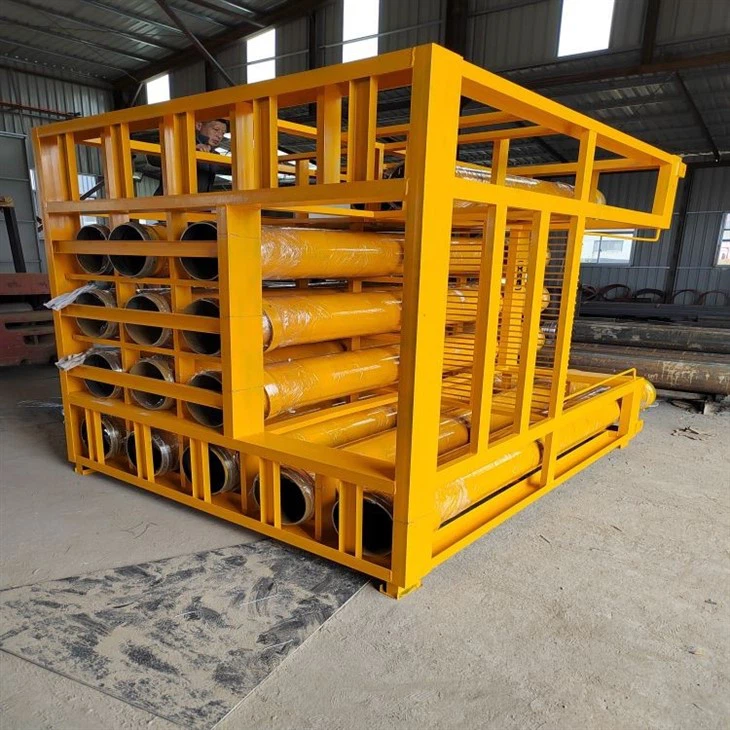
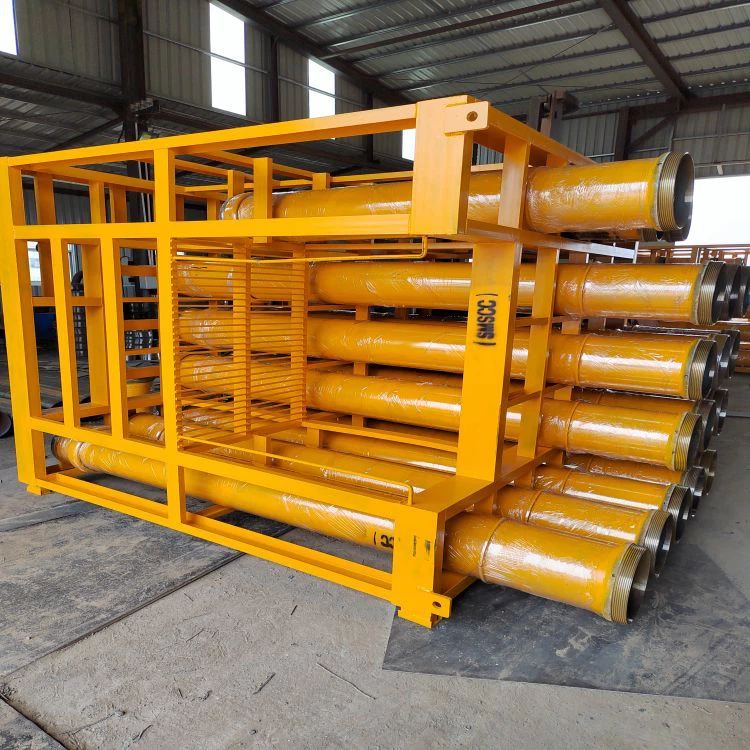
Our Tremie Rack is also a must - have for offshore projects. It's a storage and handling system for tremie pipes. The rack helps keep the pipes organized and makes it easier to transport and deploy them on the construction site. This can save a lot of time and effort, which is crucial when you're working on a large - scale offshore project with tight deadlines.
And then there's our Tremie Coupling Cable. This cable is used to connect different sections of the tremie pipe together. It's strong and reliable, ensuring that the pipe stays intact during the concrete - pouring process. A good coupling cable is essential for preventing leaks and ensuring a smooth and efficient pour.
Of course, using tremie pipes in offshore platform construction isn't without its challenges. One of the main issues is the risk of blockages. If the concrete isn't properly mixed or if there are foreign objects in the pipe, it can cause a blockage. This can slow down the construction process and even lead to costly delays. That's why it's important to work with a reliable supplier who can provide high - quality tremie pipes and offer support and advice on how to use them effectively.
Another challenge is the need for proper maintenance. Tremie pipes are exposed to the harsh marine environment, which can cause corrosion and wear over time. Regular inspections and maintenance are necessary to ensure that the pipes are in good working condition. We offer guidance on maintenance procedures to help our customers keep their tremie pipes in top shape.
So, if you're involved in offshore platform construction, you should definitely consider using tremie pipes. They're a proven and effective solution for placing concrete underwater. And as a tremie pipe supplier, we're here to help you every step of the way. Whether you need advice on which type of tremie pipe is right for your project, or you have questions about installation and maintenance, we've got you covered.
If you're interested in learning more about our tremie pipes or have a project in mind, don't hesitate to get in touch. We'd love to have a chat with you and discuss how our products can meet your needs. Just reach out, and we can start a conversation about your offshore platform construction project.
In conclusion, tremie pipes are a valuable tool in offshore platform construction. They offer a reliable way to place concrete underwater, which is essential for building strong and stable offshore structures. With the right tremie pipes and proper planning, you can ensure the success of your offshore construction project. So, give us a shout, and let's work together to make your project a reality.
References
- Industry standards for offshore platform construction
- Research on underwater concrete placement techniques