


Soil type is a fundamental factor that significantly influences the performance of a casing drive. As a leading casing drive supplier, we have witnessed firsthand the diverse impacts of different soil conditions on the operation and effectiveness of casing drives. In this blog, we will delve into the intricate relationship between soil type and casing drive performance, exploring how various soil characteristics can either facilitate or impede the casing driving process.
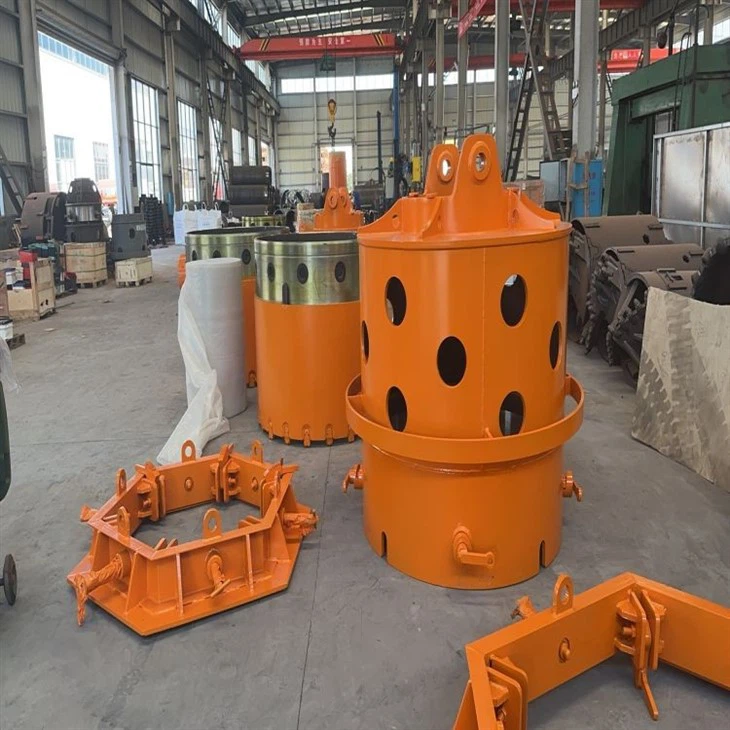
Understanding Casing Drives
Before we explore the influence of soil type, it's essential to understand what a casing drive is and how it functions. A casing drive is a crucial piece of equipment in construction, particularly in foundation work and drilling operations. It is used to install casing tubes into the ground, which provide support and prevent the collapse of the borehole during drilling. The casing drive applies torque and axial force to the casing, driving it into the soil.
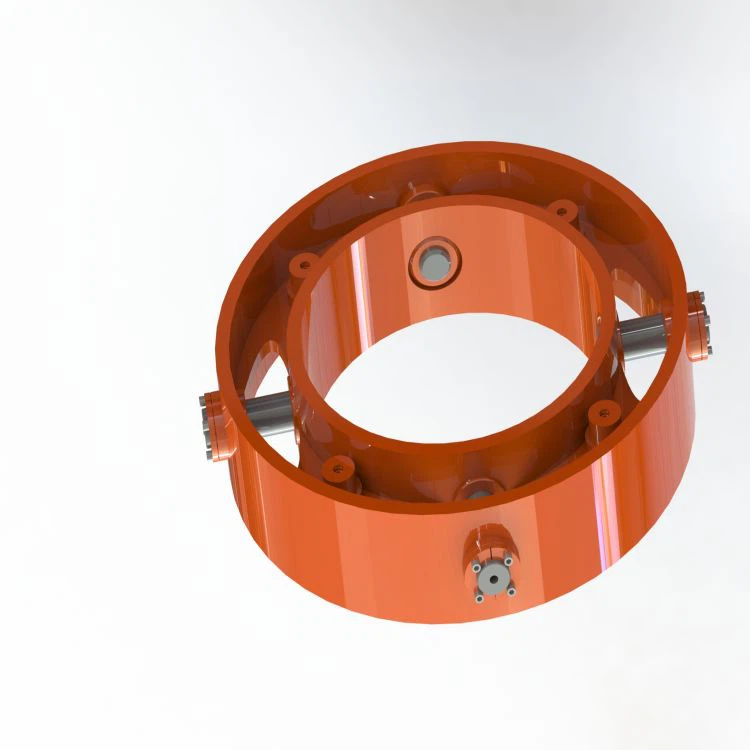
There are different types of casing drives available in the market, each designed to meet specific project requirements. For instance, the Bauer Casing Drive Adapter is a specialized component that enhances the compatibility and performance of the casing drive. It allows for a more efficient transfer of power from the drive to the casing, ensuring smooth and effective installation. Another important component is the Casing Drive Adapter, which plays a vital role in adapting the drive to different casing sizes and configurations.
The Impact of Different Soil Types on Casing Drive Performance
1. Cohesive Soils (e.g., Clay)
Cohesive soils, such as clay, are characterized by their fine particles and high plasticity. These soils have strong internal cohesion, which means that the particles stick together. When driving a casing into cohesive soils, the main challenge is the high resistance caused by the soil's cohesive forces.
- Torque Requirements: The cohesive nature of clay requires a higher torque to penetrate the soil. The casing drive needs to overcome the internal friction and adhesion between the soil particles. As the casing is driven deeper, the pressure exerted by the surrounding soil increases, further increasing the torque demand. Our casing drives are designed to handle these high torque requirements, ensuring that the casing can be installed efficiently even in cohesive soils.
- Casing Installation Speed: The installation speed in cohesive soils is generally slower compared to other soil types. The high resistance from the soil makes it difficult to advance the casing quickly. Additionally, the risk of soil sticking to the casing is higher in clay, which can further impede the installation process. To mitigate this issue, our casing drives are equipped with features that reduce soil adhesion, such as smooth surfaces and special coatings.
2. Granular Soils (e.g., Sand)
Granular soils, like sand, consist of relatively large particles with little to no cohesion. These soils are characterized by their high permeability and low plasticity.
- Torque Requirements: In granular soils, the torque requirements are generally lower compared to cohesive soils. The lack of cohesion between the soil particles means that the casing can more easily displace the soil. However, the high permeability of sand can lead to another issue - the potential for soil to flow into the borehole. This can cause problems such as the formation of voids around the casing and instability. Our casing drives are designed to prevent soil inflow by providing a tight seal between the casing and the soil.
- Casing Installation Speed: Granular soils typically allow for faster casing installation speeds. The loose nature of the soil particles makes it easier for the casing to penetrate the ground. However, care must be taken to ensure that the casing is properly aligned and centered to prevent it from veering off course.
3. Mixed Soils
In many construction sites, the soil is not uniform and may consist of a mixture of cohesive and granular soils. Mixed soils present unique challenges for casing drive performance.
- Torque Fluctuations: As the casing passes through different soil layers, the torque requirements can vary significantly. For example, when moving from a granular layer to a cohesive layer, the torque demand will suddenly increase. Our casing drives are equipped with advanced control systems that can adjust the torque output in real - time to adapt to these changes.
- Casing Integrity: Mixed soils can also pose a threat to the integrity of the casing. The different soil properties can cause uneven stress distribution on the casing, increasing the risk of deformation or damage. Our casing drives are designed to ensure that the casing is installed with minimal stress, protecting its structural integrity.
Factors Affecting Casing Drive Performance in Different Soils
1. Soil Density
Soil density is an important factor that affects the performance of a casing drive. Dense soils, whether cohesive or granular, require more force to penetrate. In dense cohesive soils, the high density is due to the close packing of the fine particles, which increases the internal friction and adhesion. In dense granular soils, the particles are tightly packed, making it difficult for the casing to displace the soil. Our casing drives are designed to handle high - density soils by providing sufficient axial force and torque.
2. Soil Moisture Content
The moisture content of the soil can have a significant impact on casing drive performance. In cohesive soils, an optimal moisture content can reduce the soil's strength and make it easier to penetrate. However, if the soil is too wet, it can become overly soft and cause instability. In granular soils, excessive moisture can increase the soil's density and reduce its permeability, leading to higher torque requirements. Our casing drives are designed to operate effectively in a wide range of soil moisture conditions.
Optimizing Casing Drive Performance Based on Soil Type
To ensure optimal performance of the casing drive in different soil types, several strategies can be employed.
1. Pre - Site Investigation
Before starting the casing installation process, a thorough pre - site investigation should be conducted to determine the soil type, density, moisture content, and other relevant properties. This information can be used to select the appropriate casing drive and casing tube for the project. Our team of experts can assist in conducting these investigations and providing recommendations based on the soil conditions.
2. Selection of Casing Drive Components
The selection of the right casing drive components is crucial for optimal performance. For example, in cohesive soils, a casing drive with a higher torque capacity and anti - adhesion features is recommended. In granular soils, a casing drive with a tight seal to prevent soil inflow is essential. We offer a wide range of casing drive components, including the Bauer Casing Drive Adapter and Casing Drive Adapter, to meet the specific needs of different soil types.
3. Operator Training
Proper operator training is essential for ensuring the efficient and safe operation of the casing drive. Operators should be trained to understand the characteristics of different soil types and how to adjust the casing drive settings accordingly. Our company provides comprehensive training programs for operators to ensure that they can make the most of our casing drive equipment.
Conclusion
In conclusion, soil type has a profound impact on the performance of a casing drive. Different soil types, such as cohesive soils, granular soils, and mixed soils, present unique challenges and require different approaches to ensure optimal performance. As a leading casing drive supplier, we understand these challenges and have developed a range of high - quality casing drive products and solutions to meet the diverse needs of our customers.
If you are involved in a construction project that requires casing installation, we invite you to contact us to discuss your specific requirements. Our team of experts is ready to provide you with the best casing drive solutions tailored to your soil conditions. We are committed to helping you achieve efficient and successful casing installation projects.
References
- Bowles, J. E. (1996). Foundation Analysis and Design. McGraw - Hill.
- Coduto, D. P. (2011). Geotechnical Engineering: Principles and Practices. Prentice Hall.
- Lambe, T. W., & Whitman, R. V. (1979). Soil Mechanics. Wiley.