


The diameter of a rock drilling bit is a critical factor that significantly impacts the drilling process. As a rock drilling bit supplier, I have witnessed firsthand how bit diameter influences various aspects of drilling operations, from efficiency and productivity to the quality of the drilled hole. In this blog post, I will delve into the ways in which bit diameter affects the drilling process and discuss the implications for different drilling applications.
Penetration Rate
One of the most significant ways in which bit diameter affects the drilling process is the penetration rate. The penetration rate refers to the speed at which the bit advances into the rock formation. Generally, larger bit diameters result in lower penetration rates compared to smaller bit diameters. This is because larger bits have to displace more rock material with each rotation, requiring more energy and time to make progress.
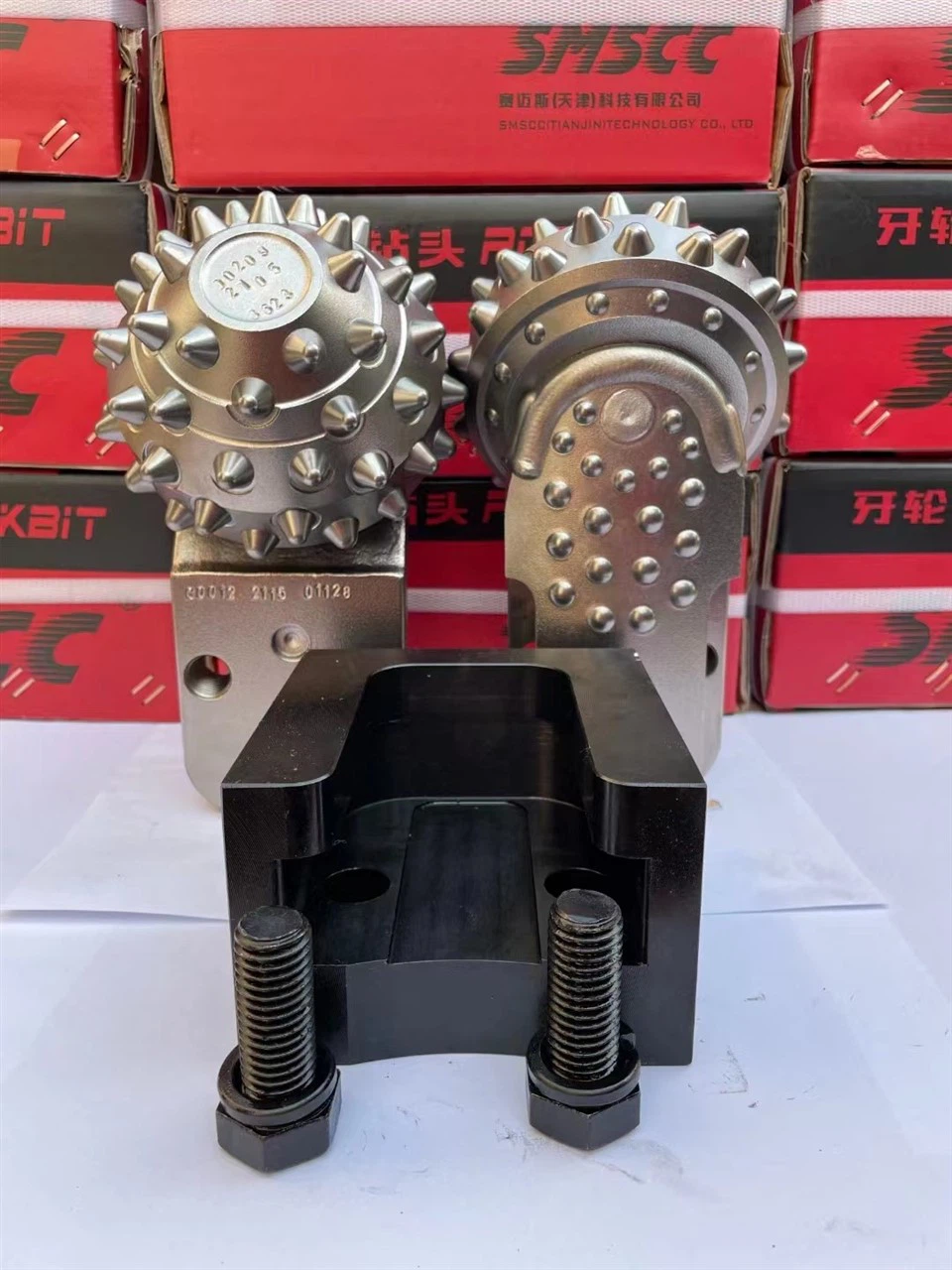
For example, when drilling with a Core Barrel Roller Bit with a large diameter, the cutting teeth have to cover a larger surface area, leading to increased friction and resistance. As a result, the drill rig has to apply more force to maintain the desired penetration rate. On the other hand, smaller bit diameters, such as those used in precision drilling applications, can achieve higher penetration rates due to the reduced amount of rock material to be removed.
However, it's important to note that the relationship between bit diameter and penetration rate is not always linear. Other factors, such as the type of rock formation, the drill rig's power, and the bit's design, can also influence the penetration rate. In some cases, a larger bit diameter may be more suitable for certain rock formations, as it can provide better stability and prevent the bit from getting stuck.
Hole Quality
Another crucial aspect affected by bit diameter is the quality of the drilled hole. The diameter of the bit determines the size of the hole, and it also plays a role in the hole's straightness, smoothness, and overall integrity. Larger bit diameters tend to produce larger holes, which may be necessary for certain applications, such as well drilling or tunneling.
When using a large-diameter bit, it's essential to ensure that the drill rig is properly aligned and stabilized to prevent the hole from deviating. Deviations in the hole can lead to problems such as poor casing installation, reduced well productivity, and increased drilling costs. Additionally, larger bits may cause more damage to the surrounding rock formation, resulting in a rougher hole wall and potential instability.
On the other hand, smaller bit diameters can produce more precise and accurate holes. They are often used in applications where tight tolerances are required, such as in the mining industry for exploration drilling or in the construction industry for foundation drilling. Smaller bits can also minimize the damage to the surrounding rock, resulting in a smoother hole wall and better overall hole quality.
Bit Wear and Lifespan
Bit diameter also has a significant impact on bit wear and lifespan. Larger bit diameters are generally more prone to wear and tear compared to smaller bit diameters. This is because larger bits are subjected to higher forces and stresses during the drilling process, which can cause the cutting teeth to wear down more quickly.
When using a large-diameter 200MPA Roller Bit, the cutting teeth have to withstand greater pressure and friction, leading to increased wear. Additionally, larger bits may be more susceptible to damage from impact and vibration, which can further reduce their lifespan. As a result, operators may need to replace large-diameter bits more frequently, increasing the overall drilling costs.
In contrast, smaller bit diameters are less prone to wear and can have a longer lifespan. They are often used in applications where durability and reliability are essential, such as in continuous mining operations. Smaller bits can also be more cost-effective in the long run, as they require less frequent replacement.
Drilling Efficiency and Productivity
The bit diameter also affects the overall drilling efficiency and productivity. Larger bit diameters may require more powerful drill rigs and more energy to operate, which can increase the drilling costs. Additionally, larger bits may take longer to change and maintain, reducing the overall drilling time and productivity.
On the other hand, smaller bit diameters can be more efficient and productive in certain applications. They can be used with smaller, more portable drill rigs, which are often more cost-effective and easier to operate. Smaller bits can also be changed and maintained more quickly, minimizing the downtime and increasing the overall drilling productivity.

However, it's important to note that the choice of bit diameter should be based on the specific drilling application and requirements. In some cases, a larger bit diameter may be necessary to achieve the desired results, even if it means sacrificing some efficiency and productivity.
Considerations for Different Drilling Applications
The impact of bit diameter on the drilling process can vary depending on the specific drilling application. Here are some considerations for different types of drilling applications:
- Mining Drilling: In mining drilling, the choice of bit diameter depends on the type of ore deposit, the mining method, and the desired hole size. For open-pit mining, larger bit diameters may be used to drill blast holes for rock fragmentation. In underground mining, smaller bit diameters may be preferred for exploration drilling or for drilling support holes.
- Oil and Gas Drilling: In oil and gas drilling, the bit diameter is a critical factor in determining the well's productivity and efficiency. Larger bit diameters are often used for drilling the initial wellbore, while smaller bit diameters may be used for casing installation and completion operations.
- Geothermal Drilling: In geothermal drilling, the bit diameter is chosen based on the depth, temperature, and pressure of the geothermal reservoir. Larger bit diameters may be required to drill through hard rock formations, while smaller bit diameters may be used for well completion and production.
- Construction Drilling: In construction drilling, the bit diameter depends on the type of structure being built and the foundation requirements. Smaller bit diameters may be used for soil investigation and testing, while larger bit diameters may be used for foundation drilling and pile installation.
Conclusion
In conclusion, the bit diameter is a crucial factor that significantly affects the drilling process. It influences the penetration rate, hole quality, bit wear and lifespan, and overall drilling efficiency and productivity. As a rock drilling bit supplier, I understand the importance of choosing the right bit diameter for each specific drilling application.
When selecting a bit diameter, it's essential to consider factors such as the type of rock formation, the drill rig's power, the desired hole size and quality, and the overall drilling budget. By choosing the appropriate bit diameter, operators can optimize the drilling process, reduce costs, and achieve better results.
If you're in the market for high-quality rock drilling bits, I encourage you to [contact us](insert contact information here) to discuss your specific requirements. Our team of experts can help you choose the right bit diameter and design for your drilling application, ensuring maximum efficiency and productivity.
References
- [Author, A. (Year). Title of the Book. Publisher.]
- [Author, B. (Year). Title of the Article. Journal Name, Volume(Issue), Page numbers.]
- [Organization. (Year). Title of the Report. Retrieved from URL]