


Hey there! As a casing joint supplier, I often get asked this question: "How long does it take to install a casing joint?" Well, the answer isn't as straightforward as you might think. There are a bunch of factors that can affect the installation time, and I'm gonna break them down for you.
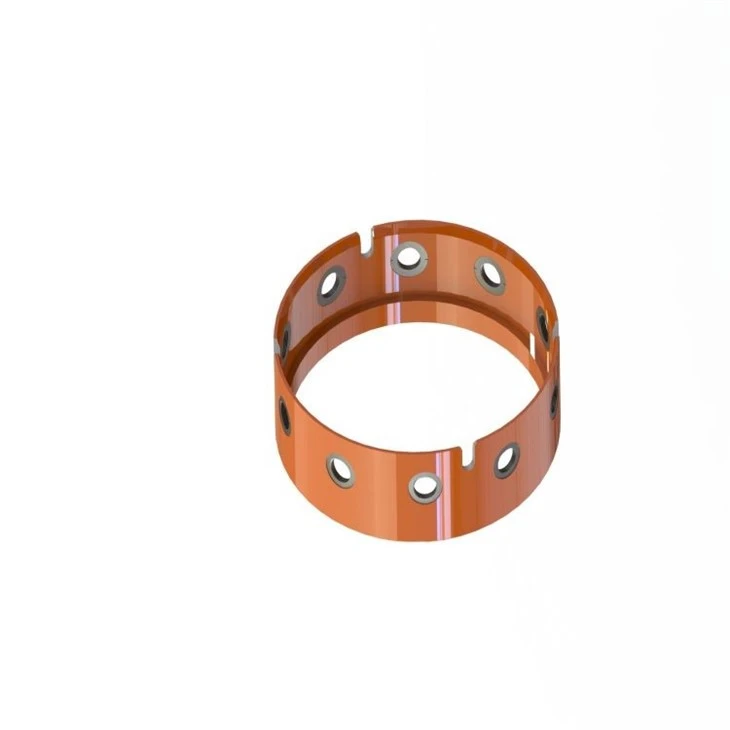
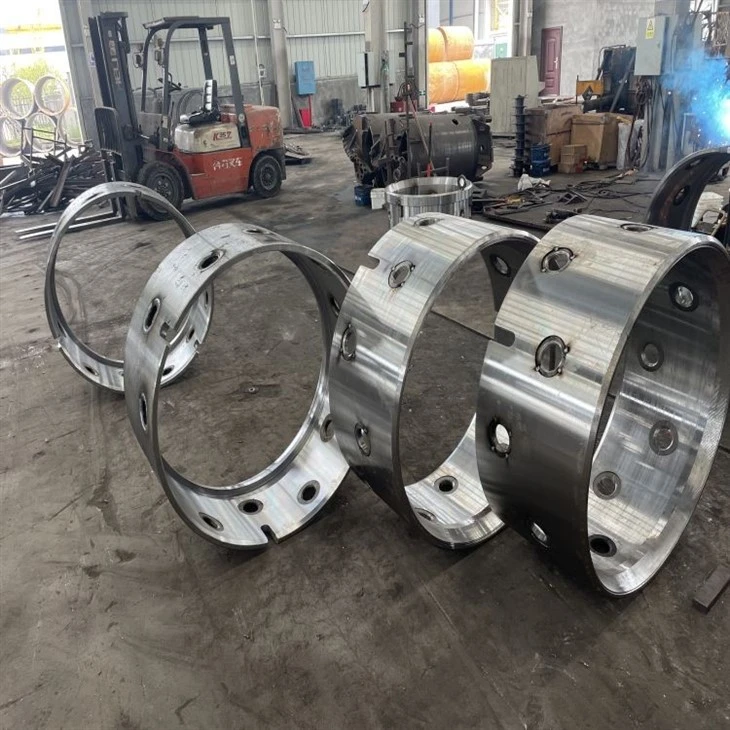
First off, let's talk about the type of casing joint. There are different kinds out there, like the 25crmo Casing Joint, the Bauer Casing Joint, and the Forging Casing Joint. Each type has its own installation requirements, which can impact the time it takes to get the job done.
For instance, a simple casing joint that's designed for easy installation might only take a few hours. These joints are usually pre - fabricated to fit together smoothly, and with a skilled crew, the installation can be pretty quick. They often come with clear instructions and standardized parts, so there's less room for error.
On the other hand, more complex casing joints, like those used in deep - sea drilling or high - pressure environments, can take days or even weeks to install. These joints need to be precisely aligned and welded, and they often require special equipment and techniques. The installation process might involve multiple inspections and tests to ensure that the joint can withstand the extreme conditions it will be exposed to.
Another major factor is the location of the installation. If it's in a remote area, getting the necessary equipment and materials to the site can take a long time. There might be logistical challenges like difficult terrain, bad weather, or limited access to transportation. This can add a significant amount of time to the overall installation process.
The skill level of the installation crew also plays a huge role. A well - trained and experienced crew can work more efficiently and make fewer mistakes. They know how to handle different types of casing joints and can troubleshoot any problems that come up during the installation. In contrast, an inexperienced crew might take longer to complete the job and could potentially make errors that require rework.
Let's take a closer look at the installation process itself. The first step is usually site preparation. This includes clearing the area, setting up the necessary equipment, and making sure that the foundation is stable. Depending on the site conditions, this step can take anywhere from a few hours to a few days.
Next, the casing joint needs to be transported to the site and positioned correctly. This might involve using cranes or other heavy machinery. If the joint is large or heavy, this can be a time - consuming process, especially if there are obstacles or tight spaces at the installation site.
Once the joint is in place, the actual installation begins. This can involve welding, bolting, or using other fastening methods. Welding, for example, requires careful preparation and precise execution. The welder needs to ensure that the weld is strong and free of defects. This can take several hours, depending on the size and complexity of the joint.
After the joint is installed, it needs to be inspected to make sure it meets the required standards. This can involve non - destructive testing methods like ultrasonic testing or X - ray inspection. If any issues are found, the joint might need to be repaired or reinstalled, which can add more time to the process.
In some cases, the installation of a casing joint might also be affected by regulatory requirements. There could be permits that need to be obtained, or safety inspections that need to be carried out. These administrative tasks can sometimes cause delays, especially if there are backlogs or strict regulations in place.
To give you a rough estimate, for a standard casing joint installation in a relatively accessible location with a skilled crew, you're looking at anywhere from 8 to 24 hours. But for more complex installations in challenging environments, it could take a week or more.
So, if you're thinking about purchasing a casing joint, it's important to factor in the installation time when planning your project. Make sure you have a clear understanding of the type of joint you need, the installation requirements, and the potential challenges that might arise.
If you're interested in our casing joints and want to discuss the installation process further, or if you have any questions about our products, don't hesitate to reach out. We're here to help you make the best decision for your project and ensure a smooth installation process.
References
- Industry standards and guidelines for casing joint installation
- Experience and case studies from past casing joint installations