

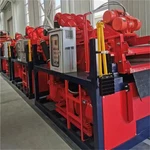

As a supplier of Slurry Desanders, I often receive inquiries from customers about the maintenance frequency of these essential pieces of equipment. Proper maintenance is crucial for ensuring the optimal performance and longevity of a slurry desander. In this blog, I'll delve into the factors that influence the maintenance schedule and provide some general guidelines on how often a slurry desander should be maintained.
Understanding the Role of a Slurry Desander
Before discussing maintenance frequency, it's important to understand what a slurry desander does. A Slurry Desander is a vital component in many industrial processes, especially in the oil and gas, mining, and construction industries. Its primary function is to separate sand and other solid particles from a slurry mixture. By removing these solids, the desander helps protect downstream equipment from abrasion and damage, improves the efficiency of the overall process, and ensures the quality of the final product.
Factors Influencing Maintenance Frequency
The maintenance frequency of a slurry desander can vary significantly depending on several factors. Here are some of the key factors to consider:
Operating Conditions
The environment in which the slurry desander operates plays a major role in determining how often it needs maintenance. For instance, if the desander is used in a harsh environment with high levels of dust, dirt, or corrosive substances, it will likely require more frequent maintenance. Similarly, if the desander is exposed to extreme temperatures or humidity, this can also accelerate wear and tear on the equipment.
Slurry Characteristics
The properties of the slurry being processed can also impact maintenance requirements. Slurries with high solid content, large particle sizes, or abrasive materials will put more stress on the desander's components, leading to faster wear. Additionally, if the slurry contains chemicals or other corrosive substances, this can cause damage to the desander's internal surfaces and seals.


Equipment Usage
The frequency and intensity of use are important factors as well. A slurry desander that operates continuously at full capacity will generally need more maintenance than one that is used intermittently or at lower loads. Over time, continuous operation can cause components to wear out more quickly, leading to potential breakdowns if not properly maintained.
Manufacturer's Recommendations
Every slurry desander comes with a set of maintenance guidelines provided by the manufacturer. These recommendations are based on extensive testing and research and should be followed closely to ensure the proper functioning of the equipment. The manufacturer's guidelines typically include information on the recommended maintenance intervals, the types of maintenance tasks to be performed, and the specific parts that need to be inspected or replaced.
General Maintenance Guidelines
Based on the factors mentioned above, here are some general guidelines on how often a slurry desander should be maintained:
Daily Maintenance
- Visual Inspection: Conduct a visual inspection of the desander before each use. Check for any signs of leaks, damage, or abnormal wear on the external components, such as the housing, pipes, and valves.
- Lubrication: If applicable, check the lubrication levels of the moving parts and add lubricant as needed. Proper lubrication helps reduce friction and wear, extending the life of the components.
- Cleaning: Remove any debris or buildup from the desander's inlet and outlet ports to ensure proper flow of the slurry.
Weekly Maintenance
- Internal Inspection: Perform an internal inspection of the desander to check for any signs of wear or damage on the internal components, such as the cyclones, impellers, and liners. Look for signs of erosion, corrosion, or clogging.
- Seal Inspection: Check the seals and gaskets for any signs of leakage or damage. Replace any worn or damaged seals to prevent slurry leakage.
- Control System Check: Verify the operation of the desander's control system, including the sensors, switches, and valves. Ensure that the system is functioning properly and that all settings are correct.
Monthly Maintenance
- Component Replacement: Depending on the usage and operating conditions, some components may need to be replaced on a monthly basis. This may include wearing parts such as the cyclone liners, impeller vanes, or valve seats.
- Calibration: Calibrate the desander's sensors and control system to ensure accurate measurement and operation.
- System Performance Evaluation: Evaluate the overall performance of the desander by monitoring key parameters such as flow rate, pressure, and separation efficiency. Compare the actual performance with the design specifications to identify any potential issues.
Quarterly and Annual Maintenance
- Comprehensive Inspection: Conduct a more thorough inspection of the desander every quarter or annually, depending on the manufacturer's recommendations. This may involve disassembling the desander to inspect all internal components in detail.
- Maintenance of Auxiliary Equipment: Inspect and maintain any auxiliary equipment associated with the desander, such as pumps, motors, and filters. Ensure that these components are in good working condition and that they are properly aligned and connected.
- Documentation and Record-Keeping: Keep detailed records of all maintenance activities, including the date, type of maintenance performed, parts replaced, and any observations or issues noted. This documentation can be useful for tracking the performance of the desander over time and for planning future maintenance.
Importance of Regular Maintenance
Regular maintenance of a slurry desander offers several benefits:
Extended Equipment Life
By performing regular maintenance tasks, you can prevent premature wear and tear on the desander's components, extending its overall lifespan. This can save you money in the long run by reducing the need for frequent equipment replacements.
Improved Performance
Proper maintenance ensures that the desander operates at its optimal performance level. This means better separation efficiency, higher flow rates, and more consistent product quality. Improved performance can also lead to increased productivity and reduced operating costs.
Reduced Downtime
Regular maintenance helps identify and address potential issues before they turn into major problems. By preventing breakdowns and unplanned downtime, you can keep your operations running smoothly and avoid costly production delays.
Safety
A well-maintained slurry desander is safer to operate. By ensuring that all components are in good working condition and that there are no leaks or other safety hazards, you can protect your employees and comply with safety regulations.
Conclusion
In conclusion, the maintenance frequency of a slurry desander depends on several factors, including operating conditions, slurry characteristics, equipment usage, and manufacturer's recommendations. By following the general maintenance guidelines outlined in this blog and adapting them to your specific circumstances, you can ensure the optimal performance and longevity of your slurry desander.
If you're in the market for a high-quality Mud Desander or have any questions about maintenance or operation, I encourage you to reach out to us. Our team of experts is here to provide you with the best solutions and support for your slurry separation needs. Let's start a conversation and explore how we can help you achieve your goals.
References
- Manufacturer's manuals and technical documentation for slurry desanders.
- Industry standards and best practices for slurry separation equipment maintenance.