


Hey there! As a tremie pipe supplier, I've seen firsthand how crucial it is to ensure the tightness of these pipes. Whether you're working on a large - scale construction project or a small - scale DIY job, a leaky tremie pipe can spell disaster. So, in this blog, I'm gonna share some tips on how to check the tightness of a tremie pipe.
Why is Checking Tightness Important?
Before we jump into the how - to, let's talk about why it's so important to check the tightness of your tremie pipe. Tremie pipes are used to pour concrete underwater, like in the construction of bridge piers, dams, and other marine structures. If the pipe isn't tight, water can seep in, diluting the concrete and weakening the structure. This can lead to costly repairs and even safety hazards. So, making sure your tremie pipe is tight is a must - do.
Visual Inspection
The first step in checking the tightness of a tremie pipe is a good old - fashioned visual inspection. Start by looking at the entire length of the pipe. Check for any visible cracks, holes, or signs of damage. Pay special attention to the joints between the pipe sections. These are the areas where leaks are most likely to occur.
If you notice any cracks or holes, they need to be repaired before using the pipe. Small cracks can sometimes be fixed with a suitable pipe repair compound. For larger cracks or holes, you might need to replace the damaged section.
Another thing to look for is the condition of the gaskets at the joints. Gaskets are used to create a seal between the pipe sections. Over time, they can wear out or get damaged. If the gaskets look worn, brittle, or have any visible cuts, it's time to replace them. A worn - out gasket is a major cause of leaks in tremie pipes.
Pressure Testing
After the visual inspection, it's time for a pressure test. This is a more accurate way to check for leaks. To perform a pressure test, you'll need a pressure gauge and a way to seal the ends of the pipe.
First, seal one end of the tremie pipe tightly. You can use a cap or a plug designed for this purpose. Then, attach the pressure gauge to the other end of the pipe. Make sure the connection is secure.
Next, start filling the pipe with water. As you fill the pipe, keep an eye on the pressure gauge. The pressure should start to rise. Once the pipe is full, stop filling and let the pressure stabilize for a few minutes.
Now, watch the pressure gauge for any drop in pressure. If the pressure drops, it's a sign that there's a leak somewhere in the pipe. You'll need to carefully inspect the pipe again to find the source of the leak. It could be a joint, a crack, or a damaged gasket.
If the pressure holds steady, it's a good indication that the pipe is tight. However, it's still a good idea to double - check by looking for any signs of water seepage around the joints and along the length of the pipe.
Using a Dye Test
A dye test is another useful method to check for leaks in a tremie pipe. This method is especially helpful for finding small leaks that might not be detected by a pressure test.
To perform a dye test, you'll need a water - soluble dye. You can usually find these dyes at hardware stores or from suppliers that deal with plumbing and pipe testing equipment.

First, fill the tremie pipe with water as you would for a pressure test. Then, add a small amount of the dye to the water. Stir the water gently to make sure the dye is evenly distributed.
Let the pipe sit for a while, usually about 15 - 30 minutes. During this time, the dye will seep out through any leaks in the pipe. Look for any signs of the colored dye outside the pipe. Pay close attention to the joints and areas where you suspect there might be a leak.
If you see any traces of the dye, you've found a leak. Mark the area and repair it before using the pipe.
Checking the Accessories
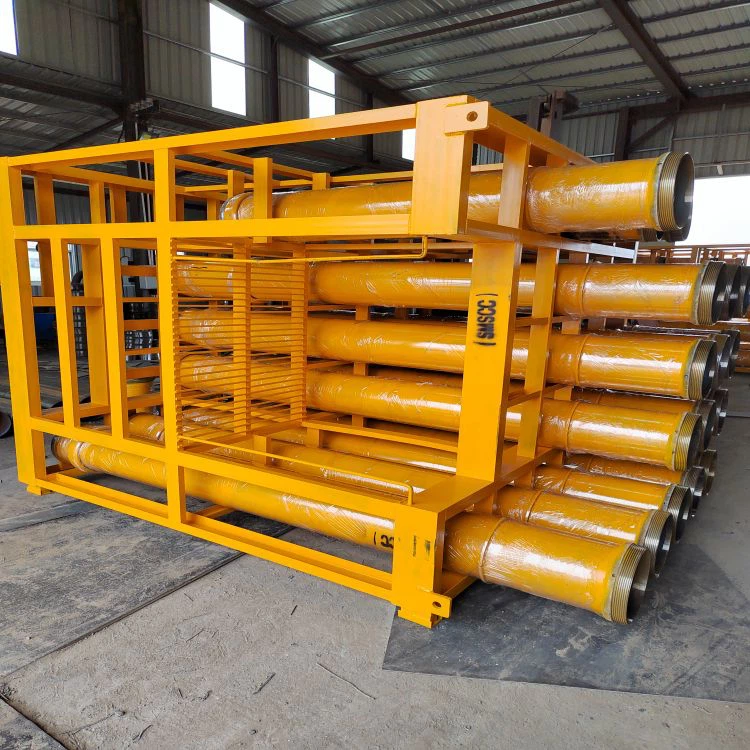
When checking the tightness of a tremie pipe, don't forget to check the accessories that go with it. Accessories like the Tremie Rack, Wire Cable Tremie Pipe, and Tremie Hopper are all important parts of the system.
The tremie rack is used to support the tremie pipe. Make sure it's in good condition and that the connections to the pipe are secure. A loose or damaged tremie rack can cause the pipe to move around, which can lead to leaks at the joints.
The wire cable tremie pipe is often used in situations where a flexible connection is needed. Check the cable for any signs of wear or damage. Also, make sure the connections between the cable and the pipe are tight.
The tremie hopper is where the concrete is poured into the pipe. Check the hopper for any cracks or holes. Make sure the connection between the hopper and the pipe is sealed properly. A leaky hopper can cause concrete to spill out, which is not only a waste but can also be a safety hazard.
Regular Maintenance
Checking the tightness of a tremie pipe isn't a one - time thing. Regular maintenance is key to keeping your pipes in good condition. After each use, clean the pipe thoroughly to remove any concrete residue. Concrete can build up inside the pipe and cause blockages, which can also lead to leaks.
Store the pipe in a dry, protected area when it's not in use. Exposure to the elements can cause the pipe to rust and deteriorate over time. If possible, cover the pipe to protect it from dust, dirt, and moisture.
Inspect the pipe regularly, even if it's not being used. Look for any signs of corrosion, wear, or damage. By catching problems early, you can avoid costly repairs and ensure that your tremie pipe is always ready for use.
Conclusion
Checking the tightness of a tremie pipe is an important part of any construction project that involves underwater concrete pouring. By following these steps - visual inspection, pressure testing, dye testing, and regular maintenance - you can ensure that your tremie pipe is leak - free and in good working condition.
If you're in the market for high - quality tremie pipes or need more advice on how to maintain them, don't hesitate to reach out. We're here to help you with all your tremie pipe needs. Whether you're a professional contractor or a DIY enthusiast, we've got the products and expertise to make your project a success. Contact us to start a conversation about your requirements and let's work together to find the best solutions for you.
References
- Construction Materials Handbook: Covers general information on pipes, gaskets, and repair compounds.
- Underwater Construction Manual: Offers in - depth knowledge on tremie pipe systems and their maintenance.