


Hey there! As a soil drilling bit supplier, I've seen my fair share of high - quality and low - quality bits out there. In the world of soil drilling, choosing the right bit can make all the difference. You don't want to end up with a bit that breaks down halfway through a project or doesn't perform as expected. So, let's talk about how you can distinguish a high - quality soil drilling bit from a low - quality one.
Material Quality
One of the first things to look at is the material the bit is made of. High - quality soil drilling bits are typically made from premium materials. For example, tungsten carbide is a popular choice. It's extremely hard and wear - resistant, which means it can withstand the tough conditions of soil drilling. When you're checking a bit, see if it's made from a well - known and reliable material like this.
On the other hand, low - quality bits might be made from cheaper metals or alloys. These materials are more likely to chip, break, or wear out quickly. You might notice that after just a few uses, the cutting edges of a low - quality bit start to dull, and it becomes less effective at drilling through the soil.
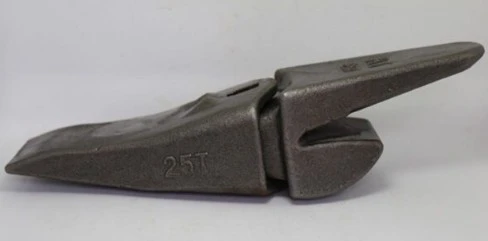
As a supplier, I always make sure that the bits I offer are made from top - notch materials. Take our 25T Soil Drilling Teeth for example. They're crafted with high - grade tungsten carbide, ensuring long - lasting performance in even the toughest soil conditions.
Design and Construction
The design of a soil drilling bit is crucial. A high - quality bit will have a well - thought - out design that maximizes its drilling efficiency. It'll have the right shape and angle for cutting through soil. For instance, the cutting edges might be sharp and precisely angled to reduce resistance and make the drilling process smoother.
The construction of the bit also matters. High - quality bits are usually well - built, with tight tolerances and a solid structure. The connection between different parts of the bit, like the teeth and the body, will be strong and secure. This means that the bit is less likely to come apart during use.
In contrast, low - quality bits often have poor designs. The cutting edges might be too blunt or the angles might be off, making it harder to drill. The construction can also be shoddy, with loose parts that can come off easily. You don't want to be in the middle of a job and have a bit fall apart on you!
Our Flat Soil Drilling Teeth are a great example of well - designed and well - constructed bits. They're engineered to provide optimal performance, with sharp edges and a sturdy build.
Performance and Durability
When it comes to soil drilling bits, performance and durability are key. A high - quality bit will perform consistently well over time. It'll drill through different types of soil, whether it's soft, sandy soil or hard, compacted clay, with ease. You'll notice that it takes less effort to operate and that it gets the job done faster.
Durability is also important. A good bit should last for a long time, even with regular use. It should be able to withstand the wear and tear of drilling without losing its effectiveness. High - quality bits are often heat - treated and coated to enhance their durability.
Low - quality bits, however, tend to have inconsistent performance. They might work okay at first, but as they start to wear out, their performance will decline rapidly. They're also more likely to break or malfunction, which can cause delays and extra costs in your project.
Price and Value
Now, price can be a tricky factor. You might think that a high - price tag always means a high - quality product, but that's not always the case. However, in general, high - quality soil drilling bits do tend to be more expensive. This is because of the better materials, design, and construction that go into making them.
But it's important to look at the value, not just the price. A high - quality bit might cost more upfront, but it'll save you money in the long run. You won't have to replace it as often, and it'll perform better, which can increase your productivity.
On the other hand, low - quality bits are usually cheaper, but they're a false economy. You'll end up spending more on replacements and dealing with the hassle of poor performance.
As a supplier, I understand that price is a concern for many customers. That's why I try to offer a range of options that provide good value for money. We have high - quality bits at competitive prices, so you don't have to break the bank to get a reliable product.
Brand Reputation
Another way to distinguish between high - quality and low - quality bits is to look at the brand reputation. Well - established brands with a good track record are more likely to produce high - quality products. They've spent years building their reputation and are committed to providing reliable and durable bits.
You can do some research online to see what other customers are saying about a particular brand. Look for reviews and testimonials. If a brand has a lot of positive feedback, it's a good sign that their bits are of high quality.
On the flip side, brands with a lot of negative reviews or a bad reputation are likely to sell low - quality bits. You don't want to take a chance on a brand that has a history of producing subpar products.
Testing and Certification
High - quality soil drilling bits often undergo rigorous testing to ensure they meet certain standards. They might be tested for hardness, wear resistance, and performance under different conditions. Look for bits that come with some form of certification, which shows that they've passed these tests.
Certification can give you peace of mind that you're getting a reliable product. It's a sign that the manufacturer is committed to quality and is willing to back up their claims with independent verification.
Low - quality bits, on the other hand, might not have any testing or certification. This means you have no way of knowing if they'll actually perform as expected.

After - Sales Service
A good supplier will offer excellent after - sales service. If you have any questions or issues with the bit, they should be able to help you out quickly. This could include providing technical support, offering replacements if there's a defect, or giving advice on how to use and maintain the bit.
High - quality bit suppliers understand the importance of keeping their customers happy. They want you to have a positive experience with their products and will go the extra mile to ensure that.
In contrast, low - quality bit suppliers might not offer much in terms of after - sales service. You could be left on your own if you run into problems with the bit.
Conclusion
So, there you have it! These are some of the key ways to distinguish a high - quality soil drilling bit from a low - quality one. By looking at the material quality, design and construction, performance and durability, price and value, brand reputation, testing and certification, and after - sales service, you can make an informed decision when choosing a bit for your soil drilling needs.
As a soil drilling bit supplier, I'm dedicated to providing high - quality products that meet the needs of my customers. If you're in the market for a reliable soil drilling bit, I'd love to have a chat with you. Whether you're working on a small DIY project or a large - scale construction job, I can help you find the right bit for the task.
Don't hesitate to get in touch if you have any questions or if you're ready to start a purchase. I'm here to make sure you get the best soil drilling bit for your money.
References
- Engineering textbooks on material science and tool design
- Industry reports on soil drilling equipment performance
- Customer feedback and reviews on soil drilling bits