


Hey there, fellow drilling enthusiasts! As a soil drilling bit supplier, I've seen firsthand the challenges that come with inclined drilling. One of the most critical aspects of this process is ensuring the stability of the soil drilling bit. In this blog post, I'm going to share some tips and tricks on how to keep your drilling bit steady and efficient during inclined drilling.
Understanding the Challenges of Inclined Drilling
Before we dive into the solutions, let's first understand the unique challenges that inclined drilling presents. When you're drilling at an angle, the forces acting on the drill bit are different compared to vertical drilling. The bit is more likely to experience lateral forces, which can cause it to deviate from the desired path, leading to inaccurate drilling and potentially damaging the bit.
Another challenge is the uneven distribution of weight and pressure on the bit. As the drill string is at an angle, the weight may not be evenly distributed across the bit, which can affect its cutting performance and stability.
Choosing the Right Soil Drilling Bit
The first step in ensuring the stability of your drilling bit during inclined drilling is to choose the right one for the job. Different types of soil drilling bits are designed for different applications and soil conditions.
For inclined drilling, you'll want to look for a bit that provides good lateral stability. Some of the bits that work well in inclined drilling include:
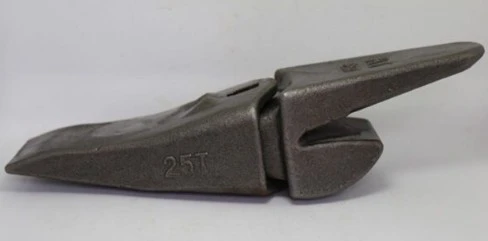
- 25T Soil Drilling Teeth: These teeth are designed to offer high - penetration rates and excellent stability. They are made from high - quality materials that can withstand the lateral forces present in inclined drilling.
- Flat Soil Drilling Teeth: Flat teeth provide a large contact area with the soil, which helps to distribute the forces evenly and reduce the chances of the bit deviating.
When selecting a bit, also consider the soil type. If you're dealing with hard - packed soil, you'll need a bit with a more aggressive cutting edge. In soft soil, a less aggressive bit may be sufficient.
Proper Bit Installation
Once you've chosen the right bit, proper installation is crucial for its stability during inclined drilling. Make sure the bit is securely attached to the drill string. A loose connection can cause the bit to wobble, leading to instability and poor drilling performance.
Check the alignment of the bit with the drill string. Any misalignment can result in uneven forces acting on the bit, increasing the risk of deviation. Use the appropriate tools to ensure a precise and firm installation.
Controlling the Drill String
The drill string plays a vital role in maintaining the stability of the soil drilling bit. In inclined drilling, you need to pay extra attention to the tension and alignment of the drill string.
Maintain a constant and appropriate level of tension on the drill string. Too much tension can cause excessive stress on the bit and the drill string, while too little tension can lead to the bit bouncing and losing stability. Use the drill rig's controls to adjust the tension as needed during the drilling process.
Also, ensure that the drill string is properly aligned with the drilling path. This can be achieved by using guiding devices or making frequent checks and adjustments during drilling.
Adjusting the Drilling Parameters
During inclined drilling, the drilling parameters such as rotation speed, feed rate, and thrust force need to be carefully adjusted to ensure bit stability.
The rotation speed of the bit affects its cutting efficiency and stability. A higher rotation speed can increase the cutting rate, but it can also cause the bit to vibrate more, especially in inclined drilling. Find the optimal rotation speed that balances cutting performance and stability. This may require some trial and error based on the soil conditions and the type of bit you're using.
The feed rate, which is the speed at which the drill bit is advanced into the soil, also needs to be controlled. A too - fast feed rate can cause the bit to become overloaded and reduce stability, while a too - slow feed rate can result in inefficient drilling. Adjust the feed rate according to the soil type and the bit's performance.
The thrust force applied to the bit should be sufficient to penetrate the soil but not excessive. Excessive thrust force can cause the bit to dig in too deeply and lose stability, especially in inclined drilling.
Monitoring the Drilling Process
Continuous monitoring of the drilling process is essential for ensuring the stability of the soil drilling bit. Use monitoring equipment to keep track of parameters such as torque, vibration, and the bit's position.
If you notice any abnormal changes in torque or vibration, it could be a sign of bit instability or a problem with the drilling process. For example, an increase in torque may indicate that the bit is getting stuck or that the forces acting on it are uneven. When such issues are detected, stop the drilling operation immediately and make the necessary adjustments.
Regularly check the bit's wear and damage. A worn - out or damaged bit is more likely to become unstable during drilling. Replace the bit as soon as it shows significant signs of wear.
Using Stabilizers
Stabilizers are devices that can be added to the drill string to improve the stability of the soil drilling bit during inclined drilling. They work by providing additional support and reducing the lateral movement of the drill string.
There are different types of stabilizers available, such as blade stabilizers and roller stabilizers. Blade stabilizers have fixed blades that contact the borehole wall, while roller stabilizers use rollers to reduce friction and provide support.
When using stabilizers, make sure they are properly installed and sized for your drill string. The position of the stabilizers on the drill string also matters. They should be placed at strategic points to maximize their effectiveness in stabilizing the bit.

Training and Skill of the Driller
Last but not least, the training and skill of the driller play a significant role in ensuring the stability of the soil drilling bit during inclined drilling. An experienced driller knows how to adjust the drilling parameters, monitor the process, and handle any issues that may arise.
Provide comprehensive training to your drillers on inclined drilling techniques and bit stability. This should include theoretical knowledge as well as practical hands - on experience. Encourage drillers to share their experiences and learn from each other.
In Conclusion
Ensuring the stability of a soil drilling bit during inclined drilling is a multi - faceted challenge that requires careful consideration of various factors, from bit selection to driller training. By following the tips and techniques outlined in this blog post, you can significantly improve the stability of your drilling bit, leading to more accurate and efficient drilling operations.
If you're in the market for high - quality soil drilling bits or need more advice on inclined drilling, don't hesitate to get in touch with us. We're here to help you find the best solutions for your drilling needs and ensure your operations run smoothly.
References
- Lewis, R. T. (2019). Drilling Engineering Handbook. Gulf Professional Publishing.
- Bourgoyne, A. T., Kennedy, K. B., Millheim, K. K., & Chenevert, M. E. (1986). Applied Drilling Engineering. Society of Petroleum Engineers.