

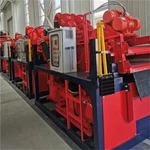

Hey there! As a supplier of Slurry Desanders, I've seen firsthand how crucial it is to monitor the operation status of these machines. In this blog, I'm gonna share some practical tips on how to do just that.
Why Monitoring Matters
First off, let's talk about why monitoring the operation status of a slurry desander is so important. A slurry desander, like the ones you can check out at Slurry Desander, is used to separate sand and other solid particles from drilling mud or other slurries. If it's not working properly, it can lead to a whole bunch of problems.
For example, if the desander isn't separating the solids effectively, it can cause wear and tear on downstream equipment. This can increase maintenance costs and downtime, which is a big no - no for any operation. Also, if the desander is over - or under - performing, it might not be using energy efficiently, which can drive up your operating costs.
Visual Inspection
One of the simplest ways to monitor a slurry desander is through visual inspection. Start by taking a look at the overall condition of the machine. Check for any signs of leaks around the joints, pipes, or the desander body itself. Leaks can not only waste valuable slurry but also indicate that there might be a problem with the seals or gaskets.
Next, look at the feed and discharge pipes. Make sure there are no blockages or signs of excessive wear. If the pipes are clogged, it can disrupt the flow of the slurry through the desander, reducing its efficiency. You can also check the color and consistency of the slurry at the inlet and outlet. A significant change in color or consistency might suggest that the desander isn't working as it should.
Pressure Monitoring
Pressure is a key indicator of how well a slurry desander is operating. You should install pressure gauges at the inlet and outlet of the desander. The pressure at the inlet should be within the recommended range specified by the manufacturer. If the inlet pressure is too low, it might mean that there's a problem with the pump or the feed line. On the other hand, if the inlet pressure is too high, it could put excessive stress on the desander and cause damage.
The pressure difference between the inlet and outlet is also important. A large pressure drop across the desander can indicate that there's a blockage inside the machine, such as in the hydrocyclones. You can use this pressure difference data to detect early signs of problems and take corrective action before it leads to a major breakdown.
Flow Rate Monitoring
Monitoring the flow rate of the slurry is another essential aspect. You can use flow meters to measure the volume of slurry entering and leaving the desander. The flow rate at the inlet should be consistent and within the design capacity of the desander. If the flow rate is too low, it might not be enough to keep the solids in suspension and allow for proper separation. If the flow rate is too high, it can cause the desander to overflow or reduce the separation efficiency.
By comparing the inlet and outlet flow rates, you can also check for any losses. A significant difference in the flow rates might indicate a leak or a problem with the discharge system.
Solids Concentration Monitoring
The concentration of solids in the slurry before and after passing through the desander is a critical parameter. You can use various methods to measure the solids concentration, such as gravimetric analysis or using a solids - concentration meter.
At the inlet, the solids concentration will depend on the nature of the slurry source. After passing through the desander, the solids concentration in the underflow (the stream with the separated solids) should be higher, while the solids concentration in the overflow (the cleaned slurry) should be lower. If the solids concentration in the overflow is too high, it means that the desander isn't separating the solids effectively.
Vibration Monitoring
Vibration can be a sign of mechanical problems in the slurry desander. Excessive vibration can be caused by unbalanced components, loose parts, or misalignment. You can use vibration sensors to monitor the vibration levels of the desander. Regularly check the vibration data and look for any sudden increases or changes in the vibration pattern.
If you notice abnormal vibration, it's important to stop the machine and inspect it immediately. Ignoring vibration issues can lead to more severe damage, such as bearing failures or cracked components.
Temperature Monitoring
Temperature can also provide valuable information about the operation of the slurry desander. High temperatures can be a sign of friction, which might be caused by worn - out parts or improper lubrication. You can install temperature sensors at critical points, such as the bearings and the motor.
If the temperature exceeds the normal operating range, it's a warning sign that something is wrong. You should take steps to cool down the machine and investigate the cause of the high temperature.
Regular Maintenance and Calibration
In addition to continuous monitoring, regular maintenance and calibration of the monitoring equipment are essential. Make sure to follow the manufacturer's recommended maintenance schedule for the slurry desander. This includes tasks such as lubricating moving parts, replacing worn - out seals and gaskets, and cleaning the hydrocyclones.


Calibrate the pressure gauges, flow meters, solids - concentration meters, and other monitoring devices regularly. This ensures that the data you're getting is accurate and reliable.
Conclusion
Monitoring the operation status of a slurry desander is a multi - faceted process that involves visual inspection, pressure monitoring, flow rate monitoring, solids concentration monitoring, vibration monitoring, and temperature monitoring. By keeping a close eye on these parameters, you can detect problems early, prevent breakdowns, and ensure that your slurry desander is operating at its best.
If you're in the market for a high - quality Mud Desander or Slurry Desander, feel free to reach out to us. We're here to provide you with the best products and support to meet your needs. Whether you have questions about monitoring or need help with installation and maintenance, our team of experts is ready to assist you.
References
- Manufacturer's manuals for slurry desanders
- Industry standards for slurry separation equipment
- Technical papers on slurry desander operation and monitoring