

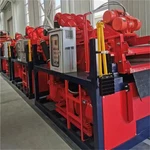

When it comes to construction projects, especially those involving underwater concrete placement, the Tremie Rack is an indispensable tool. As a Tremie Rack supplier, I've witnessed firsthand the numerous challenges that contractors face when using this equipment in confined spaces. In this blog post, I'll share some insights and strategies on how to overcome these challenges effectively.
Understanding the Challenges
Confined spaces present a unique set of difficulties when using a Tremie Rack. First and foremost, limited space restricts the movement of the equipment. The Tremie Rack, which is designed to support and guide the tremie pipe during concrete placement, requires a certain amount of clearance for proper operation. In confined spaces, it can be challenging to maneuver the rack into the desired position, and any misalignment can lead to issues such as uneven concrete distribution or blockages in the tremie pipe.
Another challenge is the access to the equipment for maintenance and inspection. In tight quarters, it can be difficult to reach all parts of the Tremie Rack, making it harder to identify and address potential problems. This can increase the risk of equipment failure during the concrete placement process, which can be costly and time - consuming to rectify.
Visibility is also a major concern in confined spaces. Operators need to have a clear view of the tremie pipe and the concrete flow to ensure that the placement is going smoothly. However, in a confined area, there may be obstructions that block the line of sight, making it difficult to monitor the process effectively.
Strategies for Overcoming Challenges
Precise Planning and Design
Before starting any project that involves using a Tremie Rack in a confined space, thorough planning is essential. This includes detailed measurements of the available space and careful consideration of the layout of the construction site. By having a clear understanding of the space constraints, you can select the appropriate size and type of Tremie Rack. For example, if space is extremely limited, a more compact and modular Tremie Rack design may be necessary.
During the planning phase, it's also important to consider the access points for the Tremie Rack and the tremie pipe. Identify the best routes for moving the equipment in and out of the confined space, and ensure that there are no obstacles that could impede the process. This may involve removing or relocating some existing structures or equipment temporarily.
Optimal Equipment Selection
Choosing the right type of tremie pipe is crucial when working in confined spaces. There are two main types of tremie pipes: Threaded Tremie Pipe and Wire Cable Tremie Pipe. Threaded Tremie Pipes are known for their strong and secure connections, which can be beneficial in ensuring a smooth concrete flow. However, they may require more space for assembly and disassembly. On the other hand, Wire Cable Tremie Pipes are more flexible and can be easier to handle in tight spaces. They can be quickly adjusted and repositioned, which is an advantage when working in confined areas.
In addition to the type of tremie pipe, the diameter of the pipe also needs to be carefully considered. A smaller diameter pipe may be more suitable for confined spaces as it takes up less space and can be more easily maneuvered. However, it's important to ensure that the pipe diameter is still large enough to allow for an adequate flow of concrete.
Enhanced Visibility Solutions
To overcome the visibility challenges in confined spaces, various technologies can be employed. One option is to use cameras and monitors. By installing cameras at strategic locations around the Tremie Rack and the tremie pipe, operators can have a clear view of the concrete placement process from a control room or a remote location. This not only improves visibility but also enhances safety by reducing the need for operators to be in close proximity to the equipment.
Another solution is the use of lighting. Adequate lighting can significantly improve visibility in confined spaces. LED lights can be installed around the Tremie Rack and the work area to illuminate the process and make it easier to detect any potential issues.


Training and Skill Development
Proper training is essential for operators who will be using the Tremie Rack in confined spaces. They need to be familiar with the unique challenges and requirements of working in tight quarters and be trained on how to operate the equipment safely and efficiently. This includes training on equipment setup, alignment, and troubleshooting.
In addition to technical training, operators should also be trained in communication skills. In a confined space, clear communication between the operator, the concrete mixer, and other team members is crucial. Effective communication can help prevent misunderstandings and ensure that the concrete placement process runs smoothly.
Regular Maintenance and Inspection
Even with careful planning and optimal equipment selection, regular maintenance and inspection are still necessary to ensure the reliable operation of the Tremie Rack in confined spaces. Due to the limited access in these areas, it's important to establish a strict maintenance schedule. This may involve using specialized tools and techniques to access hard - to - reach parts of the equipment.
During inspections, pay close attention to the condition of the Tremie Rack, the tremie pipe, and any connections. Look for signs of wear, damage, or corrosion, and address any issues promptly. Regular maintenance can help prevent equipment failures and extend the lifespan of the Tremie Rack.
Conclusion
Using a Tremie Rack in confined spaces presents a number of challenges, but with the right strategies and approaches, these challenges can be overcome. Precise planning, optimal equipment selection, enhanced visibility solutions, proper training, and regular maintenance are all key factors in ensuring the successful use of the Tremie Rack in tight quarters.
If you're facing challenges in using a Tremie Rack in confined spaces or are in need of high - quality Tremie Rack products, I encourage you to reach out to us. As a leading Tremie Rack supplier, we have the expertise and experience to provide you with the best solutions for your construction projects. Whether you need advice on equipment selection or assistance with installation and maintenance, our team is here to help. Contact us today to discuss your requirements and explore how we can work together to achieve your project goals.
References
- Construction Equipment Handbook: This handbook provides comprehensive information on various construction equipment, including Tremie Racks. It offers insights into the design, operation, and maintenance of these tools.
- Journal of Construction Engineering and Management: Articles in this journal often cover practical challenges and solutions in construction projects, including those related to working in confined spaces.
- Industry - specific training materials: These materials are developed by experts in the field and provide in - depth knowledge on operating and maintaining construction equipment in different environments.