

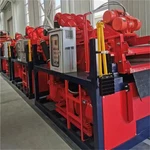

Hey there! As a casing drive supplier, I've seen firsthand the headaches that come with an overheating casing drive. It's not just a minor annoyance; it can lead to costly downtime, reduced efficiency, and even permanent damage to your equipment. So, in this blog, I'm going to share some practical tips on how to prevent a casing drive from overheating.
Understanding the Basics of Casing Drive Overheating
Before we dive into the prevention strategies, let's quickly understand why a casing drive might overheat in the first place. Casing drives are designed to transfer torque from the drill rig to the casing tube, allowing for efficient installation of casings in the ground. During this process, a significant amount of heat is generated due to friction between moving parts, as well as the power consumed by the drive system.
If this heat isn't dissipated properly, it can build up and cause the temperature of the casing drive to rise beyond its safe operating range. This can lead to issues such as lubricant breakdown, premature wear of components, and even mechanical failure.
Tips for Preventing Casing Drive Overheating
1. Regular Maintenance
One of the most important steps in preventing overheating is regular maintenance. This includes checking and changing the lubricant at the recommended intervals. Lubricant plays a crucial role in reducing friction and dissipating heat, so using the right type and keeping it clean is essential. Make sure to follow the manufacturer's guidelines for lubricant selection and change intervals.
Another aspect of maintenance is inspecting the casing drive for any signs of wear or damage. Check the gears, bearings, and seals regularly for excessive wear, cracks, or leaks. Replace any worn or damaged parts immediately to prevent further issues.
2. Proper Ventilation
Proper ventilation is key to keeping the casing drive cool. Make sure that the area around the drive is well-ventilated and free from obstructions. If the drive is installed in an enclosed space, consider installing additional ventilation fans or ducts to improve air circulation.
Additionally, ensure that the cooling fins on the casing drive are clean and free from debris. These fins help to increase the surface area for heat dissipation, so keeping them clean is crucial for efficient cooling.
3. Monitoring Temperature
Monitoring the temperature of the casing drive is an effective way to detect potential overheating issues early. Most modern casing drives are equipped with temperature sensors that can provide real-time temperature readings. Use these sensors to keep an eye on the temperature and set up alerts if the temperature exceeds the safe operating range.
If you don't have a temperature sensor, you can use an infrared thermometer to measure the surface temperature of the drive periodically. This can give you a good indication of whether the drive is running too hot.
4. Correct Installation
Proper installation of the casing drive is essential for its efficient operation and cooling. Make sure that the drive is installed according to the manufacturer's instructions, including the correct alignment and torque settings. Incorrect installation can lead to increased friction and heat generation, so taking the time to install the drive correctly is well worth it.
Also, ensure that the drive is properly supported and secured to prevent excessive vibration. Vibration can cause additional stress on the components and increase heat generation.
5. Load Management
Avoid overloading the casing drive. Operating the drive beyond its recommended load capacity can cause it to overheat quickly. Make sure to check the load rating of the drive and stay within its limits. If you need to drive larger or heavier casings, consider using a more powerful casing drive or a Casing Drive Adapter to distribute the load more evenly.
6. Using High-Quality Components
Investing in high-quality components can make a big difference in preventing overheating. High-quality gears, bearings, and seals are designed to withstand higher temperatures and reduce friction, which can help to keep the drive cool. When replacing parts, always choose genuine or high-quality aftermarket components that are compatible with your casing drive.
The Role of Bauer Casing Drive Adapter
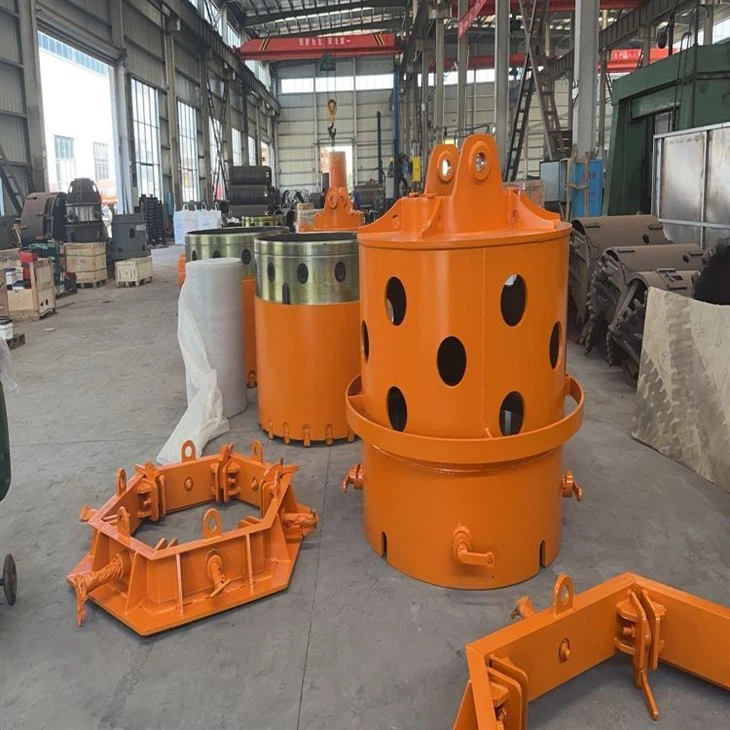
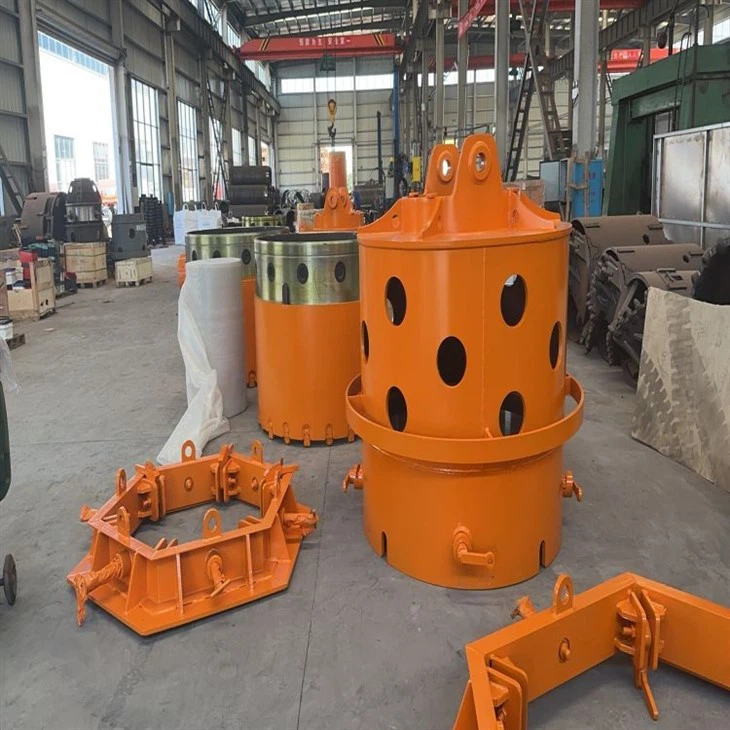
If you're looking for a reliable solution to improve the performance and prevent overheating of your casing drive, the Bauer Casing Drive Adapter is a great option. This adapter is designed to provide a secure and efficient connection between the casing drive and the casing tube, reducing vibration and improving torque transfer.
The Bauer Casing Drive Adapter is made from high-quality materials and is engineered to withstand the rigors of heavy-duty use. It helps to distribute the load more evenly, which can reduce stress on the casing drive and prevent overheating. Additionally, the adapter is easy to install and maintain, making it a cost-effective solution for your drilling operations.
Conclusion
Preventing a casing drive from overheating is essential for ensuring its long-term performance and reliability. By following the tips outlined in this blog, such as regular maintenance, proper ventilation, temperature monitoring, correct installation, load management, and using high-quality components, you can significantly reduce the risk of overheating.
If you have any questions or need further advice on preventing casing drive overheating, or if you're interested in purchasing a casing drive or related components, feel free to reach out. We're here to help you keep your casing drive running smoothly and efficiently.
References
- Manufacturer's manuals for casing drives
- Industry standards and best practices for drilling equipment maintenance and operation