

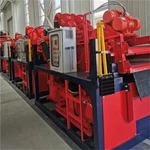

Hey there! As a soil drilling bit supplier, I've seen firsthand the problems that overheating can cause. When a soil drilling bit gets too hot, it can lead to all sorts of issues, from reduced efficiency to complete failure. In this blog post, I'm gonna share some tips on how to prevent overheating of a soil drilling bit.
Understanding the Causes of Overheating
Before we dive into the prevention methods, let's first understand what causes a soil drilling bit to overheat. There are several factors that can contribute to this problem:
- Friction: When the bit rotates against the soil, friction is generated. This friction produces heat, and if it's not managed properly, the bit can overheat.
- High-Speed Drilling: Drilling at high speeds can increase the amount of friction and heat generated. This is especially true if the bit is not designed for high-speed drilling.
- Incorrect Bit Selection: Using the wrong type of bit for the soil conditions can also lead to overheating. For example, if you use a bit that's designed for soft soil in hard soil, it will have to work harder, generating more heat.
- Lack of Lubrication: Lubrication helps to reduce friction and heat. If the bit is not properly lubricated, it can overheat more easily.
Tips to Prevent Overheating
Now that we know what causes overheating, let's look at some ways to prevent it:
1. Choose the Right Bit
Selecting the right bit for the soil conditions is crucial. Different types of soil require different types of bits. For example, if you're drilling in soft soil, you might want to consider Flat Soil Drilling Teeth. These teeth are designed to cut through soft soil efficiently, reducing the amount of friction and heat generated.
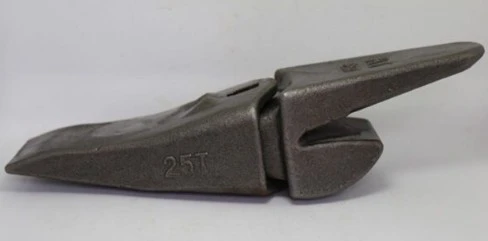
On the other hand, if you're dealing with hard soil, 25T Soil Drilling Teeth might be a better option. These teeth are more robust and can handle the increased stress of drilling in hard soil without overheating as easily.
2. Control the Drilling Speed
As I mentioned earlier, high-speed drilling can increase the amount of heat generated. So, it's important to control the drilling speed. Don't try to rush the job by drilling too fast. Instead, find a speed that allows the bit to cut through the soil smoothly without generating excessive heat.
If you're not sure what the optimal speed is, you can refer to the manufacturer's guidelines. They usually provide recommendations on the appropriate drilling speed for different types of bits and soil conditions.
3. Use Lubrication
Lubrication is key to reducing friction and heat. There are different types of lubricants available for soil drilling bits, such as oil-based lubricants and water-based lubricants. Choose a lubricant that's suitable for your bit and the soil conditions.
Before you start drilling, apply the lubricant to the bit. Make sure to cover all the cutting edges and surfaces. During the drilling process, keep an eye on the lubrication level and reapply it as needed.

4. Take Breaks
Continuous drilling can cause the bit to overheat. So, it's a good idea to take regular breaks. This allows the bit to cool down and reduces the risk of overheating.
The frequency of breaks will depend on the drilling conditions. If you're drilling in hard soil or at a high speed, you might need to take more frequent breaks. For example, you could take a 5 - 10 minute break every 30 minutes of drilling.
5. Monitor the Temperature
It's important to monitor the temperature of the bit during the drilling process. You can use a non-contact infrared thermometer to measure the temperature of the bit. If the temperature starts to get too high, stop drilling immediately and let the bit cool down.
If you notice that the bit is consistently overheating, even after following all the prevention tips, there might be an underlying problem. In this case, it's a good idea to have the bit inspected by a professional.
Importance of Preventing Overheating
Preventing overheating of a soil drilling bit is not just about avoiding immediate problems. It also has long-term benefits:
- Extended Bit Lifespan: Overheating can cause the bit to wear out faster. By preventing overheating, you can extend the lifespan of the bit, saving you money in the long run.
- Improved Efficiency: An overheated bit is less efficient at cutting through the soil. By keeping the bit cool, you can ensure that it operates at its optimal efficiency, reducing the time and effort required for the drilling job.
- Reduced Maintenance Costs: Overheating can lead to damage to the bit, which may require costly repairs or replacements. By preventing overheating, you can reduce the need for maintenance and save on maintenance costs.
Conclusion
So, there you have it - some tips on how to prevent overheating of a soil drilling bit. By choosing the right bit, controlling the drilling speed, using lubrication, taking breaks, and monitoring the temperature, you can keep your bit cool and ensure a successful drilling operation.
If you're in the market for high-quality soil drilling bits, we've got you covered. We offer a wide range of bits, including Flat Soil Drilling Teeth and 25T Soil Drilling Teeth. If you have any questions or would like to discuss your specific needs, feel free to reach out to us. We're here to help you find the best solutions for your soil drilling projects.
References
- Drilling Equipment Handbook, Various Authors
- Soil Mechanics and Foundation Engineering, Braja M. Das