



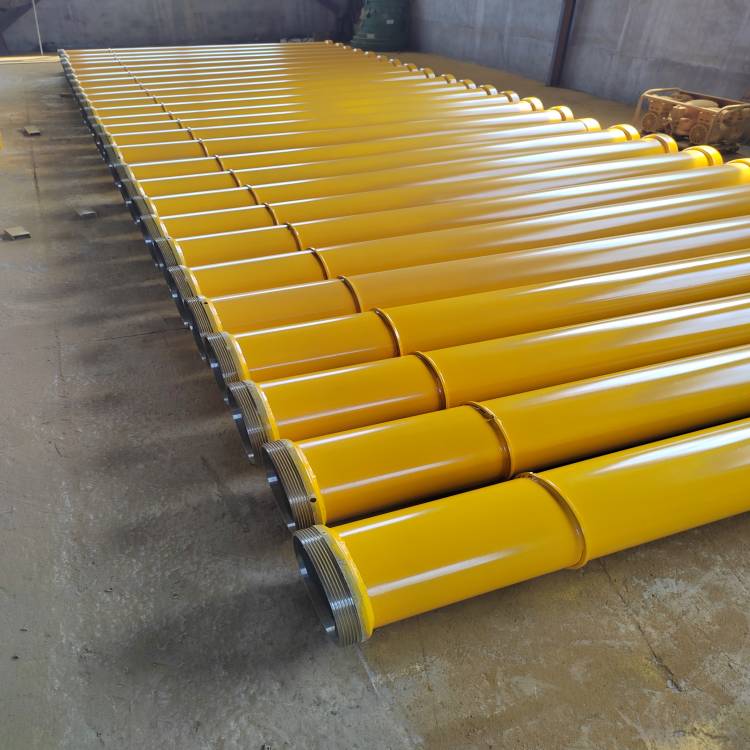
Repairing a damaged threaded tremie pipe is a crucial skill for anyone involved in construction projects, especially when dealing with underwater concrete placement. As a supplier of Threaded Tremie Pipe, I've seen firsthand the importance of keeping these pipes in top - notch condition. In this blog, I'll walk you through the steps to effectively repair a damaged threaded tremie pipe.
Step 1: Inspection and Assessment
The first step in repairing a damaged threaded tremie pipe is a thorough inspection. You need to determine the nature and extent of the damage. Look for cracks, dents, corrosion, or any signs of wear on the pipe's body, threads, or joints. Cracks can compromise the structural integrity of the pipe and lead to leaks, while dents may affect the flow of concrete through the pipe. Corrosion can weaken the metal and cause the threads to become loose or damaged.
Use a measuring tape, calipers, and a magnifying glass if necessary to get an accurate assessment of the damage. Check the inner and outer diameters of the pipe, as well as the pitch and depth of the threads. If the damage is minor, such as a small surface crack or a slight dent, it may be possible to repair the pipe. However, if the damage is severe, such as a large crack that runs through the pipe or extensive corrosion, the pipe may need to be replaced.
Step 2: Cleaning the Pipe
Once you've assessed the damage, the next step is to clean the pipe. Remove any dirt, debris, concrete residue, or rust from the surface of the pipe. You can use a wire brush, sandpaper, or a power washer to clean the pipe. Make sure to clean the threads thoroughly, as any debris in the threads can prevent a proper connection between the pipes.
For stubborn rust or concrete residue, you may need to use a chemical cleaner. However, be careful when using chemical cleaners, as they can be corrosive and may damage the pipe if not used correctly. Follow the manufacturer's instructions carefully and wear protective gloves and goggles when using chemical cleaners.
Step 3: Repairing Minor Damage
If the damage is minor, such as a small crack or a dent, you can repair it using a variety of methods.
Welding
For small cracks in the pipe body, welding can be an effective repair method. Before welding, make sure to clean the area around the crack thoroughly and remove any rust or debris. Use a welding rod that is compatible with the material of the pipe. When welding, follow proper welding techniques to ensure a strong and durable repair. After welding, grind the welded area smooth to prevent any sharp edges that could cause problems during use.
Patching
Another option for repairing small cracks is to use a pipe patch. Pipe patches are available in various materials, such as fiberglass or epoxy. Clean the area around the crack, apply the patch according to the manufacturer's instructions, and allow it to cure. Pipe patches can provide a quick and easy repair for small cracks.

Dent Repair
For minor dents, you can use a hammer and a block of wood to gently pound the dent out. Place the block of wood on the inside of the pipe, opposite the dent, and use the hammer to tap the dent from the outside. Be careful not to over - pound the dent, as this can cause further damage to the pipe.
Step 4: Repairing Thread Damage
Thread damage is a common problem with threaded tremie pipes. If the threads are damaged, it can prevent the pipes from being properly connected, leading to leaks and other issues.
Thread Chasing
If the threads are only slightly damaged, you can use a thread chaser to clean and restore the threads. A thread chaser is a tool that is designed to follow the existing thread pattern and remove any debris or burrs. Insert the thread chaser into the damaged threads and turn it slowly to clean and restore the threads.
Thread Repair Inserts
For more severe thread damage, you can use thread repair inserts. Thread repair inserts are available in various sizes and materials. To use a thread repair insert, first, drill out the damaged threads to the appropriate size for the insert. Then, insert the thread repair insert into the drilled hole and use a special tool to install it. The insert will provide new, undamaged threads for the pipe connection.
Step 5: Testing the Repaired Pipe
After repairing the pipe, it's important to test it to ensure that it is in proper working condition. You can perform a pressure test to check for leaks. Connect the repaired pipe to a Tremie Hopper and a Tremie Rack if available. Fill the pipe with water and apply pressure to the pipe using a pump or a compressor. Check for any signs of leaks around the repaired area or at the pipe joints.
If there are no leaks, the pipe is ready to be used. However, if there are leaks, you may need to repeat the repair process or replace the pipe if the repair was not successful.
Step 6: Preventive Maintenance
To avoid future damage to your threaded tremie pipes, it's important to perform regular preventive maintenance.
Storage
Store the pipes in a dry, protected area to prevent rust and corrosion. If the pipes are stored outdoors, cover them with a tarp or a plastic sheet to protect them from the elements.
Inspection
Regularly inspect the pipes for signs of damage, wear, or corrosion. Check the threads, joints, and the pipe body for any issues. By catching problems early, you can prevent more serious damage from occurring.
Cleaning
After each use, clean the pipes thoroughly to remove any concrete residue or debris. This will help prevent corrosion and keep the pipes in good condition.
In conclusion, repairing a damaged threaded tremie pipe requires a combination of careful inspection, proper cleaning, and the right repair techniques. By following the steps outlined in this blog, you can effectively repair minor damage to your threaded tremie pipes and extend their lifespan.
As a supplier of Threaded Tremie Pipe, we are committed to providing high - quality products and excellent customer service. If you have any questions about threaded tremie pipes, repairs, or need to purchase new pipes, please feel free to contact us for more information and to discuss your specific requirements. Our team of experts is ready to assist you in finding the best solutions for your construction projects.
References
- "Construction Equipment Maintenance Handbook" by John Doe
- "Piping Handbook" by Jane Smith
- Manufacturer's manuals for threaded tremie pipes, tremie racks, and tremie hoppers.