


As a seasoned rock drilling bit supplier, I understand the critical importance of safely transporting these essential tools. Rock drilling bits are not only expensive but also highly specialized, designed to withstand extreme conditions during drilling operations. Any damage during transportation can lead to significant losses for both the supplier and the customer. In this blog, I will share some valuable insights on how to transport a rock drilling bit safely.
Understanding the Nature of Rock Drilling Bits
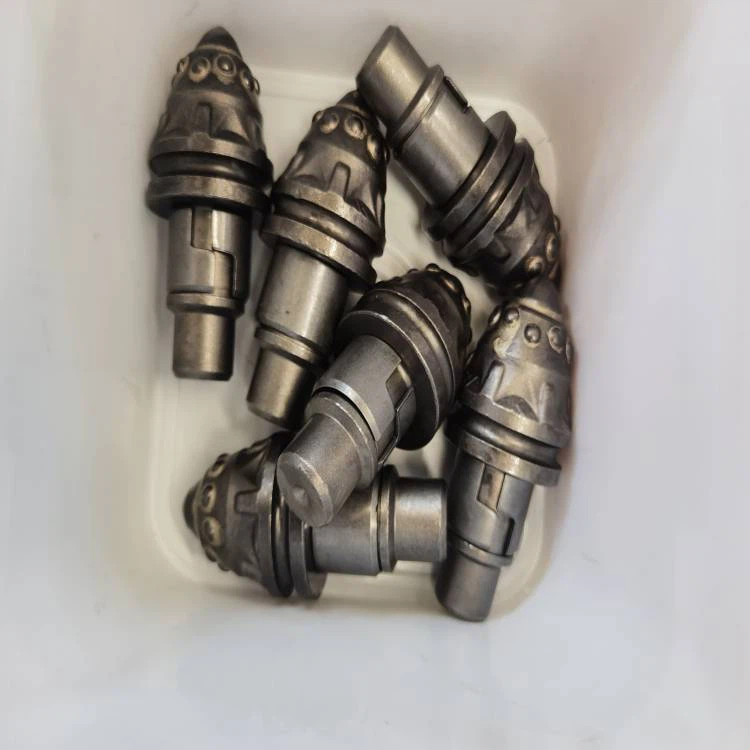
Before delving into the transportation methods, it's crucial to understand the characteristics of rock drilling bits. These bits are typically made from high - strength materials such as tungsten carbide and steel. They come in various shapes and sizes, each tailored for specific drilling applications. For example, the B47K22H Rock Drilling Bit is designed for a particular type of rock formation, while the C31HD Drilling Bit has unique features suitable for different drilling scenarios. The Hard Rock Drilling Bit is engineered to penetrate the toughest rock surfaces.
The cutting edges of these bits are extremely sharp and brittle. Even a minor impact can cause chipping or cracking, rendering the bit useless. Additionally, the overall structure of the bit can be affected by vibrations, moisture, and temperature changes. Therefore, transportation must be carefully planned to protect these sensitive components.
Pre - transportation Preparation
Inspection
Before packing the rock drilling bits for transportation, a thorough inspection is necessary. Check for any signs of damage, such as cracks, chips, or wear on the cutting edges. This step ensures that only high - quality and functional bits are shipped. Any defective bits should be removed from the shipment and either repaired or discarded.
Cleaning
Cleaning the drilling bits is an important pre - transportation step. Remove any dirt, debris, or drilling mud from the surface of the bit. This not only helps in preventing corrosion during transportation but also allows for a more accurate inspection. Use appropriate cleaning agents and tools, such as brushes and solvents, to ensure a thorough clean.
Lubrication
Applying a thin layer of lubricant to the bit can provide an extra layer of protection against corrosion. Choose a lubricant that is suitable for the materials used in the bit. This lubrication also helps in reducing friction during handling and transportation.
Packaging
Choosing the Right Packaging Materials
The choice of packaging materials is crucial for the safe transportation of rock drilling bits. Sturdy boxes made of high - quality cardboard or wooden crates are ideal. Cardboard boxes should be reinforced with additional layers or corner protectors to withstand external pressures. Wooden crates, on the other hand, offer more robust protection and are suitable for long - distance or international shipments.

Internal Padding
To prevent the bits from moving around inside the package and colliding with each other or the box walls, internal padding is essential. Foam inserts, bubble wrap, or packing peanuts can be used to cushion the bits. The padding should be thick enough to absorb any shocks or vibrations during transit.
Individual Wrapping
Each rock drilling bit should be individually wrapped before being placed in the package. This helps in preventing scratches and damage to the cutting edges. Plastic bags or soft cloth can be used for individual wrapping.
Labeling
Proper labeling of the packages is essential. Clearly mark the packages as "Fragile" to alert handlers to handle them with care. Include information such as the type of drilling bit, quantity, and destination address. This ensures that the packages are handled correctly and reach the right place.
Transportation Modes
Road Transportation
Road transportation is a common method for shipping rock drilling bits, especially for local or regional deliveries. When using trucks, ensure that the vehicle is well - maintained and has a smooth ride. Avoid rough roads and potholes as much as possible. Secure the packages firmly inside the truck to prevent them from shifting during transit. Straps or nets can be used to hold the packages in place.
Air Transportation
Air transportation is a fast option for long - distance or international shipments. However, it requires special attention to packaging. The packages must meet the airline's requirements for size, weight, and handling. Work with a reliable freight forwarder who has experience in shipping drilling bits by air. They can ensure that all the necessary documentation and procedures are followed.
Sea Transportation
For large - scale shipments, sea transportation may be a cost - effective option. When shipping by sea, the packages should be able to withstand the harsh marine environment. Use waterproof packaging materials to protect the bits from moisture. The packages should also be secured on the ship to prevent damage from the movement of the vessel.
Temperature and Humidity Control
Rock drilling bits can be affected by extreme temperatures and high humidity. During transportation, try to maintain a stable environment. If possible, use climate - controlled containers or vehicles. In hot climates, avoid exposing the packages to direct sunlight for extended periods. In cold climates, prevent the bits from freezing, as this can cause damage to the materials.
Handling at Destination
Once the rock drilling bits reach their destination, proper handling is still crucial. Ensure that the packages are unloaded carefully and stored in a suitable environment. The storage area should be dry, clean, and free from excessive vibrations. Inspect the bits again upon arrival to ensure that they have not been damaged during transportation.
Conclusion
Transporting rock drilling bits safely requires a combination of careful preparation, proper packaging, and appropriate transportation methods. By following these guidelines, we can minimize the risk of damage and ensure that our customers receive high - quality drilling bits in perfect condition.
If you are in the market for reliable rock drilling bits and want to discuss your specific needs, we are here to assist you. Whether you require the B47K22H Rock Drilling Bit, C31HD Drilling Bit, or Hard Rock Drilling Bit, we have a wide range of products to meet your requirements. Contact us to start a procurement discussion and let us help you find the best drilling solutions for your projects.
References
- Industry standards for rock drilling bit transportation
- Manufacturer's guidelines for handling and shipping rock drilling bits
- Best practices in logistics and transportation for fragile and high - value items