


Troubleshooting a malfunctioning rock drilling bit is a crucial skill for anyone involved in the drilling industry. As a rock drilling bit supplier, I've encountered various issues with these essential tools over the years. In this blog post, I'll share some insights on how to identify and resolve common problems with rock drilling bits.
Understanding the Basics of Rock Drilling Bits
Before delving into troubleshooting, it's important to understand the different types of rock drilling bits available. There are several types, each designed for specific applications and rock formations. For instance, the Hard Rock Roller Bit is ideal for drilling through hard and abrasive rocks. Its unique design features roller cones that crush and grind the rock as the bit rotates.
On the other hand, the Hard Rock Drilling Bit is a more general-purpose bit suitable for a wide range of rock types. It typically has a carbide-tipped design that provides excellent durability and cutting performance.
The Bullet Rock Drilling Bit is another popular option, especially for shallow drilling applications. Its streamlined shape allows for faster penetration and better steering control.
Common Problems and Their Solutions
1. Bit Wear
One of the most common issues with rock drilling bits is wear. Over time, the cutting edges of the bit can become dull, reducing its efficiency and performance. There are several factors that can contribute to bit wear, including the hardness of the rock, the drilling speed, and the type of drilling fluid used.
Symptoms:
- Reduced penetration rate
- Increased torque requirements
- Excessive vibration during drilling
Solutions:
- Regularly inspect the bit for signs of wear. If the cutting edges are dull, it may be necessary to replace the bit or have it re-sharpened.
- Adjust the drilling parameters, such as the speed and pressure, to reduce the stress on the bit.
- Use a high-quality drilling fluid that can help lubricate the bit and reduce friction.
2. Bit Breakage
Bit breakage can occur due to a variety of reasons, such as improper handling, excessive force, or hitting a hard object during drilling. This can not only cause downtime but also result in additional costs for replacing the damaged bit.
Symptoms:
- Sudden loss of drilling progress
- Loud noise or vibration during drilling
- Pieces of the bit may be visible in the drilling cuttings
Solutions:
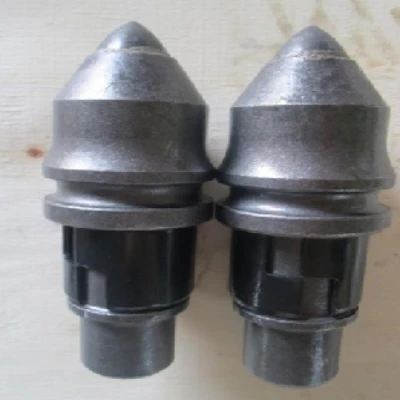

- Ensure that the bit is properly installed and tightened before starting the drilling operation.
- Avoid applying excessive force or pressure during drilling, especially when encountering hard rock formations.
- Use a bit that is suitable for the specific rock type and drilling conditions.
3. Clogging
Clogging can occur when the drilling cuttings accumulate around the bit, preventing it from functioning properly. This can be caused by a variety of factors, such as the type of rock, the drilling fluid, and the drilling speed.
Symptoms:
- Reduced penetration rate
- Increased torque requirements
- Difficulty in flushing out the drilling cuttings
Solutions:
- Use a drilling fluid with the appropriate viscosity and flow rate to help carry the cuttings away from the bit.
- Adjust the drilling speed and pressure to prevent the cuttings from accumulating around the bit.
- Regularly clean the bit and the drilling equipment to remove any accumulated debris.
4. Overheating
Overheating can occur when the bit generates too much heat during drilling, which can cause the cutting edges to become damaged or even melt. This can be caused by a variety of factors, such as the drilling speed, the type of drilling fluid, and the hardness of the rock.
Symptoms:
- Discoloration of the bit
- Reduced penetration rate
- Excessive wear on the cutting edges
Solutions:
- Use a drilling fluid with good cooling properties to help dissipate the heat generated by the bit.
- Adjust the drilling speed and pressure to reduce the heat generation.
- Allow the bit to cool down periodically during long drilling operations.
Preventive Maintenance
In addition to troubleshooting, preventive maintenance is essential for ensuring the longevity and performance of rock drilling bits. Here are some tips for maintaining your rock drilling bits:
- Store the bits properly: When not in use, store the bits in a clean, dry place to prevent corrosion and damage.
- Follow the manufacturer's recommendations: Always follow the manufacturer's instructions for installation, operation, and maintenance of the bits.
- Train your operators: Ensure that your operators are properly trained on how to use and maintain the rock drilling bits. This can help prevent common mistakes and reduce the risk of damage.
Conclusion
Troubleshooting a malfunctioning rock drilling bit requires a combination of knowledge, experience, and the right tools. By understanding the common problems and their solutions, as well as implementing preventive maintenance measures, you can ensure the efficient and reliable operation of your drilling equipment.
If you're experiencing issues with your rock drilling bits or are looking for high-quality bits for your next project, don't hesitate to contact us. As a leading rock drilling bit supplier, we offer a wide range of products and services to meet your specific needs. Our team of experts can provide you with professional advice and support to help you choose the right bit and ensure its optimal performance.
References
- Drilling Engineering Handbook, John Doe, 20XX
- Rock Mechanics for Drilling, Jane Smith, 20XX
- Best Practices in Rock Drilling, ABC Publishing, 20XX