

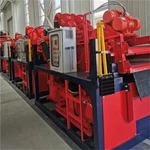

Hey there! I'm a supplier of soil drilling bits, and today I wanna chat about the applications of vertical-only soil drilling bits. These bits are pretty special, and they've got a wide range of uses in different industries. Let's dive right in!
Construction Industry
In the construction world, vertical-only soil drilling bits are super important. When building foundations for large structures like skyscrapers, bridges, or even small houses, you need to drill deep into the soil to create stable foundations. These bits are designed to drill straight down, ensuring that the holes are perfectly vertical. This is crucial because a non-vertical hole can lead to an unstable foundation, which is a big no-no in construction.
For example, when constructing a high-rise building, the foundation needs to be strong enough to support the entire weight of the structure. Vertical-only soil drilling bits are used to create holes for piles. Piles are long, cylindrical structures made of concrete, steel, or wood that are driven into the ground. The vertical holes drilled by these bits ensure that the piles are installed correctly, providing maximum support to the building.
Another application in construction is for installing utility poles. Whether it's for electrical lines, telephone cables, or streetlights, utility poles need to be firmly planted in the ground. Vertical-only soil drilling bits are used to drill holes for the poles, making sure they stand upright and stable. This helps prevent the poles from leaning or falling over, which could cause disruptions to the utility services.
Geotechnical Engineering
Geotechnical engineers study the properties of soil and rock to assess the stability of the ground for construction projects. Vertical-only soil drilling bits are essential tools in their work. They use these bits to collect soil samples from different depths below the surface. By analyzing these samples, engineers can determine the soil's composition, density, strength, and other important properties.
For instance, if a geotechnical engineer is working on a project in an area with soft or unstable soil, they need to know the exact characteristics of the soil to design appropriate foundations. Vertical-only soil drilling bits allow them to obtain undisturbed soil samples, which are crucial for accurate analysis. These samples can also help engineers identify potential hazards such as underground water tables, soil liquefaction, or the presence of rocks or other obstacles.
In addition to soil sampling, vertical-only soil drilling bits are used for in-situ testing. This involves performing tests directly in the ground to measure the soil's properties. For example, engineers might use a cone penetration test (CPT) to determine the soil's strength and density. The vertical holes drilled by the bits provide a stable platform for the CPT equipment, ensuring accurate and reliable test results.
Agriculture
In the agricultural sector, vertical-only soil drilling bits have several applications. One of the main uses is for soil aeration. Over time, the soil in agricultural fields can become compacted, which restricts the movement of air, water, and nutrients. This can have a negative impact on plant growth. Vertical-only soil drilling bits are used to create small holes in the soil, allowing air and water to penetrate deeper into the ground.
These holes also help improve root development by providing more space for the roots to grow. By aerating the soil, farmers can increase crop yields and improve the overall health of their fields. Another application in agriculture is for installing irrigation systems. Vertical-only soil drilling bits are used to drill holes for the pipes and sprinklers, ensuring they are installed at the correct depth and angle. This helps ensure efficient water distribution and reduces water waste.
Mining
In the mining industry, vertical-only soil drilling bits are used for exploration and extraction. When prospecting for minerals, geologists need to drill holes in the ground to collect rock samples. Vertical-only soil drilling bits are used to create these holes, allowing geologists to access different layers of the earth's crust. By analyzing the rock samples, they can determine the presence and quantity of minerals.

Once a mineral deposit has been identified, vertical-only soil drilling bits are used for extraction. For example, in open-pit mining, these bits are used to drill holes for blasting. The holes are filled with explosives, which are then detonated to break up the rock and expose the minerals. In underground mining, vertical-only soil drilling bits are used to create ventilation shafts, access tunnels, and boreholes for ore extraction.
Our Products
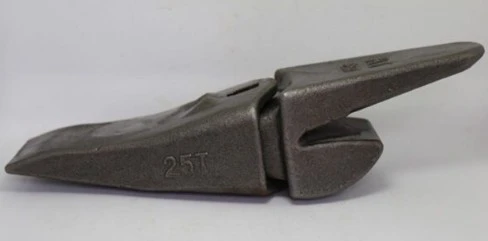
As a soil drilling bit supplier, we offer a wide range of vertical-only soil drilling bits to meet the needs of different industries. Our 25T Soil Drilling Teeth are designed for heavy-duty applications. They are made of high-quality materials and are built to last. These teeth are suitable for drilling in hard and abrasive soils, making them ideal for construction, mining, and geotechnical engineering projects.
We also have Flat Soil Drilling Teeth that are perfect for more delicate applications. These teeth are designed to provide a smooth and clean cut, making them suitable for soil sampling and agricultural applications. Our flat soil drilling teeth are available in different sizes and configurations to meet the specific requirements of our customers.
Contact Us for Purchasing
If you're in the market for vertical-only soil drilling bits, we'd love to hear from you. We've got the expertise and the products to meet your needs. Whether you're a construction company, a geotechnical engineer, a farmer, or a mining operation, we can provide you with the right soil drilling bits for your project.
Just reach out to us, and we'll be happy to discuss your requirements and provide you with a quote. We're committed to providing high-quality products and excellent customer service. So, don't hesitate to contact us and start the conversation about your soil drilling bit needs.
References
- "Soil Mechanics and Foundations" by Braja M. Das
- "Geotechnical Engineering Handbook" by Robert H. Brown
- "Agricultural Soil and Water Conservation Engineering" by Norman R. Fausey, et al.
- "Mining Engineering Handbook" by Hartman and Mutmansky