


Frozen soil presents a unique set of challenges when it comes to soil drilling operations. As a soil drilling bit supplier, I've witnessed firsthand the difficulties that contractors and operators face when working in these harsh conditions. In this blog post, I'll explore the key challenges of using a soil drilling bit in frozen soil and offer some insights on how to overcome them.
1. Increased Hardness and Abrasiveness
One of the most significant challenges of drilling in frozen soil is its increased hardness and abrasiveness. When soil freezes, the water within it turns into ice, which significantly strengthens the soil structure. This makes it much more difficult for the drilling bit to penetrate and cut through the soil. The ice crystals in the frozen soil also act as abrasive particles, wearing down the cutting edges of the drilling bit at a much faster rate compared to drilling in non - frozen soil.
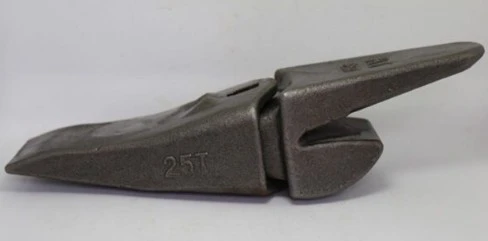
For example, in normal soil conditions, a well - designed 25T Soil Drilling Teeth can last for a reasonable amount of time before needing replacement. However, in frozen soil, the same teeth may experience rapid wear and chipping. The high hardness of the frozen soil can cause the carbide tips on the drilling teeth to break or wear down prematurely, reducing the efficiency of the drilling process and increasing the overall cost of the operation due to frequent bit replacements.
2. Reduced Penetration Rate
The increased hardness of frozen soil directly leads to a reduced penetration rate. When the drilling bit encounters frozen soil, it has to exert more force to break through the ice - bound soil particles. This requires more power from the drilling equipment, and in many cases, the equipment may not be able to provide sufficient force to maintain an acceptable penetration rate.
As a result, the drilling process becomes slower, which can significantly extend the project timeline. For large - scale construction or geotechnical exploration projects, a slow penetration rate can lead to increased labor costs, equipment rental fees, and overall project delays. Contractors may need to use more powerful drilling rigs or modify their drilling techniques to improve the penetration rate in frozen soil.
3. Bit Clogging
Frozen soil can also cause bit clogging problems. As the drilling bit cuts through the frozen soil, the broken soil particles and ice fragments can accumulate around the bit, blocking the flutes or channels that are designed to remove the cuttings from the borehole. This clogging can prevent the proper flow of drilling fluid (if used) and impede the efficient removal of cuttings, further reducing the drilling efficiency.

Bit clogging can also lead to overheating of the drilling bit. When the cuttings cannot be removed effectively, the friction between the bit and the soil increases, generating more heat. Excessive heat can damage the bit material, especially the carbide tips, and reduce the bit's lifespan. To prevent bit clogging, operators may need to use special drilling fluids or modify the design of the drilling bit to improve the cuttings removal capacity.
4. Uneven Wear and Stress Concentration
Frozen soil often has an uneven distribution of ice and soil particles, which can cause uneven wear on the drilling bit. Some parts of the bit may encounter harder ice - rich areas, while other parts may face softer soil regions. This uneven wear can lead to stress concentration on certain areas of the bit, increasing the risk of bit failure.
For instance, if a Flat Soil Drilling Teeth is used in frozen soil, the edges of the teeth may wear unevenly due to the variable hardness of the soil. This can cause the bit to become unbalanced during rotation, leading to vibrations that can damage the drilling equipment and further affect the drilling quality. To address this issue, drilling bit manufacturers need to design bits with better wear - resistance and stress - distribution properties, such as using advanced materials and optimized tooth geometries.
5. Difficulty in Borehole Stability
Maintaining borehole stability is another challenge when drilling in frozen soil. The freezing and thawing cycles of the soil can cause changes in the soil structure and stress distribution around the borehole. When the drilling bit removes the frozen soil, the surrounding soil may experience a sudden change in stress, which can lead to borehole collapse or deformation.
In addition, the presence of ice in the soil can also affect the stability of the borehole. As the ice melts, it can cause the soil to become more plastic and less stable. This is particularly problematic in areas where the groundwater table is high or where there is a significant amount of ice in the soil profile. To ensure borehole stability, contractors may need to use casing or other support systems during the drilling process.
6. Cold Weather Effects on Drilling Equipment
The cold weather associated with frozen soil conditions can also have a negative impact on the drilling equipment itself. Low temperatures can cause the hydraulic fluids in the drilling rig to thicken, reducing the efficiency of the hydraulic system. The rubber seals and gaskets on the equipment may become brittle and crack in cold weather, leading to leaks and equipment malfunctions.
In addition, the batteries on the drilling equipment may have reduced performance in cold temperatures, which can affect the operation of the electrical components. To mitigate these cold - weather effects, operators need to use special cold - weather hydraulic fluids, lubricants, and batteries. They also need to properly maintain and store the equipment in a warm environment when not in use to prevent damage from the cold.
Overcoming the Challenges
Despite these challenges, there are several strategies that can be employed to overcome the difficulties of using a soil drilling bit in frozen soil.
Bit Selection
Choosing the right drilling bit is crucial. For frozen soil, bits with high - quality carbide tips and robust designs are recommended. Our 25T Soil Drilling Teeth are designed to withstand the high abrasiveness and hardness of frozen soil. They are made from premium carbide materials that offer excellent wear resistance and impact strength. The tooth geometry is also optimized to improve the cutting efficiency and reduce the risk of bit clogging.
Drilling Fluid Management
Using the right drilling fluid can help improve the drilling performance in frozen soil. Drilling fluids can lubricate the drilling bit, reduce friction, and carry the cuttings out of the borehole. In frozen soil conditions, special drilling fluids that can withstand low temperatures and prevent the freezing of the fluid in the borehole are required. Some drilling fluids also have additives that can help break down the ice in the soil, improving the penetration rate.
Equipment Modification
Modifying the drilling equipment can also enhance its performance in frozen soil. This may include upgrading the power unit to provide more force for penetration, improving the hydraulic system to ensure proper operation in cold weather, and adding heating elements to prevent the equipment from freezing.
Conclusion
Drilling in frozen soil presents numerous challenges for contractors and operators. However, with the right knowledge, appropriate bit selection, and proper equipment management, these challenges can be overcome. As a soil drilling bit supplier, I'm committed to providing high - quality drilling bits and technical support to help our customers achieve efficient and cost - effective drilling operations in frozen soil.
If you're facing challenges in your frozen soil drilling projects or are looking for high - performance soil drilling bits, I encourage you to contact us for a detailed discussion. We can offer customized solutions based on your specific project requirements and help you select the most suitable drilling bits to improve your drilling efficiency and reduce costs.
References
- ASTM International. (20XX). Standards related to soil drilling and geotechnical exploration in cold regions.
- Geotechnical Engineering Handbook. (20XX). Chapter on drilling in frozen soil conditions.
- Journal of Drilling Technology. Various articles on challenges and solutions for drilling in frozen soil.