


As a supplier of Threaded Tremie Pipes, I've witnessed firsthand the challenges that contractors and engineers face when using these essential pieces of equipment in construction projects, particularly in underwater concrete pouring. In this blog post, I'll delve into the common failures of Threaded Tremie Pipes and offer practical solutions to address them.
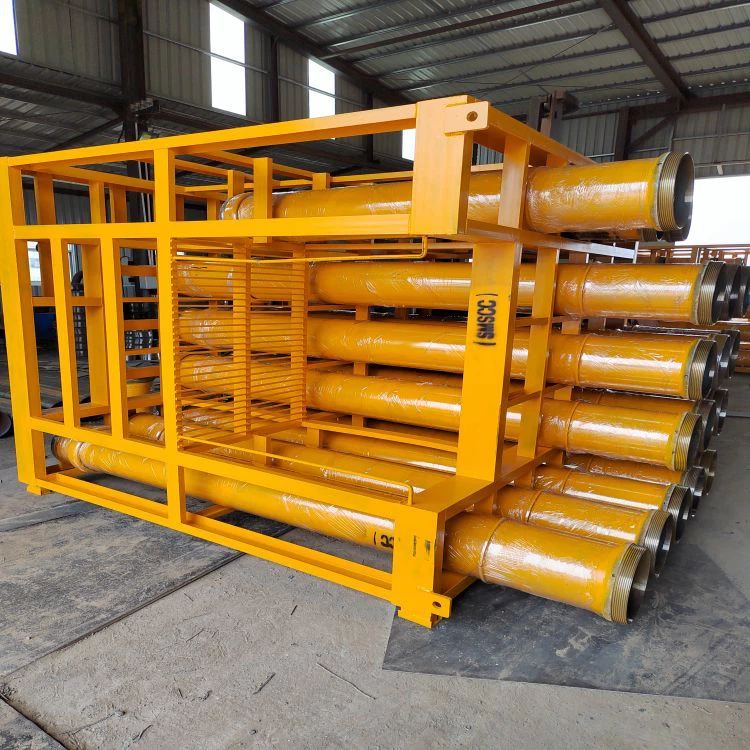
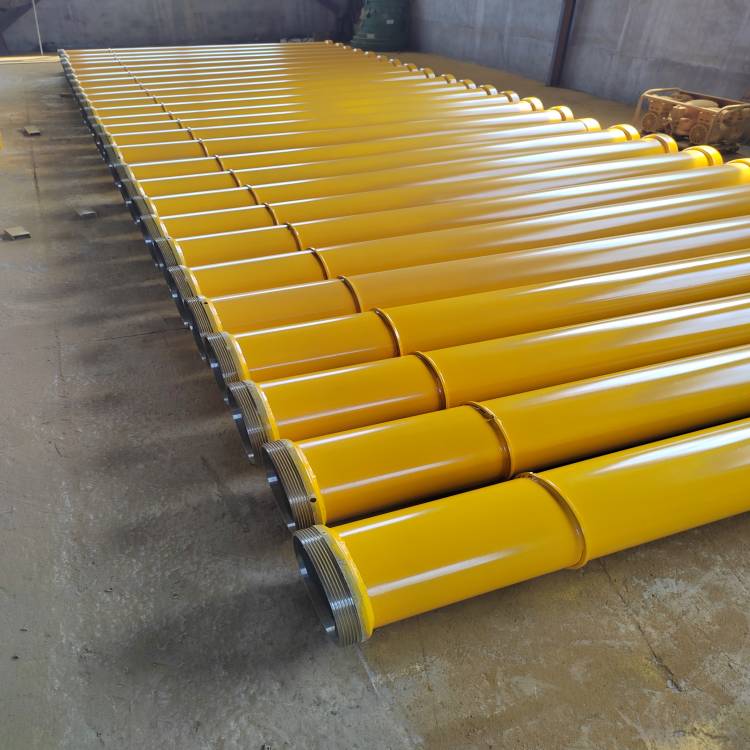
Common Failures of Threaded Tremie Pipes
1. Leakage at Threaded Connections
One of the most prevalent issues with Threaded Tremie Pipes is leakage at the threaded connections. Over time, the constant pressure and movement during concrete pouring can cause the threads to loosen, leading to gaps where concrete or water can seep through. This not only results in material wastage but can also compromise the quality of the concrete structure being built.
Cause:
- Improper installation: If the pipes are not tightened correctly during assembly, the threads may not form a secure seal.
- Wear and tear: Repeated use and exposure to harsh environmental conditions can cause the threads to wear down, reducing their ability to create a tight fit.
- Incorrect thread size or type: Using pipes with mismatched thread sizes or types can prevent a proper seal from being formed.
Solution:
- Ensure proper installation: Before use, make sure that the pipes are assembled correctly, following the manufacturer's instructions. Use a torque wrench to tighten the connections to the recommended torque value.
- Regular inspection and maintenance: Periodically inspect the threaded connections for signs of wear or damage. Replace any worn or damaged parts promptly to prevent leakage.
- Use thread sealants: Applying a suitable thread sealant to the threads before assembly can help to create a more secure seal and prevent leakage.
2. Blockage of the Pipe
Blockage of the Threaded Tremie Pipe can occur when the concrete mixture becomes too thick or when foreign objects enter the pipe. This can disrupt the flow of concrete and cause delays in the construction process.
Cause:
- Improper concrete mix design: If the concrete mixture is too dry or contains too many large aggregates, it can become difficult to pump through the pipe and may cause blockages.
- Foreign objects: Debris, such as rocks or pieces of wood, can enter the pipe during the pouring process and cause blockages.
- Pipe diameter too small: Using a pipe with a diameter that is too small for the concrete mixture can also increase the risk of blockages.
Solution:
- Optimize the concrete mix design: Work with a qualified concrete engineer to design a concrete mixture that is suitable for the specific application and can be easily pumped through the pipe.
- Use a screen or filter: Install a screen or filter at the entrance of the pipe to prevent foreign objects from entering the pipe.
- Choose the right pipe diameter: Select a pipe with a diameter that is large enough to allow the concrete mixture to flow freely without causing blockages.
3. Pipe Collapse
In some cases, the Threaded Tremie Pipe may collapse under the weight of the concrete or due to external pressure. This can be a serious safety hazard and can also cause significant damage to the construction site.
Cause:
- Insufficient pipe strength: Using a pipe with a wall thickness or material strength that is not suitable for the application can cause the pipe to collapse under the weight of the concrete.
- External pressure: High water pressure or soil pressure can also cause the pipe to collapse if it is not designed to withstand these forces.
- Improper handling: Rough handling of the pipe during transportation or installation can cause damage to the pipe and increase the risk of collapse.
Solution:
- Choose a pipe with sufficient strength: Select a pipe with a wall thickness and material strength that is appropriate for the specific application and the expected loads.
- Consider external factors: Take into account the external pressure and other environmental factors when selecting a pipe. Use a pipe that is designed to withstand these forces.
- Handle the pipe carefully: During transportation and installation, handle the pipe carefully to avoid damage. Use appropriate lifting equipment and follow the manufacturer's instructions for handling the pipe.
4. Corrosion
Corrosion is a common problem with Threaded Tremie Pipes, especially when they are used in marine or other corrosive environments. Corrosion can weaken the pipe and reduce its lifespan, leading to increased maintenance costs and the risk of failure.
Cause:
- Exposure to corrosive substances: The pipe may be exposed to saltwater, chemicals, or other corrosive substances during use, which can cause corrosion to occur.
- Lack of protective coating: If the pipe is not coated with a suitable protective coating, it is more susceptible to corrosion.
- Poor maintenance: Failure to clean and maintain the pipe regularly can also accelerate the corrosion process.
Solution:
- Use a corrosion-resistant material: Select a pipe made from a corrosion-resistant material, such as stainless steel or fiberglass, to reduce the risk of corrosion.
- Apply a protective coating: Coating the pipe with a suitable protective coating, such as epoxy or polyurethane, can help to prevent corrosion and extend the lifespan of the pipe.
- Regular cleaning and maintenance: Clean the pipe regularly to remove any dirt, debris, or corrosive substances that may have accumulated on the surface. Inspect the pipe for signs of corrosion and take appropriate measures to address any issues promptly.
Conclusion
Threaded Tremie Pipes are an essential tool in construction projects, particularly in underwater concrete pouring. However, they are prone to several common failures, such as leakage at the threaded connections, blockage of the pipe, pipe collapse, and corrosion. By understanding the causes of these failures and implementing the appropriate solutions, contractors and engineers can minimize the risk of problems and ensure the successful completion of their projects.
As a supplier of Threaded Tremie Pipe, we are committed to providing high-quality products and excellent customer service. If you have any questions or need further information about our Threaded Tremie Pipes or other related products, such as Wire Cable Tremie Pipe and Tremie Coupling Cable, please feel free to contact us. We look forward to working with you on your next project.
References
- Concrete Construction Handbook, 5th Edition, by Edward G. Nawy
- Construction Equipment and Methods, 9th Edition, by Frank R. Driscoll
- ASTM Standards for Construction Materials and Structures