

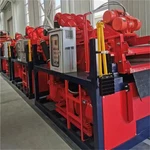

Can a desander be used in water treatment plants? That's a question I get asked a lot as a desander supplier. And the answer is a resounding yes! In this blog post, I'm gonna break down why desanders are a game - changer for water treatment plants, how they work, and what types are available.
First off, let's talk about what a desander is. A desander is a piece of equipment designed to separate sand and other heavy solids from a liquid stream. In the context of water treatment, this means getting rid of grit, sand, and sediment that can cause all sorts of problems in the treatment process.
Now, why are desanders so important in water treatment plants? Well, imagine you're running a water treatment plant. You've got all these pipes, filters, and pumps that are working hard to clean the water. But if there's a bunch of sand and grit in the water, it can clog up those pipes and filters, wear down the pumps, and reduce the overall efficiency of the treatment process. That's where desanders come in. They act as a first - line defense, removing the heavy solids before they can cause any damage.


One of the key benefits of using a desander in a water treatment plant is improved efficiency. By removing the sand and grit early on, the downstream treatment processes can work more effectively. Filters don't get clogged as quickly, so they don't need to be replaced as often. Pumps don't have to work as hard to push the water through the system, which means less energy consumption and lower operating costs.
Another benefit is the protection of equipment. As I mentioned earlier, sand and grit can cause significant wear and tear on pipes, pumps, and other components of the water treatment system. By using a desander, you can extend the lifespan of your equipment and reduce the need for costly repairs and replacements.
So, how does a desander work? Most desanders use a principle called centrifugal separation. The water - sand mixture is fed into a cylindrical chamber at high speed. As the mixture spins inside the chamber, the heavier sand particles are forced to the outer wall of the chamber due to centrifugal force. These particles then fall to the bottom of the chamber and are removed, while the cleaner water exits from the top.
There are different types of desanders available, each with its own advantages. One popular type is the Mud Desander. Mud desanders are great for removing fine sand and silt from water. They're often used in applications where the water has a high concentration of suspended solids.
Another type is the Slurry Desander. Slurry desanders are designed to handle larger volumes of water and can separate coarser sand particles. They're commonly used in industrial water treatment applications where there's a lot of sand and sediment in the water.
When choosing a desander for your water treatment plant, there are a few things to consider. First, you need to think about the flow rate of your water treatment system. You want to choose a desander that can handle the volume of water you're treating. Second, consider the size and type of the solids you need to remove. If you're dealing with fine sand and silt, a mud desander might be the best option. If you've got larger particles, a slurry desander could be more suitable.
It's also important to think about the maintenance requirements of the desander. Some desanders are easier to clean and maintain than others. You want to choose a model that fits your plant's maintenance capabilities and schedule.
In addition to the technical aspects, you should also look at the cost - effectiveness of the desander. While you don't want to skimp on quality, you also want to make sure you're getting a good return on your investment. Compare the prices of different desanders and consider the long - term operating costs, such as energy consumption and maintenance.
Now, I know what you might be thinking. "This all sounds great, but how do I know if a desander is right for my water treatment plant?" Well, the best way is to consult with an expert. As a desander supplier, I've got years of experience working with different water treatment plants. I can help you assess your specific needs and recommend the best desander for your situation.
If you're interested in learning more about desanders for your water treatment plant, don't hesitate to reach out. Whether you've got questions about the technology, need help with installation, or want to discuss pricing, I'm here to assist you. We can have a detailed conversation about your requirements and find the perfect desander solution for your plant.
In conclusion, desanders are a valuable addition to any water treatment plant. They offer improved efficiency, equipment protection, and cost - savings. With the right desander, you can ensure that your water treatment process runs smoothly and effectively. So, if you're looking to upgrade your water treatment system, consider adding a desander. And remember, I'm just a message away if you need any help or advice.
References
- "Water Treatment Handbook" - A comprehensive guide on water treatment processes and equipment.
- "Centrifugal Separation Technology in Industrial Applications" - Research on the principles and applications of centrifugal separation, including desanders.