


As a supplier of Threaded Tremie Pipes, I've had numerous conversations with clients about the wear - resistance properties of these essential construction tools. In this blog, I'll delve into the details of what makes Threaded Tremie Pipes resistant to wear, and why it matters in various construction applications.
Understanding Threaded Tremie Pipes
Threaded Tremie Pipes are a crucial component in construction projects, especially those involving underwater concrete placement. They are designed to transport concrete from the surface to the underwater construction site in a controlled manner. The threaded design allows for easy assembly and disassembly of the pipes, enabling flexibility in different construction scenarios.
Factors Affecting Wear - Resistance
Material Composition
The material used in manufacturing Threaded Tremie Pipes plays a significant role in their wear - resistance. Most of our pipes are made from high - quality steel. Steel is known for its strength and durability. It can withstand the abrasive forces exerted by the flowing concrete, which often contains aggregates such as sand and gravel. These aggregates can cause significant wear on the inner walls of the pipes if the material is not wear - resistant.
For instance, carbon steel is a common choice. It has a good balance of strength and cost - effectiveness. The carbon content in the steel provides hardness, which helps in resisting the abrasion caused by the concrete flow. Additionally, some of our pipes are made from alloy steels. Alloy steels have specific elements added to them, such as chromium, nickel, or molybdenum. These elements enhance the corrosion resistance and wear - resistance of the pipes. Chromium, for example, forms a passive oxide layer on the surface of the steel, protecting it from further corrosion and wear.
Surface Treatment
Surface treatment is another important factor in enhancing the wear - resistance of Threaded Tremie Pipes. We often apply a special coating to the inner and outer surfaces of the pipes. One such coating is epoxy coating. Epoxy coatings provide a smooth and hard surface that reduces the friction between the concrete and the pipe wall. This not only minimizes wear but also improves the flow of concrete through the pipe.
Another surface treatment option is galvanization. Galvanizing involves coating the steel pipe with a layer of zinc. Zinc acts as a sacrificial anode, protecting the steel from corrosion. In addition to corrosion protection, the zinc layer also provides some degree of wear - resistance. It can withstand minor abrasions and scratches, extending the lifespan of the pipe.
Pipe Design
The design of the Threaded Tremie Pipe also impacts its wear - resistance. The internal diameter of the pipe is carefully designed to ensure a smooth flow of concrete. A proper internal diameter reduces the turbulence of the concrete flow, which in turn reduces the abrasive forces on the pipe wall. If the internal diameter is too small, the concrete may flow at a higher velocity, increasing the wear on the pipe. On the other hand, if the diameter is too large, the concrete may not flow evenly, leading to uneven wear on the pipe wall.
The threading design is also crucial. Our threaded connections are designed to be tight and secure. A loose connection can cause leakage of concrete, which can lead to wear on the outside of the pipe and also affect the overall performance of the tremie system. The threads are precision - cut to ensure a proper fit, reducing the chances of concrete seepage and wear at the connection points.
Importance of Wear - Resistance in Construction
Cost - Effectiveness
Wear - resistant Threaded Tremie Pipes are cost - effective in the long run. Pipes with good wear - resistance properties have a longer lifespan, which means fewer replacements. This reduces the overall cost of the construction project. For example, in a large - scale underwater construction project, the cost of replacing worn - out pipes can be significant. By using wear - resistant pipes, the construction company can save money on pipe procurement and installation.
Project Efficiency
Wear - resistant pipes contribute to project efficiency. When the pipes are not worn out, the concrete flow through the pipes is smooth and consistent. This ensures that the concrete is placed accurately at the construction site. In contrast, if the pipes are worn, the concrete flow may be disrupted, leading to uneven concrete placement. This can result in delays in the construction process and may require additional work to correct the placement.
Safety
Safety is a top priority in construction. Wear - resistant Threaded Tremie Pipes enhance safety on the construction site. Worn - out pipes are more likely to fail, which can lead to accidents. For example, if a pipe bursts due to excessive wear, it can cause concrete to spill, endangering the workers on the site. By using wear - resistant pipes, the risk of pipe failure is minimized, ensuring a safer working environment.
Related Products for a Complete Tremie System
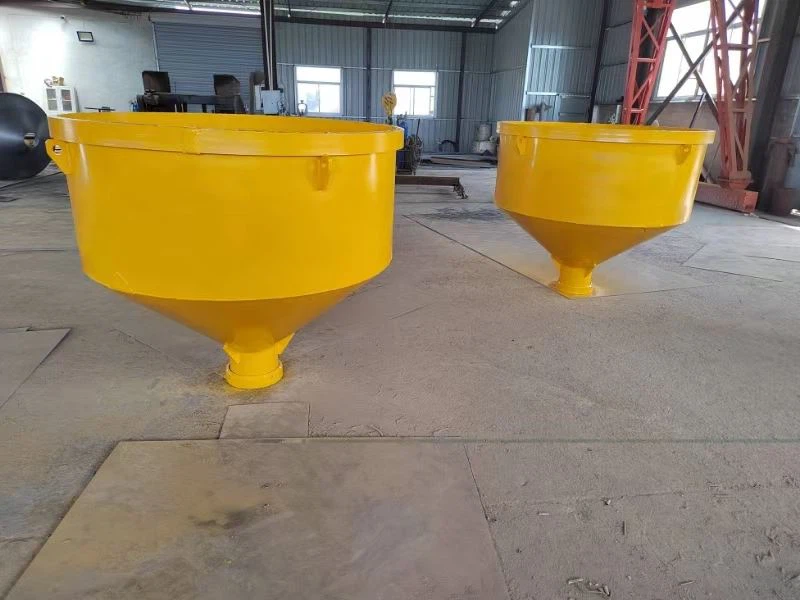
In addition to Threaded Tremie Pipes, we also offer other related products that are essential for a complete tremie system. You can check out our Tremie Hopper, which is used to receive and feed the concrete into the tremie pipe. The Tremie Hopper is designed to ensure a smooth and continuous flow of concrete into the pipe.
We also have Tremie Rack available. The Tremie Rack provides support for the tremie pipes, keeping them in place during the concrete placement process. It helps in maintaining the stability of the tremie system and ensures accurate concrete placement.
Another product in our range is the Wire Cable Tremie Pipe. Wire Cable Tremie Pipes are used in specific construction scenarios where flexibility is required. They are connected by wire cables, allowing for easy adjustment and movement during the concrete placement.

Contact for Procurement
If you're interested in our Threaded Tremie Pipes or any of our related products, we'd love to have a conversation with you. Our team of experts can provide you with detailed information about the products, their wear - resistance properties, and how they can fit into your construction project. Whether you're working on a small - scale or large - scale project, we have the right solutions for you. Reach out to us to start the procurement process and ensure the success of your construction project.
References
- ASTM International. (20XX). Standard Specifications for Steel Pipes Used in Construction.
- Construction Industry Institute. (20XX). Best Practices for Underwater Concrete Placement.
- Steel Manufacturers Association. (20XX). Properties and Applications of Alloy Steels.