

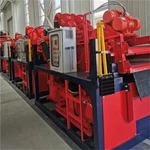

Hey there! As a casing drive supplier, I often get asked about the difference between hydraulic and mechanical casing drives. It's a topic that's crucial for anyone in the construction, oil and gas, or geotechnical industries, where these drives play a significant role. So, let's dive right in and break down the key differences between these two types of casing drives.
How They Work
First off, let's talk about how they operate. A mechanical casing drive, as the name suggests, relies on mechanical components to transfer power. It typically uses gears, shafts, and clutches to transmit torque from the power source, usually an engine or a motor, to the casing. This setup is pretty straightforward and has been around for a long time. The mechanical linkages are designed to handle high loads and provide a direct transfer of power.
On the other hand, a hydraulic casing drive uses hydraulic fluid to transfer power. It has a hydraulic pump that pressurizes the fluid, which then flows through hoses and valves to a hydraulic motor. The motor then converts the hydraulic energy back into mechanical energy to rotate the casing. This system offers a lot of flexibility in terms of power control and speed adjustment.
Power and Torque
When it comes to power and torque, both types have their strengths. Mechanical casing drives are known for their high torque capabilities. They can deliver a large amount of force in a single rotation, making them ideal for heavy-duty applications. For example, when you're working on a deep foundation project or drilling in hard rock, a mechanical drive can provide the necessary muscle to get the job done.
Hydraulic casing drives, however, offer more precise control over power and torque. You can easily adjust the pressure of the hydraulic fluid to increase or decrease the torque output. This makes them great for applications where you need to fine-tune the force, like in delicate geotechnical investigations or when working in areas with limited space.
Speed and Control
Speed is another important factor to consider. Mechanical casing drives usually have a fixed speed range determined by the gear ratios. Once you set the gears, the speed is pretty much set. This can be a drawback if you need to change the speed frequently during an operation.
Hydraulic casing drives, on the other hand, offer variable speed control. You can adjust the speed of the hydraulic motor by changing the flow rate of the hydraulic fluid. This means you can easily slow down or speed up the rotation of the casing depending on the requirements of the job. It gives you a lot more flexibility and control over the drilling process.
Maintenance and Durability
Maintenance is a big consideration for any equipment. Mechanical casing drives have a relatively simple design, which means they're generally easier to maintain. The mechanical components are accessible, and repairs can often be done on-site. However, because they have a lot of moving parts, there's a higher risk of wear and tear over time. Regular lubrication and inspection are essential to keep them in good working condition.
Hydraulic casing drives, on the other hand, have fewer moving parts, which reduces the risk of mechanical failure. However, the hydraulic system requires more specialized maintenance. You need to keep an eye on the hydraulic fluid level, quality, and pressure. Any leaks or contamination in the hydraulic system can cause serious problems and affect the performance of the drive.
Cost
Cost is always a factor when choosing equipment. Mechanical casing drives are usually less expensive upfront. They have a simpler design and fewer components, which means they're cheaper to manufacture. However, over time, the cost of maintenance and replacement parts can add up.
Hydraulic casing drives, on the other hand, are more expensive to purchase initially. The hydraulic system and the associated components are more complex and costly. However, they often have a longer lifespan and require less frequent maintenance, which can result in lower overall costs in the long run.
Applications
Both hydraulic and mechanical casing drives have their own set of applications. Mechanical casing drives are commonly used in large-scale construction projects, such as building foundations and bridge piers. They're also popular in the oil and gas industry for drilling wells in hard rock formations.
Hydraulic casing drives are often used in more specialized applications, such as geotechnical investigations, environmental drilling, and small-scale construction projects. Their precise control and variable speed capabilities make them ideal for these types of jobs.
The Right Choice for You
So, which type of casing drive is right for you? Well, it depends on your specific needs and requirements. If you're working on a large, heavy-duty project that requires high torque and a fixed speed, a mechanical casing drive might be the way to go. On the other hand, if you need more precise control, variable speed, and flexibility, a hydraulic casing drive could be a better choice.
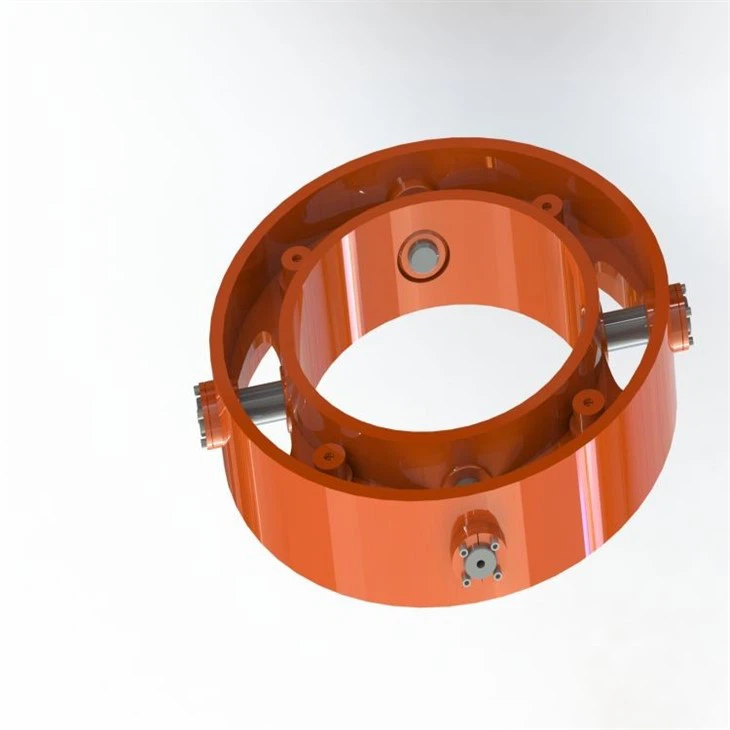
As a casing drive supplier, we offer a wide range of both hydraulic and mechanical casing drives to meet your needs. We also provide Bauer Casing Drive Adapter and Casing Drive Adapter to ensure compatibility with your existing equipment.
If you're still not sure which type of casing drive is right for your project, don't hesitate to reach out to us. Our team of experts is here to help you make the right decision. We can provide you with detailed information, product specifications, and even offer on-site demonstrations.
Whether you're a contractor, a drilling company, or an engineer, choosing the right casing drive is essential for the success of your project. So, take the time to consider your options and make an informed decision. And if you have any questions or need more information, feel free to contact us. We're here to help you every step of the way.

References
- Casing Drive Handbook, Industry Standard Publication
- Hydraulic and Mechanical Engineering Principles, Academic Textbook
- Case Studies in Casing Drive Applications, Industry Research Reports