


A casing joint is a crucial component in various industries, especially in the oil and gas, construction, and mining sectors. As a casing joint supplier, I have witnessed firsthand the diverse functions and significance of these components. In this blog, I will delve into the functions of a casing joint, exploring its role in different applications and highlighting its importance in ensuring the efficiency and safety of operations.
Structural Integrity and Support
One of the primary functions of a casing joint is to provide structural integrity and support to the overall system. In the oil and gas industry, for example, casing joints are used to line the wellbore, preventing it from collapsing and providing a stable environment for the extraction of hydrocarbons. The casing joint acts as a barrier between the wellbore and the surrounding rock formations, protecting the well from external pressures and ensuring the smooth flow of oil and gas.
In construction and mining, casing joints are used to support excavation and provide stability to the ground. They are often installed in boreholes or shafts to prevent soil or rock from collapsing, allowing for safe and efficient drilling and excavation operations. The casing joint also helps to maintain the shape and integrity of the borehole, ensuring that it remains open and accessible for further work.
Fluid Containment and Isolation
Another important function of a casing joint is to contain and isolate fluids within the system. In the oil and gas industry, casing joints are used to separate different zones within the wellbore, preventing the mixing of fluids and ensuring the efficient production of hydrocarbons. The casing joint acts as a barrier, preventing the migration of water, gas, or other fluids between different layers of the reservoir.
In addition to fluid containment, casing joints are also used to isolate the wellbore from the surrounding environment. This is particularly important in areas where there is a risk of contamination or environmental damage. By providing a sealed barrier, the casing joint helps to prevent the leakage of fluids into the surrounding soil or water, protecting the environment and ensuring compliance with regulatory requirements.
Pressure Control and Safety
Casing joints play a crucial role in pressure control and safety within the system. In the oil and gas industry, the casing joint is designed to withstand high pressures and temperatures, ensuring the safe and efficient operation of the well. The casing joint is typically made of high-strength steel or other materials that can withstand the harsh conditions of the wellbore.
In addition to withstanding high pressures, casing joints are also equipped with various safety features, such as blowout preventers and pressure relief valves. These features help to prevent the uncontrolled release of fluids and gases from the wellbore, reducing the risk of accidents and ensuring the safety of personnel and equipment.
Connection and Assembly
Casing joints are also used to connect and assemble different sections of casing within the wellbore. In the oil and gas industry, casing joints are typically threaded or welded together to form a continuous string of casing. The connection between the casing joints must be strong and reliable, ensuring the integrity of the casing string and preventing the leakage of fluids or gases.
In addition to providing a strong connection, casing joints are also designed to be easy to install and assemble. This helps to reduce the time and cost of well construction, allowing for more efficient and cost-effective operations.
Types of Casing Joints
There are several types of casing joints available, each designed for specific applications and requirements. Some of the most common types of casing joints include:
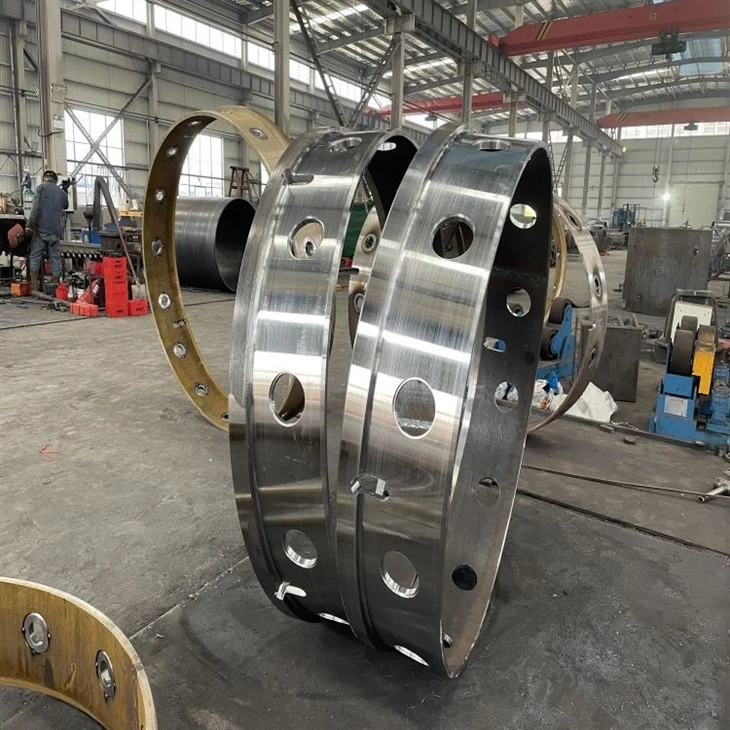
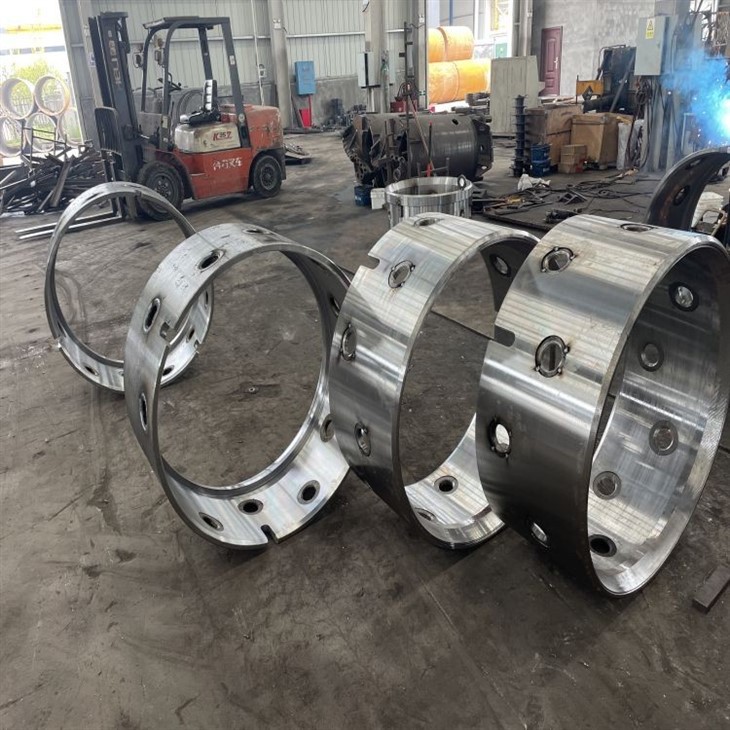
- Replaceable Casing Joint: This type of casing joint is designed to be easily replaced in the event of damage or wear. It is typically used in applications where the casing joint is subject to high levels of stress or abrasion. Replaceable Casing Joint
- 25crmo Casing Joint: This type of casing joint is made of 25CrMo steel, which is known for its high strength and corrosion resistance. It is typically used in applications where the casing joint is exposed to harsh environments or corrosive fluids. 25crmo Casing Joint
- Bauer Casing Joint: This type of casing joint is designed for use in Bauer drilling systems. It is typically used in applications where the casing joint needs to be able to withstand high levels of torque and rotation. Bauer Casing Joint
Conclusion
In conclusion, the function of a casing joint is multifaceted and crucial to the success of various industries. From providing structural integrity and support to containing and isolating fluids, casing joints play a vital role in ensuring the efficiency, safety, and reliability of operations. As a casing joint supplier, I am committed to providing high-quality casing joints that meet the specific needs and requirements of my customers. If you are in need of casing joints for your next project, please do not hesitate to contact me to discuss your options and explore how we can work together to achieve your goals.
References
- API Spec 5CT, Specification for Casing and Tubing
- ISO 11960, Petroleum and natural gas industries - Steel pipes for use as casing or tubing for wells
- NACE MR0175/ISO 15156, Petroleum and natural gas industries - Materials for use in H2S-containing environments in oil and gas production