

Hey there! As a Kelly bar supplier, I've had the chance to see firsthand the amazing capabilities of these tools, especially when it comes to drilling through hard rock layers. In this blog, I'm gonna break down what makes Kelly bars so effective in tough rock conditions and why they're a top choice for many construction and drilling projects.
What Exactly is a Kelly Bar?
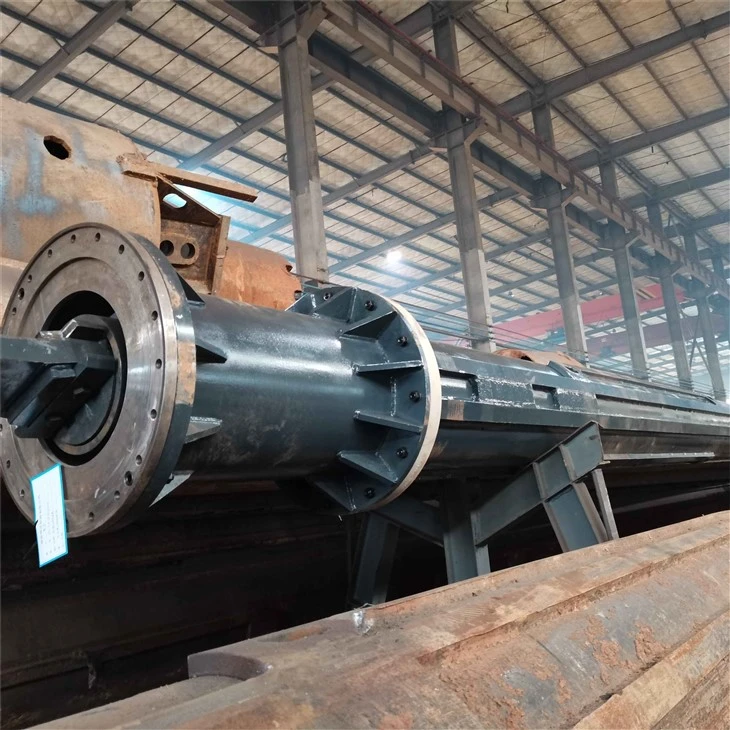
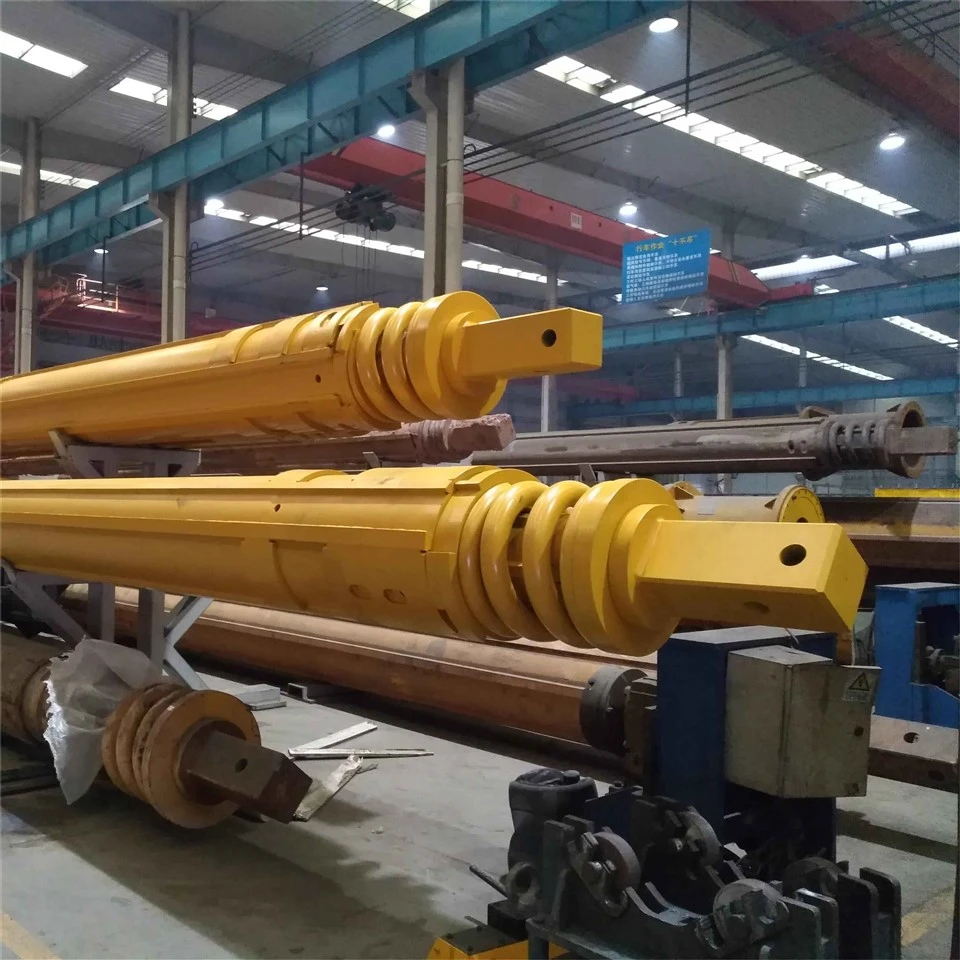
Before we dive into its rock - drilling abilities, let's quickly cover what a Kelly bar is. It's a crucial part of a drilling rig, basically a long, vertical shaft that transfers torque and weight from the rig to the drill bit. This connection allows the drill bit to do its job of boring into the ground. Kelly bars come in different types, like the 4 Elements Interlocking Kelly Bar, Mait Interlocking Kelly Bar, and Bauer Interlocking Kelly Bar. Each type has its own unique features, but they all share the common goal of making drilling easier and more efficient.
How Does a Kelly Bar Drill Through Hard Rock?
1. Torque Transfer
One of the key factors in drilling through hard rock is the ability to transfer a large amount of torque from the rig to the drill bit. Kelly bars are designed to handle high - torque loads. The interlocking design of many Kelly bars, like the ones I mentioned above, ensures a solid connection between the rig and the drill bit. This means that the power generated by the rig can be effectively transferred to the bit, allowing it to break through the tough rock. For example, when using a Bauer Interlocking Kelly Bar, the precise interlocking mechanism reduces any loss of torque during the transfer process, giving the drill bit the maximum amount of power it needs to cut through hard rock.
2. Weight Distribution
Another important aspect is weight distribution. Drilling through hard rock requires a significant amount of downward force. Kelly bars are engineered to distribute the weight of the rig evenly along the length of the bar and onto the drill bit. This even distribution of weight helps the drill bit maintain contact with the rock surface and apply consistent pressure. The 4 Elements Interlocking Kelly Bar, for instance, has a well - balanced design that ensures the weight is transferred smoothly, preventing the drill bit from bouncing off the rock and allowing for more efficient drilling.
3. Material and Construction
The materials used in making Kelly bars also play a huge role in their ability to drill through hard rock. High - strength steel is commonly used because it can withstand the extreme forces and stresses involved in rock drilling. The bars are often heat - treated to increase their hardness and durability. Additionally, the construction of the Kelly bar is designed to resist wear and tear. The interlocking parts are precision - machined to ensure a tight fit, which not only helps with torque transfer but also reduces the risk of damage to the bar during operation.
Advantages of Using a Kelly Bar for Hard Rock Drilling
1. Efficiency
Kelly bars can significantly increase the efficiency of hard rock drilling. With their ability to transfer torque and distribute weight effectively, they allow the drill bit to penetrate the rock faster. This means that projects can be completed in less time, saving both time and money. For example, in a large - scale construction project where deep foundation drilling in hard rock is required, using a Mait Interlocking Kelly Bar can cut down the drilling time by a significant margin compared to other drilling methods.
2. Versatility
Kelly bars are versatile tools that can be used in a variety of hard rock conditions. Whether it's granite, limestone, or basalt, a well - designed Kelly bar can adapt to different types of rock. This versatility makes them a popular choice for drilling contractors who may encounter different rock formations on different projects. They can simply adjust the drilling parameters and use the appropriate Kelly bar for the specific rock type.
3. Precision
When drilling in hard rock, precision is crucial. Kelly bars provide a high level of control over the drilling process. The interlocking design allows for accurate positioning of the drill bit, ensuring that the hole is drilled exactly where it needs to be. This precision is especially important in projects such as building foundations or geothermal drilling, where the location and depth of the holes are critical.
Real - World Examples
Let's take a look at some real - world examples of how Kelly bars have been used to drill through hard rock. In a recent bridge construction project, the foundation had to be drilled into a layer of hard granite. The drilling contractor chose to use a Bauer Interlocking Kelly Bar. Thanks to its excellent torque transfer and weight distribution capabilities, the drill bit was able to penetrate the granite quickly and efficiently. The project was completed ahead of schedule, and the quality of the drilled holes met all the engineering requirements.
In another case, a geothermal energy project required drilling deep into a limestone formation. The 4 Elements Interlocking Kelly Bar was used. Its balanced design and high - strength construction allowed for smooth and precise drilling. The project was able to collect accurate data about the geothermal resources, which was essential for the successful development of the energy project.
Choosing the Right Kelly Bar for Hard Rock Drilling
When it comes to choosing the right Kelly bar for hard rock drilling, there are a few things to consider. First, you need to think about the type of rock you'll be drilling through. Different rocks have different hardness levels and characteristics, so you'll need a Kelly bar that's suitable for the specific rock type. Second, consider the depth and diameter of the hole you need to drill. Larger holes and greater depths may require a more heavy - duty Kelly bar.
It's also important to choose a reliable supplier. As a Kelly bar supplier, I can tell you that quality matters. A well - made Kelly bar will last longer, perform better, and save you money in the long run. Make sure to look for a supplier who offers a variety of Kelly bar types and has a good reputation for quality and customer service.
Conclusion
In conclusion, Kelly bars are incredibly capable tools when it comes to drilling through hard rock layers. Their ability to transfer torque, distribute weight, and withstand the extreme conditions of rock drilling makes them a top choice for many construction and drilling projects. Whether you're working on a small - scale residential project or a large - scale infrastructure development, a Kelly bar can help you get the job done efficiently and effectively.
If you're in the market for a Kelly bar for your hard rock drilling project, I'd love to have a chat with you. We can discuss your specific needs and find the perfect Kelly bar for your job. Don't hesitate to reach out and start the conversation about your drilling requirements.
References
- Drilling Equipment Handbook, 3rd Edition
- Journal of Rock Mechanics and Geotechnical Engineering