

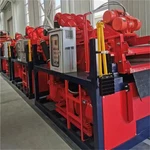

What is the lifespan of a slurry desander?
As a supplier of Slurry Desander, I often get asked about the lifespan of these essential pieces of equipment. Understanding the factors that influence the lifespan of a slurry desander is crucial for both our customers and us. In this blog, I will delve into the various elements that determine how long a slurry desander can operate effectively and offer some tips on how to extend its useful life.
Understanding the Basics of a Slurry Desander
Before we discuss the lifespan, let's briefly review what a slurry desander is and how it works. A slurry desander is a hydrocyclone-based device used in various industries, such as mining, oil and gas, and wastewater treatment. Its primary function is to separate solid particles from a liquid slurry by using centrifugal force. The slurry is fed into the desander at high speed, and the centrifugal force causes the heavier solid particles to move towards the outer wall of the cyclone and be discharged through the underflow, while the lighter liquid and finer particles exit through the overflow.

Factors Affecting the Lifespan of a Slurry Desander
1. Quality of Materials
The materials used in the construction of a slurry desander play a significant role in determining its lifespan. High-quality materials, such as wear-resistant ceramics or special alloys, can withstand the abrasive nature of the slurry and resist corrosion. For example, a desander made with a ceramic inner lining will generally have a longer lifespan compared to one made with a standard steel lining. The ceramic lining is highly resistant to wear, reducing the rate of erosion caused by the constant flow of abrasive particles in the slurry.
2. Operating Conditions
The operating conditions of a slurry desander have a direct impact on its lifespan. Factors such as the concentration of solids in the slurry, the size and hardness of the particles, and the flow rate can all affect the wear and tear on the equipment. A slurry with a high concentration of large and hard particles will cause more rapid wear on the desander than a slurry with a lower concentration of finer particles. Similarly, operating the desander at a higher flow rate than its design capacity can increase the stress on the components and lead to premature failure.

3. Maintenance and Care
Proper maintenance and care are essential for extending the lifespan of a slurry desander. Regular inspections should be conducted to check for signs of wear, such as erosion, cracks, or leaks. Any damaged components should be replaced promptly to prevent further damage to the equipment. Additionally, the desander should be cleaned regularly to remove any accumulated solids that could cause blockages or affect its performance. Following the manufacturer's recommended maintenance schedule is crucial for ensuring the long-term reliability of the desander.

4. Installation and Alignment
Correct installation and alignment of the slurry desander are also important factors in its lifespan. If the desander is not installed properly, it can cause uneven wear on the components and lead to premature failure. The desander should be installed on a stable foundation and aligned correctly to ensure that the slurry flows smoothly through the cyclone. Improper alignment can cause the slurry to flow in an irregular pattern, increasing the wear on the walls of the cyclone and reducing the efficiency of the separation process.
Typical Lifespan of a Slurry Desander
The lifespan of a slurry desander can vary widely depending on the factors mentioned above. In general, a well-designed and properly maintained slurry desander can last anywhere from 5 to 15 years. However, in some cases, where the operating conditions are particularly harsh or the maintenance is neglected, the lifespan may be significantly shorter.
For example, in a mining operation where the slurry contains a high concentration of abrasive particles, the desander may need to have its wear parts replaced every 1 to 2 years. On the other hand, in a wastewater treatment plant where the slurry is less abrasive, the desander may operate for 10 to 15 years without major issues.
Tips for Extending the Lifespan of a Slurry Desander
1. Choose the Right Desander
Selecting the appropriate slurry desander for your specific application is crucial. Consider factors such as the characteristics of the slurry, the required flow rate, and the separation efficiency. Working with a reputable supplier, like us, can help you choose the desander that is best suited to your needs and ensure that it is designed to withstand the operating conditions.
2. Optimize Operating Conditions
Try to optimize the operating conditions of the slurry desander to reduce wear and tear. This may involve adjusting the flow rate, reducing the concentration of solids in the slurry, or using pre-treatment methods to remove larger particles before they enter the desander. By minimizing the abrasive impact on the desander, you can extend its lifespan.
3. Implement a Regular Maintenance Program
Establish a comprehensive maintenance program for the slurry desander. This should include regular inspections, cleaning, and replacement of worn components. Keep detailed records of all maintenance activities to track the performance of the desander over time and identify any potential issues early.
4. Train Your Staff
Ensure that your staff is properly trained on the operation and maintenance of the slurry desander. They should understand the importance of following the recommended procedures and be able to recognize the signs of potential problems. Well-trained staff can help prevent costly breakdowns and ensure the long-term reliability of the equipment.
Conclusion
In conclusion, the lifespan of a slurry desander is influenced by a variety of factors, including the quality of materials, operating conditions, maintenance, and installation. By understanding these factors and taking appropriate measures to address them, you can extend the lifespan of your slurry desander and ensure its reliable performance over the long term.
If you are in the market for a Slurry Desander or Mud Desander, we are here to help. Our team of experts can assist you in selecting the right equipment for your specific application and provide you with the support and guidance you need to ensure its optimal performance. Contact us today to start a conversation about your requirements and explore how our products can meet your needs.
References
- "Hydrocyclone Technology and Applications" - A comprehensive guide on hydrocyclone design, operation, and maintenance.
- Industry standards and guidelines related to slurry handling and separation equipment.