

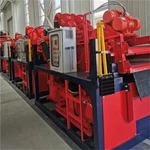

What is the maintenance method of a Mud Desander?
As a supplier of Mud Desanders, I've witnessed firsthand the importance of proper maintenance in ensuring the longevity and efficiency of these crucial pieces of equipment. Mud desanders play a vital role in various industries, especially in the oil and gas sector, where they are used to separate solids from drilling mud, helping to maintain the quality of the mud and protect downstream equipment. In this blog, I'll share some essential maintenance methods for Mud Desanders based on my years of experience in the industry.
Regular Inspection
One of the most fundamental maintenance tasks for a Mud Desander is regular inspection. This should be done on a scheduled basis, depending on the frequency of use and the operating conditions. During an inspection, you should visually examine the entire unit, including the inlet and outlet pipes, the hydrocyclone cones, and the support structure.
Check for any signs of wear and tear, such as cracks, leaks, or corrosion. Pay close attention to the hydrocyclone cones, as these are the most critical components of the desander. Any damage to the cones can significantly affect the separation efficiency of the unit. If you notice any issues during the inspection, it's important to address them immediately to prevent further damage.
Inspect the inlet and outlet pipes for blockages or obstructions. Over time, solids can accumulate in the pipes, reducing the flow rate and affecting the performance of the desander. Use a pipe inspection camera or other suitable tools to check the interior of the pipes and remove any blockages if necessary.
Cleaning
Regular cleaning is another essential maintenance task for a Mud Desander. Over time, solids and other contaminants can build up inside the unit, reducing its efficiency and potentially causing damage. To clean the desander, start by shutting off the power and isolating the unit from the rest of the system.
Flush the unit with clean water to remove any loose solids and debris. You can use a high-pressure water jet or a dedicated cleaning system to ensure thorough cleaning. Pay special attention to the hydrocyclone cones, as these are prone to clogging. Use a soft brush or other suitable tools to clean the interior of the cones and remove any stubborn deposits.
Clean the inlet and outlet pipes using a pipe cleaner or other suitable tools. Make sure to remove any accumulated solids or debris from the pipes to ensure proper flow. After cleaning, rinse the unit thoroughly with clean water to remove any remaining cleaning agents or debris.
Lubrication
Proper lubrication is crucial for the smooth operation of a Mud Desander. The moving parts of the unit, such as the bearings and seals, require regular lubrication to reduce friction and prevent wear. Refer to the manufacturer's recommendations for the type and frequency of lubrication.
Use a high-quality lubricant that is suitable for the operating conditions of the desander. Apply the lubricant to the designated lubrication points using a grease gun or other suitable tools. Make sure to follow the manufacturer's instructions for the correct amount of lubricant to use.
Regularly check the lubrication levels and top up as needed. Over-lubrication can also cause problems, so it's important to use the correct amount of lubricant. If you notice any signs of excessive wear or damage to the lubricated parts, replace them immediately to prevent further damage.
Replacement of Wear Parts
Over time, certain parts of the Mud Desander will wear out and need to be replaced. The hydrocyclone cones, in particular, are subject to significant wear due to the high-velocity flow of the drilling mud and the abrasive nature of the solids. Regularly inspect the cones for signs of wear and replace them when necessary.
Other wear parts that may need to be replaced include the inlet and outlet pipes, the seals, and the bearings. Keep a stock of spare parts on hand to minimize downtime in case of a breakdown. When replacing wear parts, make sure to use genuine parts that are compatible with the desander to ensure optimal performance.
Calibration and Testing
Periodically calibrate and test the Mud Desander to ensure that it is operating at its optimal performance. Calibration involves adjusting the settings of the unit to ensure accurate separation of solids from the drilling mud. Refer to the manufacturer's instructions for the calibration procedure.
Test the desander using a representative sample of the drilling mud to evaluate its performance. Measure the separation efficiency, the flow rate, and other relevant parameters to ensure that the unit is meeting the required specifications. If the performance of the desander is not satisfactory, adjust the settings or replace the worn parts as needed.
Training and Education
Proper training and education of the operators are essential for the effective maintenance of a Mud Desander. Make sure that the operators are familiar with the operation and maintenance procedures of the unit. Provide them with comprehensive training on how to inspect, clean, lubricate, and replace wear parts.
Encourage the operators to report any issues or abnormalities with the desander immediately. Regularly review the maintenance procedures with the operators to ensure that they are following the best practices. By investing in training and education, you can improve the reliability and performance of the Mud Desander and reduce the risk of breakdowns.
Conclusion
Proper maintenance is crucial for the longevity and efficiency of a Mud Desander. By following the maintenance methods outlined in this blog, you can ensure that your desander operates at its optimal performance and provides reliable service for years to come. Remember to conduct regular inspections, clean the unit regularly, lubricate the moving parts, replace the wear parts as needed, calibrate and test the desander, and provide proper training and education to the operators.
If you are in the market for a high-quality Mud Desander or need further assistance with maintenance and support, please don't hesitate to [contact us for procurement and negotiation]. Our team of experts is ready to help you find the right solution for your specific needs.
For more information about our Slurry Desander and Mud Desander products, please visit our website.


References
- Manufacturer's manuals and technical documentation for Mud Desanders.
- Industry standards and best practices for the maintenance of separation equipment.
- Personal experience and expertise in the field of Mud Desander supply and maintenance.