

As a supplier of Tremie Racks, I often encounter inquiries about the monitoring system of a Tremie Rack. In this blog post, I will delve into what the monitoring system of a Tremie Rack is, its importance, and how it contributes to the overall efficiency and safety of construction projects.
What is a Tremie Rack?
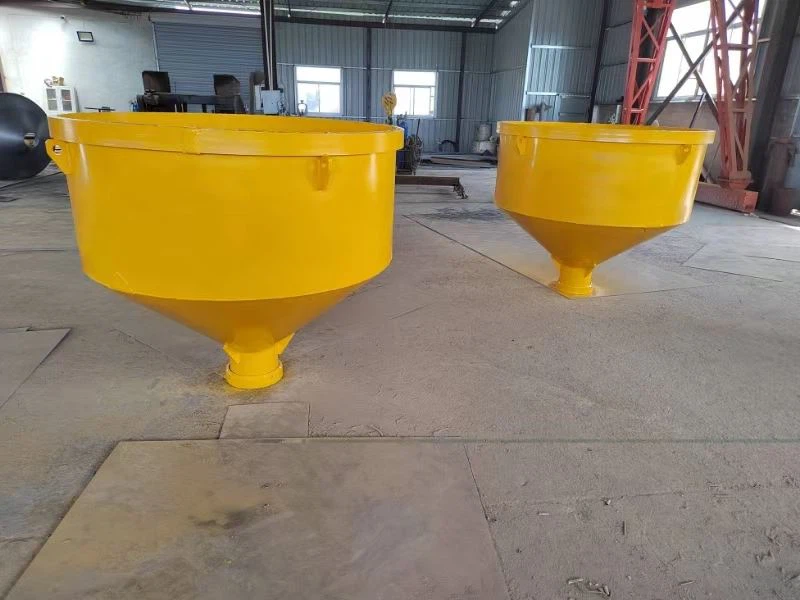
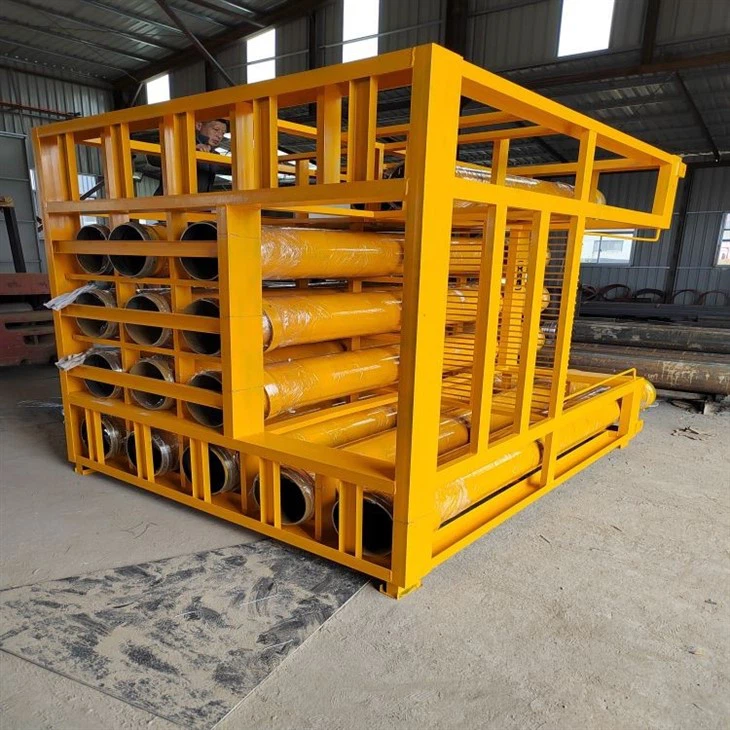
Before we dive into the monitoring system, let's briefly understand what a Tremie Rack is. A Tremie Rack is an essential piece of equipment in construction, especially in projects involving the pouring of concrete underwater or in deep foundations. It consists of a series of pipes, typically made of steel, that are connected together to form a conduit for the concrete to flow from the surface to the desired location below. The system includes components such as Tremie Coupling Cable, Wire Cable Tremie Pipe, and Tremie Hopper. The Tremie Hopper is used to hold the concrete at the surface, while the Tremie Pipe transports it down to the placement area. The Tremie Coupling Cable ensures a secure connection between the pipes, and the Wire Cable Tremie Pipe provides the necessary strength and flexibility.
The Role of a Monitoring System
The monitoring system of a Tremie Rack is designed to oversee and manage the entire concrete pouring process. It plays a crucial role in ensuring that the concrete is delivered accurately, efficiently, and safely. Here are some of the key functions of the monitoring system:
1. Flow Rate Monitoring
One of the primary functions of the monitoring system is to measure the flow rate of the concrete through the Tremie Pipe. Maintaining a consistent flow rate is essential for achieving a uniform and high - quality concrete placement. If the flow rate is too slow, the concrete may start to set before reaching the desired location, leading to blockages and a poor - quality pour. On the other hand, if the flow rate is too fast, it can cause turbulence and result in the entrapment of air bubbles, which can weaken the concrete structure. The monitoring system uses sensors to measure the flow rate and can provide real - time feedback to the operators, allowing them to adjust the pouring speed accordingly.
2. Pressure Monitoring
Another critical aspect of the monitoring system is pressure monitoring. As the concrete is pumped through the Tremie Pipe, it creates pressure within the system. Excessive pressure can cause the pipes to burst or leak, which can be extremely dangerous for the workers and can also lead to significant delays and additional costs. The monitoring system continuously measures the pressure inside the pipes and alerts the operators if the pressure exceeds the safe limits. This allows the operators to take immediate action, such as reducing the pumping speed or checking for blockages.
3. Depth and Position Monitoring
The monitoring system also helps in determining the depth and position of the Tremie Pipe. Accurate depth and position information are crucial for ensuring that the concrete is placed at the correct location. In underwater construction projects, for example, the monitoring system uses sonar or other depth - measuring devices to determine the depth of the pipe. It can also use GPS or other positioning systems to track the horizontal position of the pipe. This information is then used to guide the operators in adjusting the position of the Tremie Rack to ensure precise concrete placement.
4. Temperature Monitoring
Concrete temperature can have a significant impact on its setting time and strength. The monitoring system can measure the temperature of the concrete as it is being poured. Extreme temperatures can cause the concrete to set too quickly or too slowly, which can affect the quality of the final structure. By monitoring the temperature, the operators can take appropriate measures, such as adjusting the mix design or using temperature - control equipment, to ensure that the concrete sets at the optimal rate.
Components of the Monitoring System
The monitoring system of a Tremie Rack typically consists of the following components:
1. Sensors
Sensors are the heart of the monitoring system. They are responsible for collecting data on various parameters such as flow rate, pressure, depth, position, and temperature. There are different types of sensors used in the monitoring system, including flow sensors, pressure sensors, depth sensors, GPS sensors, and temperature sensors. These sensors are strategically placed throughout the Tremie Rack system to ensure accurate data collection.
2. Data Acquisition Unit (DAU)
The Data Acquisition Unit is used to collect and process the data from the sensors. It converts the analog signals from the sensors into digital data that can be easily analyzed. The DAU also stores the data for future reference and can transmit it to other parts of the monitoring system or to a central control station.
3. Display and Control Panel
The display and control panel provides a user - friendly interface for the operators to view the real - time data and control the monitoring system. It shows the values of the monitored parameters, such as flow rate, pressure, and temperature, and allows the operators to set the desired thresholds and alarms. The operators can also use the control panel to adjust the pouring speed, pump pressure, and other operating parameters.
4. Communication System
The communication system is used to transmit the data from the DAU to the central control station or to other devices. It can use wired or wireless communication technologies, such as Ethernet, Wi - Fi, or cellular networks. The communication system ensures that the operators can access the data remotely and can make informed decisions even if they are not physically present at the construction site.
Benefits of a Monitoring System
Implementing a monitoring system for a Tremie Rack offers several benefits:
1. Improved Quality
By ensuring a consistent flow rate, pressure, and temperature, the monitoring system helps to produce high - quality concrete placements. This leads to stronger and more durable structures, reducing the risk of structural failures and the need for costly repairs in the future.
2. Enhanced Safety
Monitoring the pressure and other parameters helps to prevent accidents such as pipe bursts and leaks. It also provides real - time information to the operators, allowing them to take immediate action in case of any emergencies, thereby enhancing the safety of the workers on the construction site.
3. Increased Efficiency
The monitoring system allows for precise control of the concrete pouring process, reducing the time and resources required for the project. By optimizing the flow rate and other parameters, it can minimize the amount of wasted concrete and improve the overall productivity of the construction process.
4. Better Record - Keeping
The data collected by the monitoring system can be used for record - keeping purposes. It provides a detailed history of the concrete pouring process, including the flow rate, pressure, temperature, and other parameters. This information can be valuable for quality control, regulatory compliance, and future project planning.
Conclusion
In conclusion, the monitoring system of a Tremie Rack is an indispensable part of modern construction projects. It ensures the accurate, efficient, and safe delivery of concrete in various construction applications, especially in underwater and deep - foundation projects. As a Tremie Rack supplier, we understand the importance of a reliable monitoring system and offer high - quality Tremie Racks equipped with advanced monitoring technology.
If you are interested in learning more about our Tremie Racks and their monitoring systems or if you are looking to purchase these products for your next construction project, we encourage you to reach out to us. Our team of experts is ready to assist you with all your inquiries and help you find the best solutions for your specific needs.
References
- Concrete Construction Handbook, 5th Edition
- Construction Equipment and Technology Journal, Vol. 15, No. 3
- Underwater Construction Best Practices Guide