

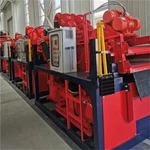

What is the operating cost of a desander?
As a desander supplier, I often get asked about the operating cost of a desander. Understanding the operating cost is crucial for businesses that rely on these machines for their operations, whether it's in the oil and gas industry, mining, or wastewater treatment. In this blog post, I'll break down the various components that contribute to the operating cost of a desander and provide some insights on how to manage these costs effectively.
1. Initial Purchase Cost
The first and most obvious cost is the initial purchase price of the desander. The cost can vary significantly depending on the type, size, and features of the desander. For instance, a simple Mud Desander designed for small - scale operations may cost a few thousand dollars, while a large - scale, high - performance Slurry Desander used in industrial applications can cost tens of thousands of dollars or more.
When considering the purchase cost, it's important to look beyond the sticker price. A more expensive desander may offer better efficiency, durability, and performance, which can lead to long - term cost savings. Factors such as the quality of materials, the design of the hydrocyclone (a key component in desanders), and the reputation of the manufacturer should all be taken into account.
2. Energy Consumption
Desanders typically require energy to operate, mainly to power the pumps that move the fluid through the system. The energy consumption depends on the size of the desander, the flow rate of the fluid, and the pressure required for efficient separation.
Larger desanders with higher flow rates generally consume more energy. For example, in a mining operation where large volumes of slurry need to be processed, the pumps associated with the desander can be quite power - hungry. To reduce energy costs, it's important to choose a desander with an efficient pump system. Some modern desanders are designed with energy - saving features, such as variable - speed drives that can adjust the pump speed according to the actual flow requirements.
Additionally, regular maintenance of the pumps, including checking for leaks, cleaning the impellers, and ensuring proper alignment, can also help to optimize energy consumption. A well - maintained pump will operate more efficiently, reducing the overall energy cost of the desander.
3. Maintenance and Repair Costs
Like any industrial equipment, desanders require regular maintenance to ensure optimal performance and longevity. Maintenance costs can include routine inspections, replacement of wear parts, and lubrication.
The hydrocyclones in a desander are particularly prone to wear, especially when dealing with abrasive materials such as sand and gravel. Over time, the internal walls of the hydrocyclones can erode, which can affect the separation efficiency. Replacing worn hydrocyclones is a common maintenance cost. Other wear parts that may need to be replaced include seals, gaskets, and pump impellers.
In addition to routine maintenance, unexpected breakdowns can also occur, leading to repair costs. To minimize these costs, it's important to have a preventive maintenance plan in place. This can involve regular inspections by trained technicians, following the manufacturer's recommended maintenance schedule, and keeping a stock of common replacement parts on hand.
4. Labor Costs
Operating a desander also incurs labor costs. This includes the time spent by operators to monitor the desander, adjust the settings, and perform basic maintenance tasks. In some cases, specialized training may be required for operators to ensure they can operate the desander safely and efficiently.
The labor cost can vary depending on the complexity of the desander and the level of automation. More automated desanders may require less direct operator intervention, reducing labor costs. However, even with automated systems, some level of human supervision is still necessary to ensure everything is running smoothly.
5. Disposal of Separated Material
Once the desander has separated the sand or other solid particles from the fluid, the separated material needs to be disposed of properly. The disposal cost depends on the type of material, the volume, and the local regulations.
In some cases, the separated sand can be reused in other processes, such as in construction or as a filler material. This can significantly reduce the disposal cost. However, if the material is contaminated or cannot be reused, it may need to be disposed of in a landfill or through other approved methods, which can be expensive.
Strategies to Manage Operating Costs
- Optimize the System Design: Work with a professional engineer or the desander manufacturer to design a system that is tailored to your specific needs. This can ensure that the desander is the right size and configuration for your application, reducing unnecessary energy consumption and maintenance costs.
- Invest in Quality Equipment: While it may be tempting to choose the cheapest desander on the market, investing in a high - quality product from a reputable manufacturer can save money in the long run. Quality desanders are more likely to be energy - efficient, have fewer breakdowns, and require less maintenance.
- Implement a Preventive Maintenance Program: As mentioned earlier, regular maintenance can help to prevent costly breakdowns and optimize the performance of the desander. Develop a detailed maintenance schedule and ensure that it is followed consistently.
- Train Your Operators: Well - trained operators can operate the desander more efficiently, reducing energy consumption and minimizing the risk of damage. Provide comprehensive training on the operation, maintenance, and safety procedures of the desander.
Conclusion
The operating cost of a desander is composed of multiple factors, including the initial purchase cost, energy consumption, maintenance and repair costs, labor costs, and disposal costs. By understanding these components and implementing strategies to manage them effectively, businesses can reduce the overall operating cost of their desanders.


If you're in the market for a desander or looking to optimize the operating cost of your existing desander, I encourage you to reach out to us. As a leading desander supplier, we have the expertise and experience to help you find the right solution for your specific needs. Our team of experts can provide you with detailed information on the operating cost of different desanders, as well as advice on how to manage these costs. Contact us today to start a discussion about your desander requirements and explore how we can help you achieve cost - effective operations.
References
- Smith, J. (2018). Industrial Equipment Maintenance and Cost Management. Publisher XYZ.
- Johnson, R. (2019). Energy - Efficient Solutions for Fluid Processing Equipment. Journal of Industrial Engineering, 25(3), 123 - 135.
- Brown, A. (2020). Best Practices in Desander Operation and Maintenance. Mining Technology Review, 45(2), 78 - 85.