


Soil drilling buckets are essential tools in the construction and geotechnical engineering industries, used for excavating soil, sand, and other loose materials. To understand the power source required for a soil drilling bucket, we must first examine its design, function, and the various types available in the market. As a soil drilling bucket supplier, I have witnessed firsthand the diverse needs of our clients and the importance of matching the right power source to the drilling equipment.
Types of Soil Drilling Buckets
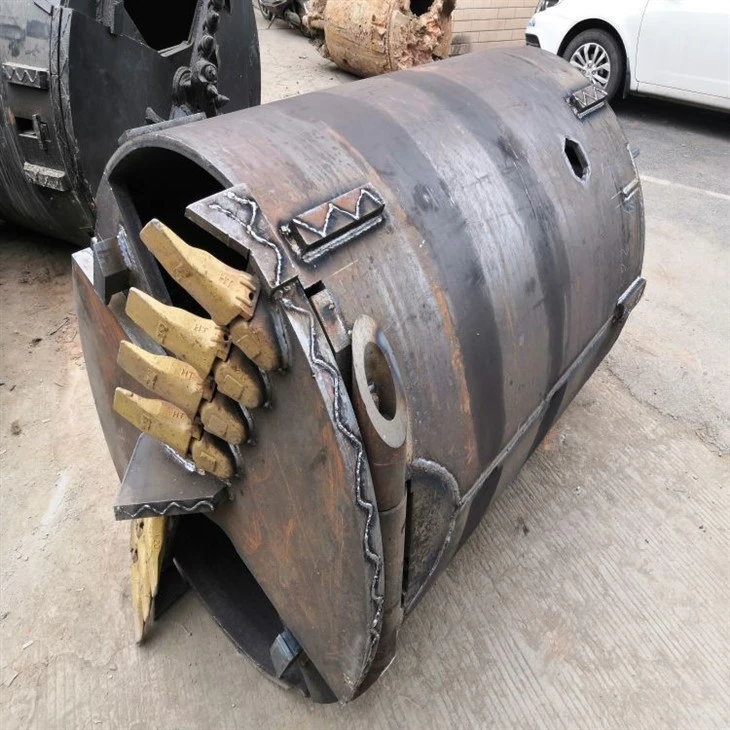
There are several types of soil drilling buckets, each designed for specific applications and soil conditions. The Rotary Rig Soil Drilling Bucket is one of the most common types. It is typically used with a rotary drilling rig and is suitable for a wide range of soil types, including clay, sand, and gravel. The bucket is attached to the rig's kelly bar and rotates as it is lowered into the ground, cutting and collecting soil.
The Double Cut Soil Drilling Bucket is another popular option. This type of bucket has two cutting edges, which allows for more efficient excavation and better soil collection. It is often used in softer soil conditions where a higher rate of penetration is required.
The Big Diameter Soil Drilling Bucket is designed for large-scale projects that require the excavation of a large volume of soil. These buckets can have diameters ranging from several feet to over ten feet, depending on the specific requirements of the project.
Power Sources for Soil Drilling Buckets
The power source for a soil drilling bucket is typically provided by the drilling rig to which it is attached. There are several types of drilling rigs, each with its own power system. The most common types of power sources for drilling rigs include:
Diesel Engines
Diesel engines are the most widely used power source for drilling rigs. They are known for their high torque and power output, which makes them suitable for heavy-duty drilling operations. Diesel engines can provide the necessary power to rotate the drilling bucket and penetrate through various soil layers. They are also relatively fuel-efficient and can operate for extended periods without refueling.
Electric Motors
Electric motors are becoming increasingly popular as a power source for drilling rigs, especially in urban areas where noise and emissions are a concern. Electric motors are quieter and produce fewer emissions than diesel engines, making them a more environmentally friendly option. They are also more efficient in terms of power consumption, which can result in cost savings over the long term. However, electric motors require a reliable source of electricity, which may not be available at all job sites.
Hydraulic Systems
Hydraulic systems are used in many drilling rigs to provide the power for the drilling bucket. Hydraulic power is generated by a hydraulic pump, which is typically driven by a diesel engine or an electric motor. The hydraulic system uses pressurized fluid to transfer power to the various components of the drilling rig, including the rotation and lifting mechanisms of the drilling bucket. Hydraulic systems offer several advantages, including high power density, precise control, and the ability to handle heavy loads.
Factors Affecting the Power Requirement
The power requirement for a soil drilling bucket depends on several factors, including the type of soil, the diameter and depth of the hole, the speed of rotation, and the efficiency of the drilling rig.
Soil Type
Different soil types have different characteristics, such as density, cohesion, and friction. Harder and more compact soils, such as rock and hard clay, require more power to penetrate than softer soils, such as sand and silt. The presence of gravel or other large particles in the soil can also increase the power requirement.
Hole Diameter and Depth
The diameter and depth of the hole being drilled have a significant impact on the power requirement. Larger diameter holes require more torque to rotate the drilling bucket, while deeper holes require more power to lift the soil out of the hole. As the diameter and depth of the hole increase, the power requirement increases exponentially.

Rotation Speed
The speed at which the drilling bucket rotates also affects the power requirement. Higher rotation speeds generally result in faster penetration rates but require more power. However, if the rotation speed is too high, it can cause the soil to become compacted around the drilling bucket, reducing its efficiency and increasing the power requirement.

Drilling Rig Efficiency
The efficiency of the drilling rig itself plays a crucial role in determining the power requirement. A well-maintained and properly calibrated drilling rig will require less power to operate than a poorly maintained or inefficient rig. Factors such as the condition of the drill bits, the alignment of the kelly bar, and the performance of the hydraulic system can all affect the efficiency of the drilling rig.
Matching the Power Source to the Drilling Bucket
As a soil drilling bucket supplier, it is our responsibility to ensure that our clients choose the right power source for their specific drilling needs. We work closely with our clients to understand their project requirements, including the type of soil, the hole diameter and depth, and the desired drilling speed. Based on this information, we can recommend the most suitable drilling rig and power source combination.
When selecting a power source, it is important to consider not only the power requirement but also other factors such as cost, reliability, and environmental impact. Diesel engines are a popular choice for many applications due to their high power output and reliability, but they can be more expensive to operate and maintain than electric motors. Electric motors are a more environmentally friendly option but require a reliable source of electricity. Hydraulic systems offer a good balance of power and control but can be complex and expensive to install and maintain.
Conclusion
In conclusion, the power source required for a soil drilling bucket depends on several factors, including the type of soil, the hole diameter and depth, the rotation speed, and the efficiency of the drilling rig. As a soil drilling bucket supplier, we understand the importance of matching the right power source to the drilling equipment to ensure optimal performance and efficiency. Whether you are working on a small residential project or a large-scale commercial development, we can provide you with the expertise and products you need to get the job done right.

If you are interested in learning more about our soil drilling buckets or need assistance in selecting the right power source for your project, please feel free to contact us. We look forward to working with you and helping you achieve your drilling goals.
References
- "Drilling Rig Handbook" by John Doe
- "Geotechnical Engineering Principles and Practices" by Jane Smith
- "Soil Mechanics and Foundation Engineering" by Robert Johnson