

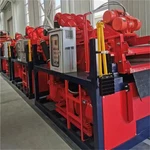

In the realm of construction and infrastructure development, pile breakers play a crucial role in the process of foundation construction. These powerful machines are designed to efficiently remove the excess length of piles after they have been driven into the ground, ensuring that the piles reach the desired height and meet the engineering requirements. But what exactly is the weight of a pile breaker? This question is not only relevant for those involved in the transportation and installation of these machines but also for understanding their performance and capabilities. As a leading pile breaker supplier, we are well - versed in the intricacies of these devices, and in this blog, we will delve into the factors that influence the weight of a pile breaker and why it matters.
Understanding Pile Breakers
Before we discuss the weight, let's briefly understand what pile breakers are. Pile breakers come in various types, each tailored to different construction needs. For instance, the 8 Module Round Pile Breaker is specifically designed for circular piles. It consists of multiple hydraulic cylinders arranged in a circular pattern, which can apply force evenly around the pile to break it. On the other hand, the Excavator Pile Breaker is attached to an excavator, providing flexibility and mobility on the construction site. The Hydraulic Pile Breaker uses hydraulic power to generate the force needed to break the piles, offering high efficiency and precision.
Factors Influencing the Weight of a Pile Breaker
The weight of a pile breaker is not a fixed value but is influenced by several key factors.
Size and Configuration
One of the most significant factors is the size and configuration of the pile breaker. Larger pile breakers, which are designed to handle bigger piles, generally weigh more. For example, a pile breaker with a larger diameter and more modules will have more components, including hydraulic cylinders, frames, and connecting parts. Each additional module adds to the overall weight of the machine. A small - scale pile breaker for residential construction might weigh only a few hundred kilograms, while a large - scale industrial pile breaker used in high - rise building construction can weigh several tons.
Material of Construction
The materials used in the construction of the pile breaker also have a major impact on its weight. High - strength steel is commonly used for the frames and structural components of pile breakers due to its durability and ability to withstand high forces. However, steel is relatively heavy. Some manufacturers may use lighter materials in certain parts of the pile breaker to reduce weight without sacrificing strength. For example, aluminum alloys can be used for non - critical components where weight reduction is a priority. But in general, the more steel used, the heavier the pile breaker will be.
Additional Features
Modern pile breakers often come with additional features to enhance their performance and functionality. These features can include advanced control systems, sensors for monitoring the breaking process, and automatic lubrication systems. While these features improve the efficiency and reliability of the pile breaker, they also add to its weight. For example, a pile breaker with a sophisticated hydraulic control system will have more valves, pipes, and electronic components, increasing its overall mass.
Why the Weight of a Pile Breaker Matters
The weight of a pile breaker has several implications in the construction process.
Transportation
Transporting a pile breaker to the construction site is a logistical challenge, and the weight plays a crucial role. Heavier pile breakers require more powerful transportation vehicles and may need special permits for over - weight loads. In some cases, the weight of the pile breaker may limit its accessibility to certain construction sites, especially those with poor road conditions or weight - restricted bridges. On the other hand, a lighter pile breaker can be more easily transported, reducing transportation costs and improving the overall efficiency of the project.


Installation and Operation
The weight of the pile breaker also affects its installation and operation. When attaching a pile breaker to an excavator or other lifting equipment, the weight must be carefully considered to ensure that the lifting equipment can safely support the load. Additionally, the weight of the pile breaker can influence its stability during operation. A heavier pile breaker may provide more stability, reducing the risk of tipping over during the pile - breaking process.,However, it may also require more powerful equipment to move and position it on the site.
Performance
The weight of the pile breaker is related to its performance. A heavier pile breaker can generally generate more force, which is beneficial for breaking larger and stronger piles. The additional weight provides more inertia, allowing the pile breaker to deliver a more powerful blow to the pile. However, this also means that the energy consumption of the machine may be higher. Therefore, a balance needs to be struck between the weight and the performance requirements of the specific construction project.
Typical Weight Ranges of Pile Breakers
As mentioned earlier, the weight of pile breakers can vary widely depending on their type, size, and configuration.
Small - Scale Pile Breakers
Small - scale pile breakers, often used for residential or small - commercial construction projects, typically weigh between 200 - 500 kilograms. These pile breakers are designed to handle relatively small piles with diameters of up to 300 - 400 millimeters. They are lightweight and easy to transport and operate, making them suitable for projects with limited space and resources.
Medium - Scale Pile Breakers
Medium - scale pile breakers, which are commonly used in medium - sized commercial and industrial construction projects, can weigh between 500 kilograms and 2 tons. These pile breakers can handle piles with diameters ranging from 400 - 800 millimeters. They offer a good balance between power and portability, making them a popular choice for many construction contractors.
Large - Scale Pile Breakers
Large - scale pile breakers, used in high - rise building construction, bridge construction, and other large - scale infrastructure projects, can weigh over 2 tons. Some of the most powerful pile breakers can weigh up to 5 tons or more. These pile breakers are designed to handle large - diameter piles with high - strength concrete, and they require heavy - duty lifting and operating equipment.
Choosing the Right Pile Breaker Based on Weight
When selecting a pile breaker for a construction project, it is essential to consider the weight in relation to the project requirements.
Project Size and Pile Specifications
First, determine the size and strength of the piles that need to be broken. For small - scale projects with small piles, a lightweight pile breaker will be sufficient. However, for large - scale projects with large - diameter and high - strength piles, a heavier and more powerful pile breaker is necessary.
Site Conditions
The site conditions, including the accessibility, road conditions, and available lifting equipment, should also be taken into account. If the construction site is difficult to access or has weight - restricted areas, a lighter pile breaker may be a better choice. On the other hand, if the site has good infrastructure and powerful lifting equipment, a heavier pile breaker can be considered for its enhanced performance.
Budget
The cost of transportation and operation should also be considered. A lighter pile breaker may have lower transportation costs, while a heavier pile breaker may require more expensive lifting equipment. Balancing the weight and cost is crucial to ensure that the overall project budget is not exceeded.
Conclusion
In conclusion, the weight of a pile breaker is a critical factor that is influenced by various aspects such as size, material, and additional features. It has significant implications for transportation, installation, operation, and performance in the construction process. As a pile breaker supplier, we understand the diverse needs of our customers and offer a wide range of pile breakers with different weights and specifications. Whether you are working on a small - scale residential project or a large - scale infrastructure development, we can provide you with the right pile breaker to meet your requirements.
If you are interested in purchasing a pile breaker or need more information about our products, please feel free to contact us for a detailed consultation. Our team of experts is ready to assist you in selecting the most suitable pile breaker for your project.
References
- Construction Equipment Handbook: Pile Breakers Section
- Journal of Construction Machinery: Studies on Pile Breaker Design and Performance
- Manufacturer's Catalogs for Various Pile Breaker Models