


In the realm of geotechnical engineering and construction, the choice between a hydraulic and a mechanical casing drive is a critical decision that can significantly impact the efficiency, cost - effectiveness, and overall success of a project. As a leading casing drive supplier, I've witnessed firsthand the advantages and limitations of both types, and I'm here to share some insights to help you make an informed choice.
Understanding Hydraulic Casing Drives
Hydraulic casing drives are powered by hydraulic systems, which offer a high degree of control and flexibility. The hydraulic power source allows for precise adjustment of torque and rotational speed, making it suitable for a wide range of soil conditions and casing sizes.

One of the primary benefits of hydraulic casing drives is their ability to provide variable torque. In soft soil conditions, a lower torque may be sufficient to drive the casing, while in hard or rocky ground, a higher torque can be applied. This adaptability not only reduces the risk of damage to the casing but also improves the overall efficiency of the driving process.
Another advantage is the smooth operation. Hydraulic systems typically produce less vibration compared to mechanical drives. This is particularly beneficial in urban areas or near sensitive structures, where excessive vibration can cause damage or disrupt nearby activities. The reduced vibration also contributes to a longer lifespan of the equipment and less wear and tear on the casing.
However, hydraulic casing drives do have some drawbacks. They are generally more complex and expensive to purchase and maintain. The hydraulic components, such as pumps, hoses, and valves, require regular inspection and servicing to prevent leaks and ensure optimal performance. Additionally, hydraulic systems can be sensitive to temperature changes, which may affect their efficiency in extreme weather conditions.
Exploring Mechanical Casing Drives
Mechanical casing drives, on the other hand, rely on a mechanical transmission system to transfer power from the engine to the casing. They are known for their simplicity and robustness.
Mechanical drives are often more cost - effective upfront. They have fewer components compared to hydraulic drives, which means lower initial investment and potentially lower maintenance costs. They are also less prone to fluid leaks, which can be a significant advantage in environments where environmental protection is a concern.
In terms of durability, mechanical casing drives are hard to beat. They can withstand harsh working conditions and heavy - duty use without significant wear. Their simple design makes them easy to understand and repair, even in the field.
But mechanical drives also have limitations. They typically offer a fixed torque and rotational speed, which may not be suitable for all soil conditions. In some cases, this lack of adjustability can lead to inefficient driving or even damage to the casing. Moreover, mechanical drives tend to produce more vibration, which can be a problem in certain applications.
Application - Specific Considerations
The choice between a hydraulic and a mechanical casing drive often depends on the specific requirements of the project.
Soil Conditions: In soft or loose soils, a mechanical casing drive may be sufficient as it can provide the necessary force to drive the casing. However, in hard or compacted soils, a hydraulic casing drive's variable torque capability can be a game - changer. For example, when dealing with boulders or rocky layers, the ability to increase the torque on demand can make the driving process much more efficient.
Casing Size: Larger casings generally require more torque to drive. Hydraulic casing drives are better suited for larger diameter casings as they can deliver the high torque needed. Mechanical drives may struggle with very large casings, especially in difficult soil conditions.
Job Site Location: If the job site is in an urban area or near sensitive structures, the low - vibration operation of a hydraulic casing drive is a significant advantage. On the other hand, in remote or less - populated areas, the cost - effectiveness and simplicity of a mechanical drive may be more appealing.
Case Studies
Let's look at a couple of real - world examples to illustrate the different applications of hydraulic and mechanical casing drives.
In a large - scale foundation project in a city center, the contractor chose a hydraulic casing drive. The project involved driving large - diameter casings in a variety of soil conditions, including some areas with hard clay and small rocks. The hydraulic drive's ability to adjust the torque and speed allowed for efficient and precise casing installation. The low - vibration operation also minimized the impact on nearby buildings and infrastructure.
In contrast, a small - scale geotechnical investigation project in a rural area opted for a mechanical casing drive. The project involved driving relatively small - diameter casings in mostly soft soil. The mechanical drive's simplicity and cost - effectiveness made it the ideal choice. It was easy to transport to the remote site and required minimal maintenance during the project.
The Role of Casing Drive Adapters
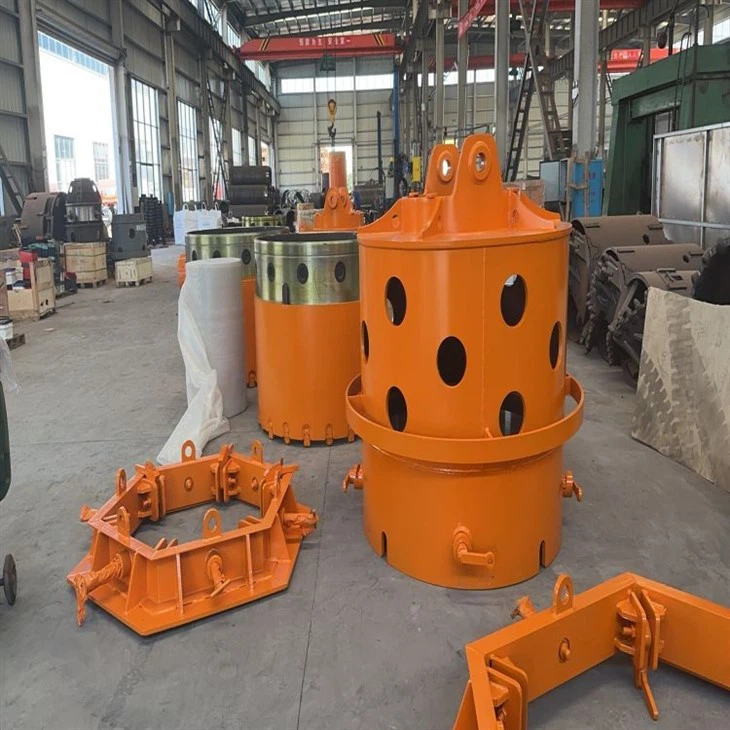
When considering a casing drive, it's also important to think about the casing drive adapter. A Casing Drive Adapter is a crucial component that connects the casing drive to the casing. It ensures a secure and efficient transfer of power.
Our Bauer Casing Drive Adapter is designed to work seamlessly with both hydraulic and mechanical casing drives. It is available in a variety of sizes and configurations to fit different casing types and drive systems. The high - quality materials and precision engineering of our adapters ensure long - lasting performance and reliable operation.
Conclusion
In conclusion, there is no one - size - fits - all answer to the question of whether a hydraulic or a mechanical casing drive is better. Each type has its own unique advantages and disadvantages, and the choice depends on a variety of factors, including soil conditions, casing size, and job site location.
As a casing drive supplier, we are committed to providing our customers with the best solutions for their specific needs. Whether you need a hydraulic casing drive for its flexibility and precision or a mechanical drive for its simplicity and cost - effectiveness, we have the expertise and products to meet your requirements.
If you are currently planning a project and need to make a decision on a casing drive, we encourage you to contact us. Our team of experts can provide you with detailed information, product recommendations, and even on - site consultations. We are here to help you choose the right casing drive and ensure the success of your project.
References
- Geotechnical Engineering Handbook, Third Edition.
- Construction Equipment: Selection, Use, and Maintenance.
- Industry reports on casing drive technologies.