


Hey there! As a Kelly bar supplier, I often get asked about the differences between Kelly bars for on - shore and off - shore drilling. It's a topic that's quite interesting and crucial for anyone involved in the drilling industry. So, let's dive right in and explore these differences.
1. Environmental Factors
First off, the environmental conditions are way different between on - shore and off - shore drilling sites. On - shore, the weather conditions are more predictable compared to off - shore. You can have a good idea of what kind of temperature, wind, and precipitation you'll face on a daily basis. However, on - shore sites can have a wide range of soil types, from soft clay to hard rock. This means that the Kelly bars used on - shore need to be versatile enough to handle different ground conditions.
On the other hand, off - shore drilling is a whole different ballgame. The ocean environment is extremely harsh. There are strong waves, high winds, and corrosive saltwater. These conditions put a lot of stress on the Kelly bars. The bars need to be made of materials that can resist corrosion. For example, using high - grade stainless steel or applying special anti - corrosion coatings can help. Also, the waves and winds can cause the drilling rig to move, so the Kelly bars need to be designed to handle these dynamic forces without breaking or getting damaged.
2. Structural Design
The structural design of Kelly bars for on - shore and off - shore drilling also varies. On - shore Kelly bars are usually designed with a focus on efficiency and cost - effectiveness. Since on - shore sites are more accessible, it's easier to transport and install the bars. They can be made in a variety of lengths and diameters depending on the specific drilling requirements. For instance, if you're drilling in soft soil, you might use a shorter and thinner Kelly bar. But if you're dealing with hard rock, a longer and thicker bar with more torque - transmitting capacity will be needed.
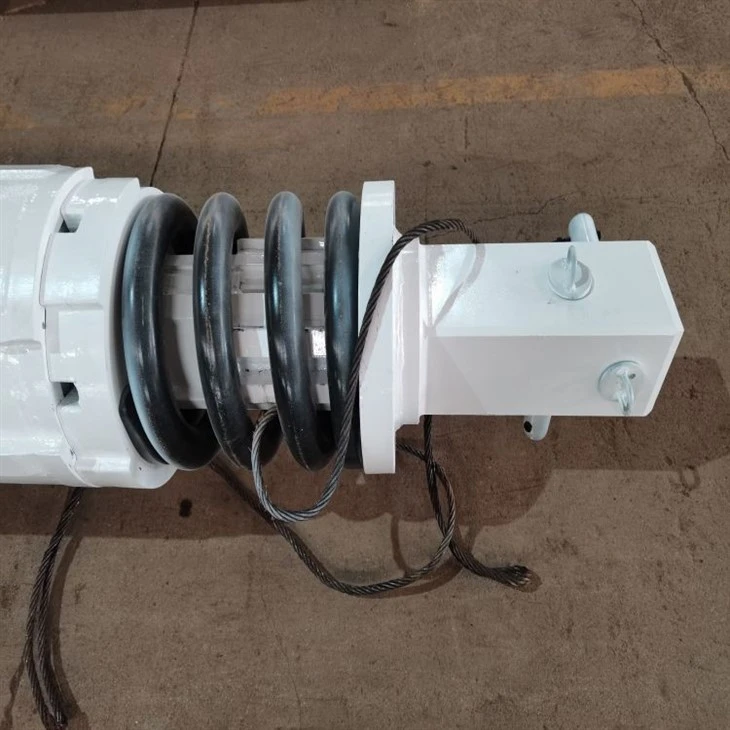
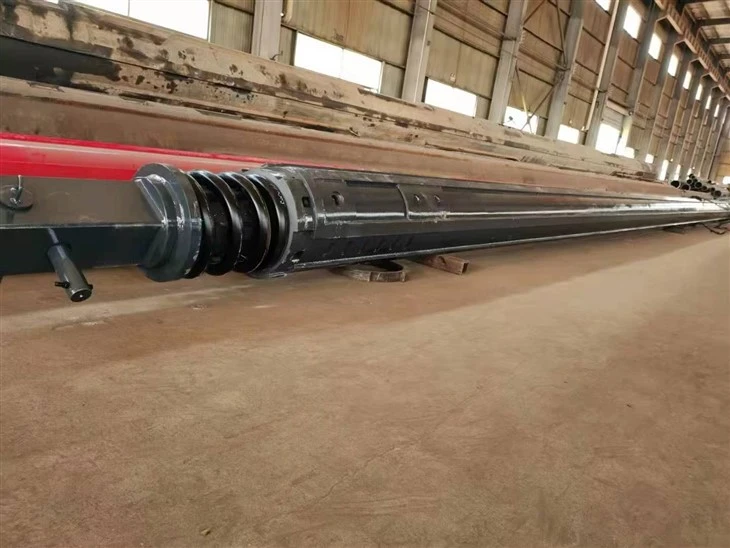
Off - shore Kelly bars, however, need to be more robust and compact. Due to the limited space on the drilling platform, the bars need to be designed to fit in a smaller area. At the same time, they still need to be able to deliver high torque for deep - sea drilling. The interlocking mechanisms between the different sections of the Kelly bar are also more complex in off - shore applications. This is to ensure that the bar can withstand the high pressures and dynamic loads during the drilling process. For more information on different types of Kelly bars, you can check out Locking Kelly Bar Of Rotary Drilling Rig and Interlocking Kelly Bar.
3. Depth Requirements
Depth requirements are another key difference. On - shore drilling usually doesn't require as much depth as off - shore drilling. On - shore projects can range from shallow water wells to medium - depth geothermal or oil wells. For these on - shore applications, Kelly bars with a depth capacity of up to a few hundred meters are often sufficient. The friction Kelly bars, like the 90M Depth Friction Kelly Bar, are commonly used for on - shore drilling in relatively soft to medium - hard soil conditions.
Off - shore drilling, especially in deep - sea areas, can require drilling to depths of thousands of meters. This means that the Kelly bars need to be much longer and have a higher load - bearing capacity. The design of the bar needs to ensure that it can transfer the drilling torque and weight to the drill bit effectively over long distances. Special attention also needs to be paid to the stability of the bar at such great depths to prevent buckling or bending.
4. Maintenance and Service
Maintenance and service are also different for on - shore and off - shore Kelly bars. On - shore, it's relatively easy to access the drilling rig and the Kelly bars for maintenance. You can quickly replace worn - out parts or perform routine inspections. There are usually local service providers available to help with any issues that arise.
In contrast, off - shore maintenance is much more challenging. The remote location of the drilling platform means that it takes time and resources to transport maintenance personnel and spare parts. This is why off - shore Kelly bars are designed to be more reliable and have a longer service life. They are also equipped with advanced monitoring systems that can detect any potential problems early on, reducing the need for frequent maintenance visits.
5. Cost Considerations
Cost is always a factor in any drilling project. On - shore Kelly bars are generally more cost - effective. The materials used are often less expensive, and the manufacturing process is simpler. Also, the transportation and installation costs are lower due to the easier accessibility of on - shore sites.
Off - shore Kelly bars, on the other hand, are more expensive. The high - quality materials needed to resist corrosion and withstand the harsh ocean environment, the complex design, and the difficult installation and maintenance all contribute to the higher cost. However, when you consider the long - term benefits of using reliable off - shore Kelly bars, such as reduced downtime and increased drilling efficiency, the investment can be well worth it.
Conclusion
In conclusion, there are significant differences between Kelly bars for on - shore and off - shore drilling. These differences stem from the unique environmental conditions, depth requirements, structural design needs, maintenance challenges, and cost considerations of each type of drilling. As a Kelly bar supplier, I understand the importance of providing the right product for the right application. Whether you're working on an on - shore or off - shore drilling project, it's crucial to choose the Kelly bar that best suits your specific needs.
If you're in the market for Kelly bars for your drilling project, I'd love to have a chat with you. We can discuss your requirements in detail and find the perfect solution for you. Don't hesitate to reach out for more information and to start the procurement process.
References
- Industry reports on drilling equipment
- Technical specifications of Kelly bars from leading manufacturers
- Case studies of on - shore and off - shore drilling projects