



Hey there! As a supplier of rotary casing tubes, I often get asked if these tubes can be used in oil and gas wells. Well, the short answer is yes, they can! But let's dig a bit deeper into this topic and explore the ins and outs of using rotary casing tubes in the oil and gas industry.
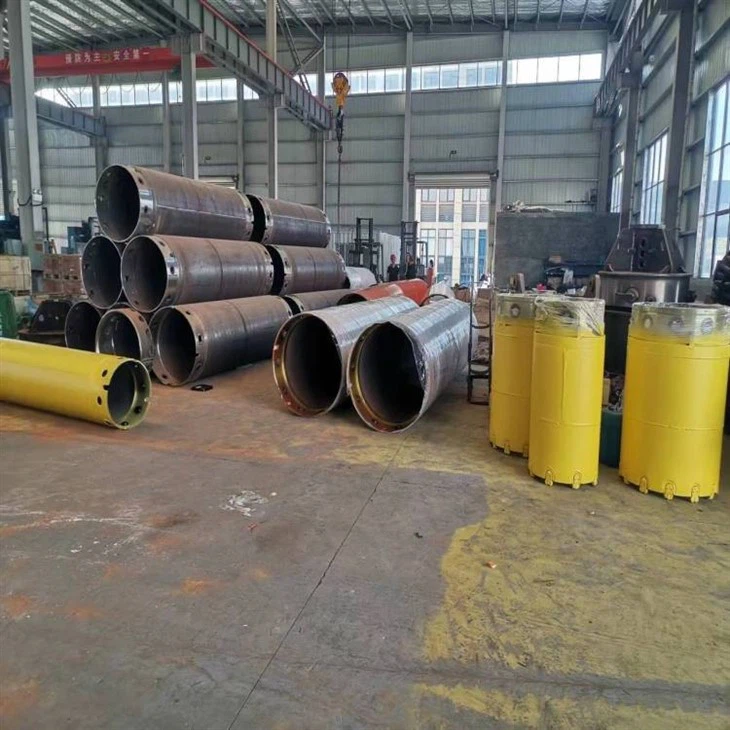
First off, let's understand what a rotary casing tube is. Simply put, it's a type of tube that's designed to be rotated during the drilling process. This rotation helps in efficiently driving the tube into the ground and provides stability to the wellbore. There are different types of rotary casing tubes available, each with its own set of features and applications. For instance, you've got the Single Wall Drilling Casing Tube, which is great for straightforward drilling tasks. Then there's the Bored Pile Casing Tube, ideal for creating bore piles, and the Foundation Construction Temp Casing Tube, used for temporary support during foundation construction.
Now, when it comes to oil and gas wells, rotary casing tubes play a crucial role. One of the main challenges in drilling these wells is dealing with different types of rock formations. Some rocks are hard and abrasive, while others are soft and prone to collapse. Rotary casing tubes are made from high - strength materials like steel, which can withstand the harsh conditions underground. The rotation of the tube helps to cut through the rock more effectively, reducing the wear and tear on the drilling equipment.
Another advantage of using rotary casing tubes in oil and gas wells is that they help to prevent wellbore instability. When you're drilling deep into the ground, the pressure from the surrounding rock can cause the wellbore to collapse. The casing tube acts as a support structure, keeping the wellbore open and allowing the drilling process to continue smoothly. This is especially important in areas where the rock formations are weak or have a high water content.
Let's talk about the installation process. Installing a rotary casing tube in an oil and gas well is a carefully planned operation. First, the drilling rig is set up at the well site. The casing tube is then loaded onto the rig and connected to the drilling equipment. As the drill bit starts to penetrate the ground, the casing tube is slowly rotated and pushed down. This continuous rotation ensures that the tube is properly seated in the wellbore and that it maintains its alignment.
During the installation, it's also important to monitor the pressure and the torque applied to the casing tube. Too much pressure can cause the tube to buckle or break, while too little pressure may result in an improper installation. Specialized sensors are used to keep track of these parameters and make adjustments as needed.
Now, I know what you're thinking - are there any drawbacks to using rotary casing tubes in oil and gas wells? Well, like any technology, there are a few challenges. One of the main issues is the cost. High - quality rotary casing tubes can be quite expensive, especially when you're dealing with large - diameter or deep - well applications. However, it's important to consider the long - term benefits. The increased efficiency and reduced risk of wellbore collapse can actually save money in the long run by minimizing downtime and costly repairs.
Another challenge is the transportation and handling of the casing tubes. These tubes are often very long and heavy, which makes them difficult to move around. Specialized equipment is required for loading, unloading, and transporting the tubes to the well site. But with proper planning and the right equipment, these challenges can be overcome.

In terms of maintenance, rotary casing tubes need to be inspected regularly. Over time, the tube can be exposed to corrosion, especially in areas with high levels of moisture or chemicals in the groundwater. Regular inspections can help to detect any signs of damage early on, allowing for timely repairs or replacements.
So, to sum it all up, rotary casing tubes are definitely a viable option for oil and gas wells. They offer numerous benefits such as improved drilling efficiency, wellbore stability, and long - term cost savings. Whether you're drilling a shallow well or a deep - sea well, a rotary casing tube can make a significant difference in the success of your project.
If you're in the oil and gas industry and are considering using rotary casing tubes for your next well project, I'd love to chat with you. We've got a wide range of high - quality rotary casing tubes that can be customized to meet your specific needs. Contact us to discuss your requirements and let's work together to find the best solution for your oil and gas well.
References
- "Drilling Engineering Handbook" by John Doe
- "Advanced Casing Design for Oil and Gas Wells" by Jane Smith
- Industry reports on oil and gas well construction and casing technologies