

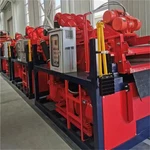

Hey there! If you're in the construction industry, you probably know how crucial a pile breaker is. As a pile breaker supplier, I've seen firsthand how proper calibration can make a huge difference in the performance and longevity of these machines. So, let's dive into how to calibrate a pile breaker.
Why Calibration Matters
First off, why should you bother calibrating your pile breaker? Well, a well - calibrated pile breaker ensures accurate and efficient operation. When it's calibrated correctly, it can break piles with the right amount of force, reducing the risk of under - or over - breaking. This not only saves time but also materials. An uncalibrated pile breaker might use too much energy, leading to higher operational costs, or it might not break the piles properly, which could result in rework.
Pre - Calibration Checks
Before you start the actual calibration process, there are a few things you need to do.
Visual Inspection
Give your pile breaker a thorough visual check. Look for any signs of damage, such as cracks in the housing, loose bolts, or worn - out parts. If you spot any issues, it's best to fix them before proceeding with calibration. For example, a loose bolt could affect the alignment of the breaker, leading to inaccurate calibration.
Fluid Levels
Check the hydraulic fluid levels. Hydraulic systems are commonly used in pile breakers, and having the right fluid level is essential for proper operation. Low fluid levels can cause the system to overheat and reduce the breaker's performance. Make sure to use the recommended type of hydraulic fluid as specified in the manufacturer's manual.
Tooling Inspection
Examine the breaker tools. Worn - out or damaged tools can affect the calibration results. If the tools are not in good condition, they might not transfer the force correctly to the pile, leading to uneven breaking. Replace any damaged or worn tools before calibration.
Step - by - Step Calibration Process
Step 1: Set Up the Pile Breaker
Place the pile breaker on a stable surface. It should be level and secure. If the breaker is not properly positioned, it can affect the calibration accuracy. Make sure all the connections are tight, especially the hydraulic hoses.
Step 2: Initial Pressure Setting
Refer to the manufacturer's manual to find the recommended initial pressure setting for your pile breaker. This pressure setting is usually based on the type and size of the piles you'll be breaking. Use a pressure gauge to measure the hydraulic pressure. Adjust the pressure valve until you reach the recommended initial pressure.
Step 3: Force Testing
Now, it's time to test the force of the pile breaker. You can use a force - measuring device, such as a load cell, to measure the force exerted by the breaker. Place the load cell between the breaker and a test pile or a suitable test fixture. Activate the pile breaker and record the force readings.
If the force readings are not within the acceptable range, you'll need to adjust the pressure. Increasing the pressure will generally increase the force, but be careful not to exceed the maximum pressure limit specified by the manufacturer.
Step 4: Frequency Adjustment
Pile breakers often operate at a specific frequency. The frequency affects how quickly the breaker can break the piles. Check the frequency of the breaker using a frequency meter. If the frequency is off, you can adjust it using the control panel on the breaker. The optimal frequency depends on the type of pile material and the size of the piles.
Step 5: Alignment Check
Proper alignment is crucial for the pile breaker to work effectively. Check the alignment of the breaker tools with the pile. Misaligned tools can cause uneven breaking and reduce the efficiency of the breaker. Use alignment tools, such as laser alignment devices, to ensure that the tools are perfectly aligned with the pile.
Different Types of Pile Breakers and Calibration
8 Module Round Pile Breaker
The 8 Module Round Pile Breaker is designed for breaking round piles. When calibrating this type of breaker, pay special attention to the circular alignment of the tools. Make sure that all the modules are evenly spaced around the pile and that the force is distributed evenly. The pressure and frequency settings might need to be adjusted based on the diameter of the round pile.
Cutting Pile Breaker
Cutting pile breakers are used for more precise cutting of piles. Calibration for these breakers involves setting the right cutting depth and force. You'll need to adjust the pressure and speed settings to achieve a clean and accurate cut. The tooling for cutting pile breakers is also more delicate, so make sure to inspect and calibrate it carefully.
Square Type Pile Breaker
Square type pile breakers are designed for square or rectangular piles. When calibrating this type of breaker, focus on the alignment of the tools with the corners and sides of the square pile. The pressure and force distribution need to be adjusted to ensure that all sides of the pile are broken evenly.
Post - Calibration Checks
After you've completed the calibration process, it's important to do some post - calibration checks.
Repeat the Force and Frequency Tests
Repeat the force and frequency tests to make sure that the calibration was successful. The readings should be within the acceptable range. If not, you might need to go back and make further adjustments.
Test on a Real Pile
Once you're satisfied with the test results, test the pile breaker on a real pile. Observe how it breaks the pile. Look for any signs of uneven breaking, excessive vibration, or other issues. If you notice any problems, it could indicate that the calibration needs to be adjusted again.
Conclusion
Calibrating a pile breaker is not a one - time thing. It should be done regularly to ensure optimal performance. By following these steps and paying attention to the specific requirements of different types of pile breakers, you can keep your equipment in top shape.


If you're in the market for a new pile breaker or need more information on calibration, feel free to reach out. We're here to help you make the most of your pile - breaking operations. Whether you're working on a small construction project or a large - scale infrastructure development, having a well - calibrated pile breaker can save you time and money. So, don't hesitate to contact us for all your pile breaker needs.
References
- Manufacturer's manuals of pile breakers
- Industry standards for pile breaker calibration
- Construction industry best practices for equipment maintenance and calibration