

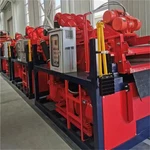

Hey there! As a casing drive supplier, I've seen firsthand the importance of proper maintenance for these crucial pieces of equipment. In this blog, I'm gonna walk you through the essential maintenance procedures for a casing drive. By following these steps, you can ensure that your casing drive operates smoothly, efficiently, and has a long service life.


Regular Inspections
One of the most important aspects of casing drive maintenance is regular inspections. You should conduct visual inspections before and after each use, as well as more in - depth inspections on a scheduled basis.
Pre - use Inspection
Before firing up the casing drive, take a good look at it. Check for any visible signs of damage, such as cracks, dents, or loose parts. Inspect the hydraulic hoses for leaks, cuts, or abrasions. A small leak in a hydraulic hose can quickly turn into a big problem, so it's better to catch it early. Also, make sure all the connections are tight. Loose connections can cause vibrations and reduce the efficiency of the casing drive.
Post - use Inspection
After you're done using the casing drive, give it another once - over. Look for any signs of wear and tear, especially on the gears, bearings, and drive components. Check the oil levels in the gearbox and hydraulic system. Low oil levels can lead to overheating and premature failure of the components. If you notice any unusual wear patterns or signs of damage, it's time to dig deeper and figure out what's going on.
Scheduled Inspections
In addition to the pre - and post - use inspections, you should perform more detailed inspections on a regular schedule. This could be monthly, quarterly, or annually, depending on how often the casing drive is used. During these inspections, you can use specialized tools to measure clearances, check the alignment of components, and test the performance of the drive. For example, you can use a torque wrench to ensure that all the bolts are tightened to the correct specification.
Lubrication
Proper lubrication is key to the smooth operation of a casing drive. Different parts of the casing drive require different types of lubricants, so it's important to use the right ones.
Gearbox Lubrication
The gearbox is one of the most critical components of the casing drive. It needs to be lubricated with high - quality gear oil. Check the manufacturer's recommendations for the type and viscosity of the gear oil. Over time, the gear oil can break down and lose its lubricating properties. So, you should change the gear oil at regular intervals. A good rule of thumb is to change the gear oil every 500 - 1000 hours of operation, but this can vary depending on the usage conditions.
Bearing Lubrication
The bearings in the casing drive also need to be lubricated. Most bearings are pre - lubricated, but they may need to be re - lubricated periodically. Use a grease gun to apply the appropriate grease to the bearings. Make sure not to over - grease the bearings, as this can cause overheating and damage.
Other Moving Parts
Don't forget about the other moving parts of the casing drive, such as the chains, sprockets, and hydraulic cylinders. These parts may require lubrication with oil or grease, depending on their design. Regular lubrication of these parts will reduce friction, wear, and noise.
Hydraulic System Maintenance
The hydraulic system is what powers the casing drive, so it's crucial to keep it in good working condition.
Hydraulic Fluid
The hydraulic fluid is the lifeblood of the hydraulic system. Check the hydraulic fluid level regularly and top it up if necessary. Also, monitor the condition of the hydraulic fluid. Over time, the fluid can become contaminated with dirt, debris, and water. Contaminated fluid can cause damage to the hydraulic pump, valves, and cylinders. Change the hydraulic fluid according to the manufacturer's recommendations.
Filters
The hydraulic system has filters that remove contaminants from the fluid. These filters need to be replaced regularly. A clogged filter can restrict the flow of hydraulic fluid, which can lead to reduced performance and overheating of the system.
Seals and Hoses
Inspect the seals and hoses in the hydraulic system for leaks. Leaking seals can cause a loss of hydraulic pressure, which can affect the operation of the casing drive. If you find a leak, replace the seal or hose as soon as possible.
Cleaning
Keeping the casing drive clean is not just about aesthetics; it's also important for its performance and longevity.
External Cleaning
Regularly clean the exterior of the casing drive to remove dirt, mud, and other debris. Use a pressure washer or a hose to clean the drive, but be careful not to get water into the electrical components. A clean casing drive is less likely to develop corrosion and other problems.
Internal Cleaning
In addition to external cleaning, you may need to perform internal cleaning of the casing drive from time to time. This could involve flushing the hydraulic system or cleaning the gearbox. Internal cleaning can help remove any built - up contaminants and improve the performance of the drive.
Component Replacement
Despite your best efforts at maintenance, some components of the casing drive will eventually wear out and need to be replaced.
Wear Parts
Parts such as gears, bearings, and seals are considered wear parts. Keep an inventory of these parts so that you can replace them quickly when needed. When replacing wear parts, make sure to use high - quality replacement parts that are compatible with your casing drive.
Upgrades
You may also want to consider upgrading some components of the casing drive to improve its performance. For example, you could upgrade the hydraulic pump to increase the power and efficiency of the drive.
Storage
If you're not going to use the casing drive for an extended period, proper storage is essential.
Clean and Lubricate
Before storing the casing drive, clean it thoroughly and lubricate all the moving parts. This will prevent corrosion and rust from forming during storage.
Store in a Dry Place
Store the casing drive in a dry, protected area. If possible, cover the drive with a tarp to keep it from getting wet.
Conclusion
Maintaining a casing drive is a multi - step process that requires regular inspections, proper lubrication, hydraulic system maintenance, cleaning, component replacement, and proper storage. By following these maintenance procedures, you can ensure that your casing drive operates at its best and has a long service life.
If you're in the market for a casing drive or need replacement parts, we've got you covered. We offer a wide range of high - quality casing drives and related products, including the Casing Drive Adapter and the Bauer Casing Drive Adapter. If you have any questions or want to discuss your specific needs, don't hesitate to reach out to us for a procurement consultation.
References
- Manufacturer's manuals for casing drives
- Industry standards and best practices for equipment maintenance