


Converting a vertical-drilling soil auger for horizontal use can be a practical solution in various construction and landscaping projects. As a soil drilling auger supplier, I've encountered many customers who are interested in this conversion to expand the functionality of their equipment. In this blog, I'll share some insights on how to achieve this conversion effectively and safely.
Understanding the Basics of Vertical and Horizontal Drilling
Before delving into the conversion process, it's essential to understand the differences between vertical and horizontal drilling. Vertical drilling is the most common method, where the auger is used to bore holes straight down into the ground. This is typically used for tasks such as planting trees, installing fence posts, or creating foundations. On the other hand, horizontal drilling is used to create tunnels or trenches underground, often for laying pipes, cables, or irrigation systems.
The main challenge in converting a vertical-drilling soil auger for horizontal use is that the auger is designed to work under the force of gravity, with the drill bit cutting through the soil as it is pushed down. In horizontal drilling, the auger needs to be able to cut through the soil while being pushed or pulled horizontally, which requires different techniques and equipment modifications.
Assessing the Suitability of Your Auger
Not all vertical-drilling soil augers are suitable for horizontal conversion. The first step is to assess the type and model of your auger. Consider the following factors:

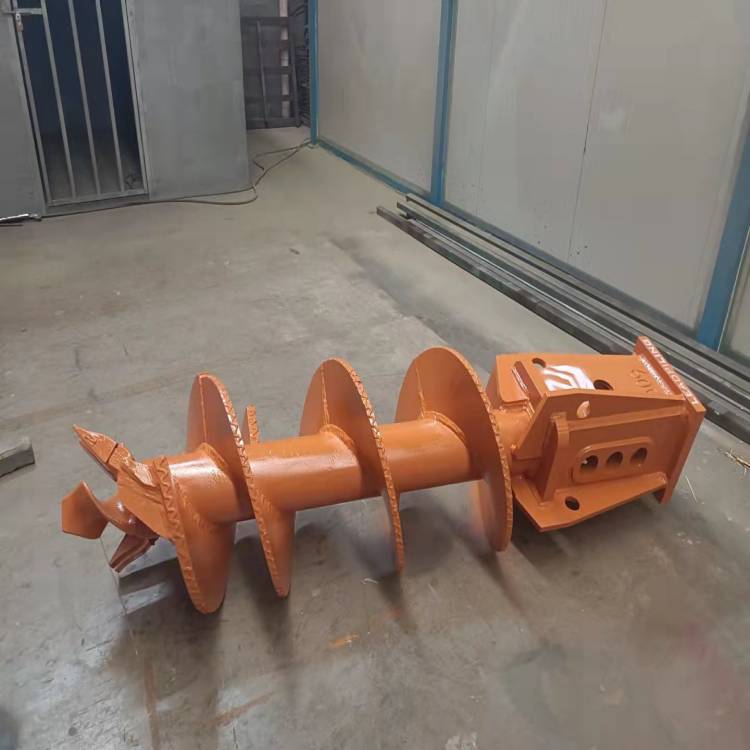
- Power Source: Augers can be powered by gasoline, electricity, or hydraulics. Gasoline-powered augers are generally more portable and suitable for outdoor use, while electric augers are quieter and more environmentally friendly. Hydraulic augers are often used in heavy-duty applications and can provide more power. Make sure your auger's power source is sufficient to handle the additional stress of horizontal drilling.
- Size and Weight: The size and weight of the auger are important considerations. A larger and heavier auger may be more difficult to maneuver horizontally, especially in tight spaces. However, a smaller auger may not have enough power to cut through dense soil. Choose an auger that is appropriate for the size and type of project you are working on.
- Drill Bit Design: The design of the drill bit can also affect the auger's performance in horizontal drilling. Some drill bits are designed specifically for vertical drilling and may not work well horizontally. Look for drill bits that have a more aggressive cutting edge and are designed to handle the lateral forces of horizontal drilling.
Modifying the Auger for Horizontal Use
Once you have determined that your auger is suitable for horizontal conversion, you can start making the necessary modifications. Here are some steps you can take:
- Mounting the Auger: The first step is to mount the auger on a suitable platform or frame that allows it to be moved horizontally. This can be a custom-built frame or a commercially available mounting system. Make sure the platform is stable and can support the weight of the auger and any additional equipment.
- Adding a Thrust Mechanism: In horizontal drilling, you need a way to apply a horizontal force to the auger to push it through the soil. This can be achieved by adding a thrust mechanism, such as a hydraulic cylinder or a winch. The thrust mechanism should be able to provide enough force to overcome the resistance of the soil and keep the auger moving forward.
- Adjusting the Drill Bit: As mentioned earlier, the drill bit design is crucial for horizontal drilling. You may need to adjust the angle or shape of the drill bit to improve its cutting performance. Some drill bits can be adjusted by loosening the bolts and rotating the bit to a different position. Others may require more extensive modifications, such as grinding or welding.
- Installing a Guide System: To ensure that the auger drills a straight and accurate hole, you may need to install a guide system. This can be a simple track or a more complex laser-guided system. The guide system helps to keep the auger on track and prevents it from veering off course.
Choosing the Right Drill Bits
In addition to modifying the auger itself, choosing the right drill bits is essential for successful horizontal drilling. Here are some types of drill bits that are commonly used in horizontal drilling:
- Drilling Rig Soil Drilling Auger: These drill bits are designed for heavy-duty drilling applications and are suitable for use with larger augers. They have a strong and durable cutting edge that can penetrate through hard soil, rock, and other materials.
- Double Cut Soil Drilling Auger: Double cut drill bits have two cutting edges that work together to provide a more efficient and clean cut. They are ideal for drilling in soft to medium-hard soil and can help to reduce the amount of torque required to turn the auger.
- Flat Soil Drilling Auger: Flat drill bits are designed for drilling in loose or sandy soil. They have a flat cutting edge that helps to prevent the soil from clogging the auger and allows for faster drilling.
Safety Considerations
Horizontal drilling can be a dangerous activity, so it's important to take the necessary safety precautions. Here are some safety tips to keep in mind:
- Wear Protective Gear: Always wear appropriate protective gear, such as safety glasses, gloves, and a hard hat. This can help to protect you from flying debris and other hazards.
- Follow the Manufacturer's Instructions: Make sure you read and follow the manufacturer's instructions for your auger and any additional equipment. This can help to ensure that you are using the equipment correctly and safely.
- Inspect the Equipment Regularly: Before each use, inspect the auger and all of its components for any signs of damage or wear. Replace any worn or damaged parts immediately.
- Use Caution When Drilling Near Utilities: When drilling horizontally, be aware of the location of underground utilities, such as water pipes, gas lines, and electrical cables. Contact your local utility companies before starting any drilling project to obtain information about the location of these utilities.
Conclusion
Converting a vertical-drilling soil auger for horizontal use can be a cost-effective way to expand the functionality of your equipment. By following the steps outlined in this blog, you can modify your auger to perform horizontal drilling tasks safely and efficiently. Remember to choose the right drill bits, take the necessary safety precautions, and always follow the manufacturer's instructions.
If you are interested in purchasing a soil drilling auger or need more information about horizontal drilling, please feel free to contact us. We are a leading supplier of high-quality soil drilling augers and can provide you with the products and support you need for your project.
References
- "Soil Drilling and Sampling Handbook" by ASTM International
- "Construction Equipment Handbook" by McGraw-Hill Education
- "Drilling and Blasting Handbook" by Society for Mining, Metallurgy & Exploration