

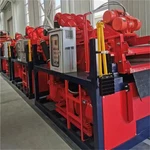

Hey there! As a supplier of Slurry Desanders, I get asked a lot about how to improve the durability of these crucial pieces of equipment. A slurry desander plays a vital role in separating sand and other solid particles from drilling fluids or other slurries. But over time, the constant abrasive action of the slurry can wear it out. So, let's dive into some practical ways to enhance its durability.
1. Material Selection
The first step in boosting the durability of a slurry desander is choosing the right materials. High - quality, wear - resistant materials are a must. For instance, ceramic liners are a great option. Ceramics are extremely hard and can withstand the abrasive forces of the slurry for much longer than regular steel. It's like putting on a tough armor for your desander.
The inner surface of the desander, which is in direct contact with the slurry, takes the brunt of the wear. By using ceramic liners, you're significantly reducing the rate of wear. Some of our Slurry Desander models come with pre - installed ceramic liners, and we highly recommend it for applications where the slurry is particularly abrasive.
Another material consideration is the outer shell. A strong and corrosion - resistant steel can protect the internal components from external damage and environmental factors. Stainless steel, for example, is a popular choice as it resists rust and corrosion, ensuring the structural integrity of the desander over time.
2. Proper Installation
You can have the best - quality materials, but if the desander is not installed correctly, its durability will be compromised. First, make sure the desander is installed on a stable and level surface. Any unevenness can cause stress concentrations on certain parts of the desander during operation, leading to premature wear and even structural failure.
The inlet and outlet connections should also be properly aligned. Misaligned connections can cause turbulent flow within the desander, increasing the wear on the internal components. It's like trying to pour a liquid through a funnel that's not straight - it's going to splash around and cause more mess and damage.
During installation, follow the manufacturer's instructions carefully. If you're not sure, our technical support team is always ready to assist. We've seen cases where improper installation led to costly repairs and replacements, so don't skip this important step.
3. Regular Maintenance
Regular maintenance is the key to keeping any equipment in good shape, and slurry desanders are no exception. One of the most basic maintenance tasks is cleaning. After each use, flush the desander with clean water to remove any remaining slurry. This helps prevent the build - up of abrasive materials inside the desander, which can accelerate wear.
Inspect the desander regularly for signs of wear and tear. Check the liners, valves, and other components for any cracks, chips, or excessive wear. If you notice any issues, replace the damaged parts immediately. Ignoring small problems can lead to bigger and more expensive ones down the road.
Lubrication is also crucial for the moving parts of the desander. Make sure to use the right type of lubricant and apply it at the recommended intervals. This reduces friction and wear on the moving components, ensuring smooth operation.
4. Optimize Operating Conditions
The operating conditions can have a significant impact on the durability of a slurry desander. First, control the flow rate of the slurry. If the flow rate is too high, it can cause excessive turbulence and wear on the internal components. On the other hand, if the flow rate is too low, the separation efficiency may be affected. Find the optimal flow rate for your specific application and keep it as stable as possible.
The concentration of solids in the slurry also matters. A high - solids concentration means more abrasive materials are flowing through the desander, which can increase wear. If possible, pre - treat the slurry to reduce the solids concentration before it enters the desander.
The temperature of the slurry can also play a role. Extreme temperatures can cause thermal expansion and contraction of the materials, leading to stress and potential damage. Try to keep the slurry temperature within the recommended range for the desander.
5. Training of Operators
Well - trained operators can make a big difference in the durability of a slurry desander. They need to understand how the desander works, how to operate it properly, and what to do in case of issues. Provide comprehensive training to your operators on the correct operating procedures, safety precautions, and basic maintenance tasks.
Encourage them to report any abnormal noises, vibrations, or other signs of trouble immediately. By catching problems early, you can prevent major damage and extend the lifespan of the desander. Our company also offers operator training programs to help you get the most out of your Slurry Desander.
6. Monitoring and Data Analysis
Implement a monitoring system to track the performance of the slurry desander. This can include sensors to measure parameters such as flow rate, pressure, and temperature. By constantly monitoring these parameters, you can detect any changes that may indicate a problem.
Analyze the data collected from the monitoring system regularly. Look for trends and patterns that may suggest impending issues. For example, if you notice a gradual increase in pressure, it could be a sign of a blockage or excessive wear inside the desander.
Based on the data analysis, you can take proactive measures to prevent problems before they occur. This can save you a lot of time and money in the long run.
Why Choose Our Slurry Desanders
Our Slurry Desanders are designed with durability in mind. We use the highest - quality materials, and our manufacturing processes ensure precision and reliability. We offer a range of models to suit different applications, whether you're in the oil and gas industry, mining, or any other field that requires slurry separation.


In addition to our high - quality products, we also provide excellent customer support. Our technical team is always available to answer your questions, provide installation guidance, and assist with maintenance and troubleshooting.
If you're looking for a Mud Desander or a Slurry Desander that offers long - term durability, we're here to help. Don't hesitate to get in touch with us to discuss your specific requirements and let's find the perfect solution for your slurry separation needs.
References
- "Principles of Slurry Transportation" by Wilfred Wasp
- "Handbook of Applied Hydraulic Engineering" by Robert J. Hwang
- Industry research papers on slurry desander technology and maintenance best practices