

Hey there! As a casing joint supplier, I often get asked about how to measure the torque of a casing joint. It's a crucial aspect in the oil and gas industry, and getting it right can make a huge difference in the overall performance and safety of the operations. So, let's dive into it and explore the ins and outs of measuring the torque of a casing joint.
Why Measuring Torque Matters
First off, you might be wondering why we even bother measuring the torque of a casing joint. Well, proper torque is essential for ensuring a secure connection between the casing joints. If the torque is too low, the joint might come loose during operation, leading to leaks, which can be a major safety hazard and also cause environmental damage. On the other hand, if the torque is too high, it can damage the threads of the casing joint, reducing its lifespan and potentially causing failures down the line.
Tools for Measuring Torque
There are several tools available for measuring the torque of a casing joint. One of the most common ones is the torque wrench. It's a simple yet effective tool that allows you to apply a specific amount of torque to the joint. You can set the desired torque value on the wrench, and when that value is reached, the wrench will make a clicking sound or give some other indication. This ensures that you're applying the right amount of torque every time.
Another tool is the torque meter. This is a more advanced device that can measure the actual torque being applied to the joint in real-time. It provides accurate and precise readings, which can be very useful, especially in high-stakes operations where precision is key. Some torque meters can even be connected to a computer or other data logging device, allowing you to record and analyze the torque data over time.
The Measurement Process
Now, let's walk through the process of measuring the torque of a casing joint. First, you need to make sure that the casing joint is clean and free of any debris or contaminants. This is important because any dirt or debris can affect the torque measurement and also cause damage to the threads.
Next, you'll need to select the appropriate tool for the job. As I mentioned earlier, a torque wrench is a good choice for most applications, but if you need more accurate and detailed measurements, a torque meter might be a better option.
Once you've selected the tool, you'll need to attach it to the casing joint. Make sure that the tool is properly aligned with the joint and that it's securely attached. This will ensure that you're getting an accurate measurement.
Now, it's time to start applying torque to the joint. Slowly turn the tool in the direction specified by the manufacturer. As you turn, keep an eye on the torque reading. If you're using a torque wrench, wait for the clicking sound or other indication that the desired torque value has been reached. If you're using a torque meter, watch the display to see the actual torque being applied.
Once you've reached the desired torque value, stop applying torque and remove the tool from the joint. Make sure to double-check the torque reading to ensure that it's within the acceptable range.
Factors Affecting Torque Measurement
There are several factors that can affect the torque measurement of a casing joint. One of the most important factors is the friction between the threads. The amount of friction can vary depending on the type of casing joint, the surface finish of the threads, and the presence of any lubricants.
Another factor is the temperature. Torque values can change with temperature, so it's important to take this into account when measuring torque. For example, if the temperature is very high, the metal might expand, which can affect the torque reading.
The type of makeup procedure can also affect the torque measurement. Different makeup procedures can result in different levels of torque being applied to the joint. It's important to follow the manufacturer's recommended makeup procedure to ensure accurate and consistent torque measurements.
Different Types of Casing Joints
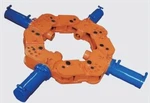
At our company, we offer a variety of casing joints to meet the diverse needs of our customers. For example, we have the Forging Casing Joint. This type of joint is known for its high strength and durability. It's often used in applications where the casing needs to withstand high pressures and harsh environments.
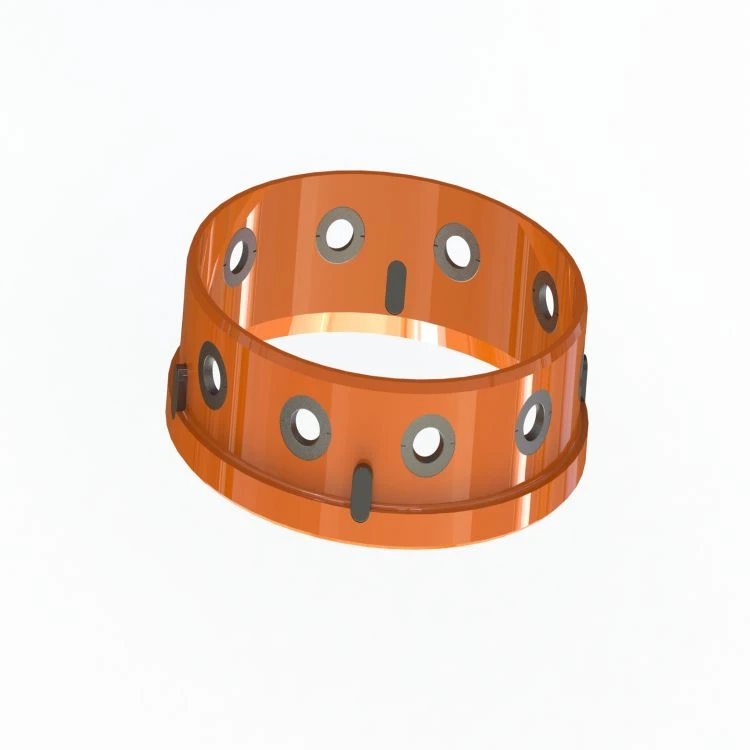
We also have the Replaceable Casing Joint. As the name suggests, this joint can be easily replaced if it gets damaged or worn out. It's a cost-effective solution for applications where the casing joints need to be replaced frequently.
And then there's the Bauer Casing Joint. This is a popular type of casing joint that's known for its excellent sealing properties. It's often used in applications where preventing leaks is a top priority.
Importance of Proper Torque in Different Applications
Proper torque is important in a variety of applications. In the oil and gas industry, for example, casing joints are used to connect the different sections of the casing string. If the torque is not properly measured and applied, it can lead to leaks, which can cause significant problems, including environmental damage and safety hazards.
In the construction industry, casing joints are used in foundation piles and other structural applications. Proper torque ensures that the joints are strong and stable, which is essential for the overall integrity of the structure.

Conclusion
Measuring the torque of a casing joint is a critical process that requires attention to detail and the use of the right tools. By following the proper procedures and taking into account the various factors that can affect torque measurement, you can ensure that your casing joints are properly installed and performing at their best.
If you're in the market for high-quality casing joints or need more information about torque measurement, don't hesitate to reach out. We're here to help you find the right solutions for your needs. Whether you're working on a small project or a large-scale operation, we have the expertise and products to support you. Contact us today to start the conversation and explore how we can work together to achieve your goals.
References
- API RP 5C1, "Specification for Threading, Gauging, and Thread Inspection of Casing, Tubing, and Line Pipe Threads"
- ISO 13679:2016, "Petroleum and natural gas industries — Casing and tubing — Performance properties"