

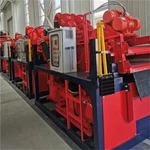

As a supplier of round pile breakers, I am often asked about the proper operation of these powerful machines. In this blog post, I will provide a comprehensive guide on how to operate a round pile breaker effectively and safely.
Understanding the Round Pile Breaker
Before we delve into the operation process, it's essential to understand what a round pile breaker is and how it works. A round pile breaker is a specialized construction equipment designed to break and remove the excess concrete from the top of round piles. It is commonly used in foundation construction projects, such as building bridges, high - rise buildings, and other large - scale structures.
The main components of a round pile breaker typically include hydraulic cylinders, breaking jaws, a control system, and a mounting frame. The hydraulic cylinders provide the force needed to open and close the breaking jaws, which grip and break the concrete around the pile. The control system allows the operator to precisely control the movement and force of the breaker.
Pre - operation Checks
- Inspect the Equipment
- Before starting the round pile breaker, conduct a thorough visual inspection. Check for any signs of damage, such as cracks in the frame, leaks in the hydraulic hoses, or worn - out components. Pay special attention to the breaking jaws; they should be in good condition without any significant wear or deformation.
- Ensure that all bolts and fasteners are tight. Loose bolts can cause vibrations and potentially lead to equipment failure during operation.
- Check the Hydraulic System
- The hydraulic system is the heart of the round pile breaker. Check the hydraulic fluid level in the reservoir. If it is low, refill it with the recommended type of hydraulic fluid.
- Inspect the hydraulic hoses for any signs of damage or leakage. A leak in the hydraulic system can not only reduce the efficiency of the breaker but also pose a safety hazard.
- Operate the hydraulic control valves to check if they are functioning properly. The breaker should respond smoothly to the control signals.
- Verify the Mounting
- If the round pile breaker is to be mounted on an excavator or other carrier equipment, ensure that the mounting is secure. The mounting brackets should be properly aligned and bolted to the carrier.
- Check the connection between the breaker and the carrier's hydraulic system. Make sure the hydraulic lines are correctly connected and there are no kinks or blockages.
Operating the Round Pile Breaker
- Positioning the Breaker
- Use the carrier equipment to position the round pile breaker over the pile. Align the breaker precisely with the top of the pile. The center of the breaker should be in line with the center of the pile to ensure even breaking.
- Lower the breaker gently onto the pile until the breaking jaws make contact with the concrete surface. Avoid dropping the breaker onto the pile, as this can cause damage to both the breaker and the pile.
- Initial Grip
- Once the breaker is in position, activate the hydraulic system to close the breaking jaws around the pile. Apply a moderate amount of force initially to grip the pile firmly. This step is crucial as a proper grip ensures that the breaker can effectively break the concrete.
- Monitor the pressure gauge on the hydraulic control panel. The pressure should be within the recommended range specified by the manufacturer.
- Breaking the Concrete
- After the breaker has a firm grip on the pile, gradually increase the hydraulic pressure to start breaking the concrete. The breaking process may take some time, depending on the strength and thickness of the concrete.
- As the concrete starts to break, the breaker will generate vibrations. Make sure the carrier equipment is stable and can withstand these vibrations.
- Continuously monitor the operation of the breaker. If you notice any abnormal noises, excessive vibrations, or changes in the pressure, stop the operation immediately and investigate the cause.
- Removing the Broken Concrete
- Once the concrete has been broken, open the breaking jaws to release the broken pieces. Use the carrier equipment to lift the breaker and remove the broken concrete from the pile.
- Repeat the process if there is still excess concrete to be removed from the pile.
Post - operation Procedures
- Cleaning the Breaker
- After the operation is completed, clean the round pile breaker thoroughly. Remove any concrete debris from the breaking jaws, hydraulic cylinders, and other components. Use a high - pressure water jet or a wire brush to clean hard - to - reach areas.
- Cleaning the breaker not only helps to maintain its appearance but also prevents the accumulation of concrete, which can affect the performance of the equipment.
- Storing the Breaker
- If the breaker is not going to be used for an extended period, store it in a dry and protected area. Cover the breaker with a tarp to prevent dust and moisture from accumulating on it.
- Release the hydraulic pressure in the system to avoid any potential damage to the hydraulic components during storage.
- Maintenance and Inspection
- Regular maintenance is essential to keep the round pile breaker in good working condition. Follow the manufacturer's maintenance schedule for tasks such as oil changes, filter replacements, and component inspections.
- Conduct a more detailed inspection after every few uses. Check the wear and tear of the breaking jaws, hydraulic seals, and other critical components. Replace any worn - out parts promptly.
Safety Precautions
- Personal Protective Equipment (PPE)
- Operators and other personnel in the vicinity of the round pile breaker should wear appropriate PPE, including hard hats, safety glasses, ear protection, and steel - toed boots.
- If there is a risk of concrete dust, wear a dust mask to prevent inhalation of harmful particles.
- Training
- Only trained and authorized personnel should operate the round pile breaker. Ensure that operators are familiar with the equipment's operation manual and safety procedures.
- Provide regular training updates to keep operators informed about the latest safety practices and equipment features.
- Work Area Safety
- Set up safety barriers around the work area to prevent unauthorized access. Mark the area clearly with warning signs.
- Keep bystanders at a safe distance from the breaker during operation. The vibrations and flying concrete debris can pose a danger to people nearby.
Conclusion
Operating a round pile breaker requires a combination of knowledge, skill, and attention to safety. By following the pre - operation checks, proper operating procedures, post - operation procedures, and safety precautions outlined in this blog post, you can ensure the efficient and safe use of the round pile breaker.
If you are in the market for a high - quality round pile breaker, we are here to help. Our Round Type Pile Breaker is designed with the latest technology and built to last. Contact us to discuss your specific requirements and start the procurement process.


References
- Construction Equipment Handbook, 5th Edition
- Manufacturer's Operation Manual for Round Pile Breakers