



As a tremie pipe supplier, I've witnessed firsthand the critical role these pipes play in various construction and industrial applications. The tremie pipe is a simple yet ingenious device used for placing concrete underwater, in caissons, or in other situations where direct pouring is not feasible. However, to ensure the best performance, it's essential to optimize its design. In this blog, I'll share some insights on how to achieve that.
Understanding the Basics of Tremie Pipe Function
Before delving into design optimization, it's crucial to understand how a tremie pipe works. Essentially, a tremie pipe is a long, vertical tube through which concrete is poured. The lower end of the pipe is kept submerged in the fresh concrete to prevent water or other fluids from entering and diluting the mix. As more concrete is added at the top, it displaces the existing concrete at the bottom, gradually filling the desired space.
The efficiency of this process depends on several factors, including the pipe's diameter, length, material, and the smoothness of its interior surface. Any design flaws can lead to blockages, segregation of the concrete mix, or uneven placement, which can compromise the quality of the final structure.
Optimizing the Diameter and Length
The diameter of the tremie pipe is a critical design parameter. A larger diameter allows for a higher flow rate of concrete, reducing the time required to fill the space. However, it also increases the weight of the pipe and the amount of concrete needed to prime it. On the other hand, a smaller diameter may restrict the flow and increase the risk of blockages, especially if the concrete has a high viscosity.
To find the optimal diameter, you need to consider the type of concrete being used, the distance it needs to travel, and the size of the area to be filled. For most applications, a diameter between 6 and 12 inches is common. However, in some cases, larger or smaller diameters may be more appropriate.
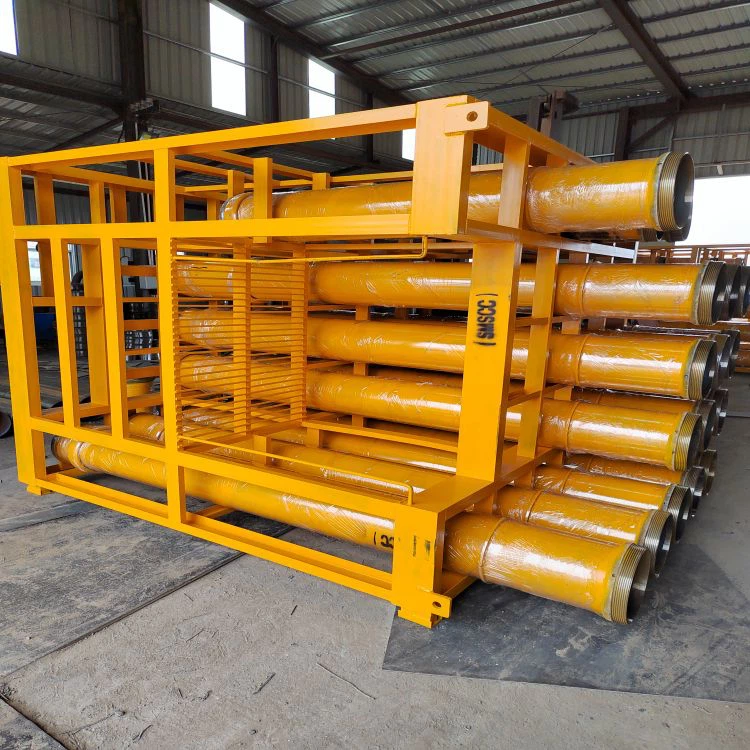
The length of the tremie pipe is another important factor. Longer pipes require more concrete to prime and may experience more friction, which can slow down the flow. It's essential to keep the length as short as possible while still reaching the desired depth. If necessary, multiple pipes can be connected using Tremie Coupling Cable to achieve the required length.
Choosing the Right Material
The material of the tremie pipe can significantly affect its performance. Common materials include steel, aluminum, and plastic. Steel pipes are strong and durable, making them suitable for heavy-duty applications. They can withstand high pressures and are resistant to corrosion. However, they are also relatively heavy, which can make handling and installation more challenging.
Aluminum pipes are lighter than steel, making them easier to handle. They are also corrosion-resistant, but they may not be as strong as steel. Plastic pipes are the lightest option and are often used for smaller-scale projects. They are flexible and easy to install, but they may not be suitable for high-pressure applications.
When choosing the material, you need to consider the specific requirements of your project, including the depth of the pour, the type of concrete being used, and the environmental conditions.
Improving the Interior Surface
The smoothness of the interior surface of the tremie pipe is crucial for ensuring a smooth flow of concrete. A rough surface can cause friction, which can slow down the flow and increase the risk of blockages. To improve the interior surface, you can use a lining material, such as a polymer coating or a smooth metal liner.
Another option is to use a Wire Cable Tremie Pipe, which has a wire cable inside the pipe to guide the concrete and reduce friction. This type of pipe is particularly effective for long-distance pours or when using high-viscosity concrete.
Designing the Hopper
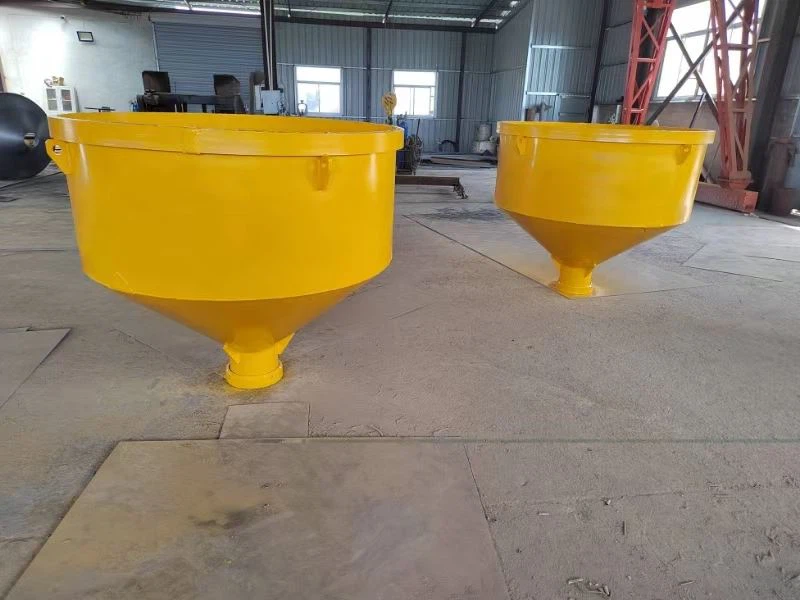
The hopper is an essential part of the tremie pipe system. It is used to hold the concrete and feed it into the pipe. A well-designed hopper can improve the flow of concrete and reduce the risk of blockages.
The hopper should have a large enough capacity to hold the required amount of concrete. It should also have a smooth interior surface to prevent the concrete from sticking. The shape of the hopper is also important. A conical shape is often preferred because it allows the concrete to flow smoothly towards the pipe.
You can also consider using a Tremie Hopper, which is specifically designed for use with tremie pipes. These hoppers are available in various sizes and configurations to meet the specific needs of your project.
Ensuring Proper Installation and Maintenance
Even the best-designed tremie pipe will not perform well if it is not installed and maintained correctly. During installation, it's essential to ensure that the pipe is vertical and that the joints are properly sealed to prevent leaks. The pipe should also be securely anchored to prevent it from moving during the pour.
Regular maintenance is also crucial to keep the tremie pipe in good condition. After each use, the pipe should be cleaned thoroughly to remove any remaining concrete. Any damaged parts should be replaced immediately to prevent further problems.
Conclusion
Optimizing the design of a tremie pipe is essential for ensuring better performance and achieving high-quality results. By considering factors such as the diameter, length, material, interior surface, hopper design, and proper installation and maintenance, you can improve the efficiency of the concrete placement process and reduce the risk of problems.
If you're in the market for a tremie pipe or need advice on optimizing your existing system, I encourage you to reach out to us. We have a wide range of Wire Cable Tremie Pipe, Tremie Coupling Cable, and Tremie Hopper options to meet your specific needs. Our team of experts is always ready to assist you in finding the best solution for your project. Contact us today to start the procurement discussion and take your construction projects to the next level.
References
- Neville, A. M. (1995). Properties of Concrete. Pearson Education.
- ACI Committee 304. (2019). Guide for Measuring, Mixing, Transporting, and Placing Concrete. American Concrete Institute.
- PCA. (2006). Design and Control of Concrete Mixtures. Portland Cement Association.