


Loamy soil, known for its balanced combination of sand, silt, and clay, offers a unique set of challenges and opportunities when it comes to soil drilling. As a soil drilling bit supplier, I've witnessed firsthand the importance of optimizing bit performance in this type of soil. In this blog post, I'll share some insights and strategies to help you get the most out of your soil drilling operations in loamy soil.
Understanding the Characteristics of Loamy Soil
Before delving into optimization strategies, it's crucial to understand the properties of loamy soil. Loamy soil is well - drained yet retains moisture, has good aeration, and is generally fertile. However, these characteristics can also pose challenges for soil drilling. The presence of silt and clay can cause the soil to stick to the drilling bit, while the sand particles can cause abrasion.
The balanced nature of loamy soil means that it has a relatively high cohesion compared to sandy soils but is less cohesive than clayey soils. This requires a drilling bit that can cut through the soil effectively without getting clogged.
Selecting the Right Bit Design
One of the first steps in optimizing bit performance is choosing the right bit design. Different bit designs are suitable for different soil conditions, and loamy soil is no exception.
1. Tooth - based Designs
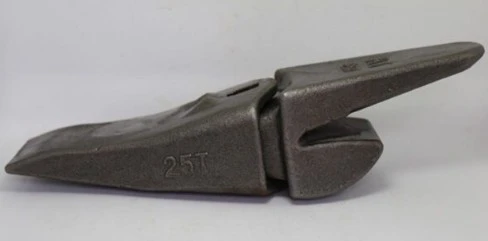
Tooth - based drilling bits are a popular choice for loamy soil. The teeth can penetrate the soil easily, breaking up the soil particles and allowing for efficient drilling. For example, the 25T Soil Drilling Teeth are designed with a specific geometry that enhances their cutting ability in loamy soil. The shape of the teeth helps to reduce the amount of soil that sticks to the bit, minimizing clogging and improving overall performance.
These teeth are typically made from high - quality materials that can withstand the abrasion caused by the sand particles in the loamy soil. The hardness and toughness of the tooth material are carefully balanced to ensure long - term durability.
2. Flat Tooth Designs
Flat Soil Drilling Teeth are another option for loamy soil. Flat teeth can provide a wide cutting surface, which is beneficial for covering a larger area during drilling. They are particularly effective when you need to drill a wide and shallow hole in loamy soil. The flat design also helps to prevent the soil from building up on the bit, as the soil can slide off more easily compared to some other tooth designs.
Optimizing Bit Material
The material of the drilling bit plays a crucial role in its performance in loamy soil. Here are some key considerations when it comes to bit material:
1. Hardness
The bit needs to be hard enough to cut through the sand particles in the loamy soil without excessive wear. High - carbon steels and carbide - tipped materials are commonly used for soil drilling bits. Carbide tips, in particular, offer excellent hardness and abrasion resistance. They can maintain their cutting edge for a longer time, reducing the frequency of bit replacement and improving overall efficiency.
2. Toughness
In addition to hardness, the bit material also needs to be tough. Loamy soil can sometimes contain rocks or other hard inclusions, and a brittle bit may crack or break when it encounters these obstacles. A tough material can withstand the impact forces and continue to function effectively.
3. Corrosion Resistance
Since loamy soil retains moisture, the drilling bit is exposed to a relatively humid environment. This makes corrosion resistance an important factor. Coatings or materials with good corrosion - resistant properties can help to extend the lifespan of the bit. For example, some bits are coated with a special anti - corrosion layer that protects the base material from rust and degradation.
Drilling Parameters
Proper drilling parameters are essential for optimizing bit performance in loamy soil. Here are some key parameters to consider:
1. Rotational Speed
The rotational speed of the drilling bit affects its cutting efficiency. In loamy soil, a moderate rotational speed is usually recommended. Too high a speed can cause the soil to stick to the bit more easily, while too low a speed may result in inefficient cutting. The optimal rotational speed depends on the bit design, diameter, and the specific characteristics of the loamy soil.
2. Feed Rate
The feed rate, or the rate at which the bit is pushed into the soil, also needs to be carefully controlled. A too - high feed rate can cause the bit to become overloaded, leading to premature wear or even breakage. On the other hand, a too - low feed rate can result in slow drilling and reduced productivity. In loamy soil, a balanced feed rate that allows the bit to cut through the soil smoothly is ideal.
3. Drilling Fluid
Using a drilling fluid can significantly improve bit performance in loamy soil. Drilling fluids, such as water or a specialized mud, can help to lubricate the bit, reduce friction, and carry the cuttings away from the drilling area. This prevents the soil from sticking to the bit and improves the overall drilling efficiency. The type of drilling fluid used depends on the specific requirements of the drilling operation and the characteristics of the loamy soil.

Maintenance and Inspection
Regular maintenance and inspection of the drilling bit are crucial for ensuring optimal performance in loamy soil. Here are some maintenance tips:
1. Cleaning
After each drilling operation, the bit should be thoroughly cleaned to remove any soil or debris that has adhered to it. This can prevent the soil from hardening on the bit and causing damage over time. A simple pressure washer or a brush can be used to clean the bit.
2. Inspection
Regularly inspect the bit for signs of wear, damage, or corrosion. Check the teeth for any signs of chipping or dulling. If the bit shows significant wear, it may need to be replaced or re - sharpened. Early detection of problems can prevent more serious issues and ensure that the bit continues to perform at its best.
3. Storage
Proper storage of the drilling bit is also important. When not in use, the bit should be stored in a dry and clean environment to prevent corrosion. It's a good idea to cover the bit or store it in a protective case to avoid any accidental damage.
Conclusion
Optimizing the performance of a soil drilling bit in loamy soil requires a combination of the right bit design, appropriate materials, proper drilling parameters, and regular maintenance. As a soil drilling bit supplier, I'm committed to providing high - quality products and sharing my expertise to help you achieve the best results in your drilling operations.
If you're looking for high - performance soil drilling bits for loamy soil or have any questions about optimizing your drilling process, I encourage you to contact me for a detailed discussion. Whether you're a professional contractor or a DIY enthusiast, I can offer tailored solutions to meet your specific needs. Let's work together to enhance your soil drilling efficiency and productivity.
References
- ASTM International. (2023). Standard Terminology for Soil and Rock. ASTM D653 - 23.
- Bowles, J. E. (1996). Foundation Analysis and Design (5th ed.). McGraw - Hill.
- Das, B. M. (2016). Principles of Geotechnical Engineering (8th ed.). Cengage Learning.