


What is the load - bearing capacity of a Tremie Rack?
As a dedicated supplier of Tremie Racks, I often receive inquiries about the load - bearing capacity of these essential pieces of equipment. Understanding the load - bearing capacity of a Tremie Rack is crucial for ensuring the safety and efficiency of construction projects, especially those involving concrete pouring in underwater or deep - foundation applications.
The Basics of Tremie Racks
Tremie Racks are an integral part of the tremie system, which is used to place concrete underwater or in deep foundations. The system typically consists of a Tremie Hopper, Threaded Tremie Pipe, and Tremie Coupling Cable. The Tremie Rack is designed to support the tremie pipe and manage the flow of concrete during the pouring process.
The load - bearing capacity of a Tremie Rack refers to the maximum amount of weight it can safely support without experiencing structural failure. This includes the weight of the tremie pipe, the concrete within the pipe, and any additional equipment or forces acting on the rack during operation.
Factors Affecting Load - Bearing Capacity
Several factors influence the load - bearing capacity of a Tremie Rack. First and foremost is the material used in its construction. Most Tremie Racks are made of high - strength steel, which offers excellent durability and load - bearing capabilities. The quality of the steel, including its grade and thickness, directly impacts the rack's ability to withstand heavy loads.

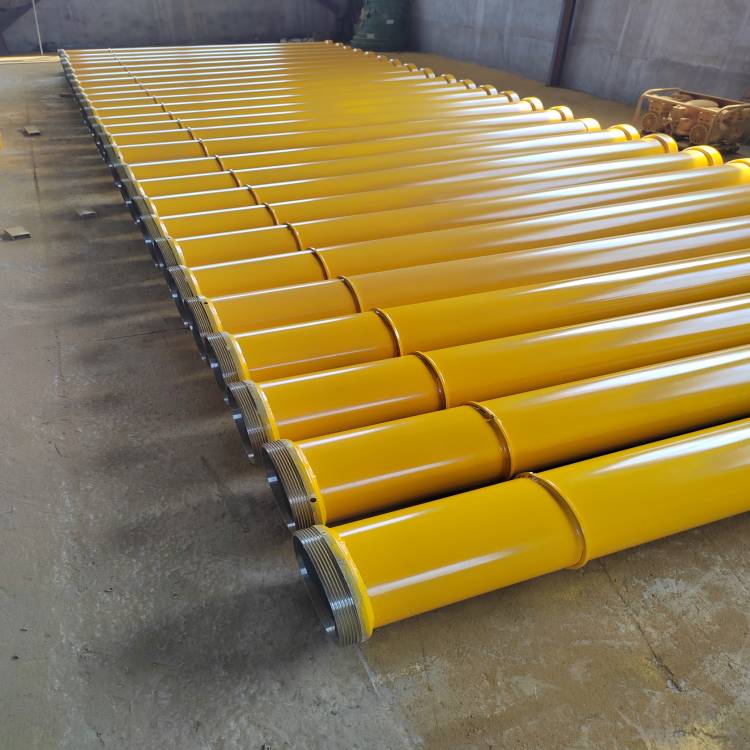
The design of the Tremie Rack also plays a significant role. A well - designed rack will have a stable base and a robust frame structure that distributes the load evenly. The geometry of the rack, such as the spacing between support legs and the shape of the frame, can affect its stability and load - bearing capacity. For example, a rack with a wider base is generally more stable and can support greater loads than one with a narrow base.
The environmental conditions in which the Tremie Rack operates are another important factor. If the rack is used in an underwater environment, it may be subject to additional forces such as water pressure and currents. These external forces can increase the overall load on the rack and reduce its effective load - bearing capacity. Similarly, extreme weather conditions, such as high winds or heavy rain, can also impact the rack's stability and load - bearing performance.
Calculating Load - Bearing Capacity
Determining the exact load - bearing capacity of a Tremie Rack requires a detailed engineering analysis. This typically involves calculating the weight of the tremie pipe, the concrete, and any additional equipment. The weight of the tremie pipe can be estimated based on its length, diameter, and the material it is made of. The weight of the concrete is calculated based on its volume and density.
Engineers also need to consider the dynamic loads that may occur during operation. For example, when the concrete is flowing through the tremie pipe, there may be sudden changes in pressure and flow rate, which can create additional forces on the rack. These dynamic loads are more difficult to calculate but are essential for ensuring the safety of the rack.
In general, load - bearing capacity calculations are based on established engineering principles and standards. These calculations take into account the material properties, the design of the rack, and the expected operating conditions. Once the calculations are complete, the rack can be rated with a specific load - bearing capacity.
Testing and Certification
To ensure the accuracy of the load - bearing capacity ratings, Tremie Racks are often subjected to rigorous testing. These tests can include static load tests, where a known load is applied to the rack to measure its deflection and structural integrity. Dynamic load tests may also be conducted to simulate the actual operating conditions and evaluate the rack's performance under changing loads.
Many manufacturers obtain certification for their Tremie Racks from independent testing agencies. These certifications provide assurance to customers that the racks meet the required safety and performance standards. When purchasing a Tremie Rack, it is important to look for products that have been tested and certified by reputable organizations.
Importance of Understanding Load - Bearing Capacity
Understanding the load - bearing capacity of a Tremie Rack is essential for several reasons. Firstly, it ensures the safety of the construction workers and the integrity of the project. Overloading a Tremie Rack can lead to structural failure, which can cause accidents and delays in the project. By using a rack with an appropriate load - bearing capacity, the risk of such failures is significantly reduced.
Secondly, it helps in the efficient planning and execution of construction projects. By knowing the load - bearing capacity of the Tremie Rack, engineers can accurately calculate the amount of concrete that can be poured at one time and plan the construction process accordingly. This can improve the overall productivity of the project and reduce costs.
Applications and Load - Bearing Requirements
Tremie Racks are used in a variety of construction applications, each with its own load - bearing requirements. In bridge construction, for example, large - scale Tremie Racks may be needed to support long tremie pipes and pour large volumes of concrete for deep foundations. These racks must have a high load - bearing capacity to withstand the weight of the pipe and the concrete.
In smaller construction projects, such as the construction of piers or retaining walls, smaller Tremie Racks with lower load - bearing capacities may be sufficient. However, it is still important to ensure that the rack can support the specific loads associated with the project.
Maintaining Load - Bearing Capacity
To maintain the load - bearing capacity of a Tremie Rack over time, regular maintenance is essential. This includes inspecting the rack for signs of wear and damage, such as cracks, corrosion, or deformation. Any damaged components should be replaced immediately to prevent a reduction in the rack's load - bearing capacity.
Proper storage and handling of the Tremie Rack are also important. When not in use, the rack should be stored in a dry and protected environment to prevent corrosion. During transportation and installation, care should be taken to avoid any impacts or damage that could affect the rack's structural integrity.
Conclusion
The load - bearing capacity of a Tremie Rack is a critical factor in the success and safety of construction projects involving concrete pouring. By understanding the factors that affect load - bearing capacity, calculating it accurately, and ensuring proper maintenance, construction professionals can make informed decisions when selecting and using Tremie Racks.
As a supplier of Tremie Racks, we are committed to providing high - quality products with reliable load - bearing capacities. Our team of experts can assist you in selecting the right rack for your specific project requirements. If you are interested in learning more about our Tremie Racks or would like to discuss your project's needs, please feel free to contact us for further details and to start a procurement discussion.
References
- Engineering Handbook for Structural Design, various editions
- Standards and Guidelines for Construction Equipment, relevant industry standards bodies