


Hey there! As a supplier of Mud Desanders, I've been getting a lot of questions lately about the corrosion resistance of these nifty machines. So, I thought I'd sit down and write a blog post to clear things up.
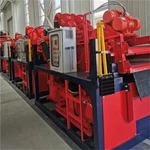
First off, let's talk about what a Mud Desander is. In simple terms, it's a device used in various industries, especially in the oil and gas sector, to separate sand and other solid particles from drilling mud. This helps in maintaining the quality of the mud, which is crucial for the smooth operation of drilling equipment. You can learn more about it here: Mud Desander.
Now, onto the main topic: corrosion resistance. Corrosion is a major concern when it comes to equipment that comes into contact with harsh substances like drilling mud. Drilling mud can contain all sorts of corrosive elements such as salts, acids, and abrasive particles. If a Mud Desander isn't corrosion-resistant, it can quickly deteriorate, leading to costly repairs and downtime.
So, what makes a Mud Desander corrosion-resistant? Well, it all starts with the materials used in its construction. At our company, we use high-quality materials that are specifically chosen for their corrosion-resistant properties. For example, the body of our Mud Desanders is often made from stainless steel. Stainless steel is known for its excellent resistance to corrosion, thanks to the presence of chromium. Chromium forms a thin, protective layer on the surface of the steel, preventing oxygen and moisture from reaching the underlying metal and causing rust.
In addition to stainless steel, we also use special coatings on some parts of the Mud Desander. These coatings act as an extra barrier against corrosion. They can be made from various materials, such as polymers or ceramics, depending on the specific requirements of the application. For instance, in environments where the mud is highly acidic, a ceramic coating might be used because it can withstand the corrosive effects of acids better than other materials.


Another factor that affects the corrosion resistance of a Mud Desander is its design. A well-designed Mud Desander will have features that minimize the accumulation of mud and other corrosive substances. For example, smooth internal surfaces make it easier for the mud to flow through the device, reducing the chances of mud sticking to the walls and causing corrosion. Additionally, proper drainage systems are incorporated to ensure that any excess mud or water is quickly removed from the Desander.
But how do we test the corrosion resistance of our Mud Desanders? We have a rigorous testing process in place. We expose samples of the materials used in the Desander to simulated drilling mud environments for extended periods of time. These environments are carefully controlled to mimic the conditions that the Desander might encounter in real-world applications. We monitor the samples for signs of corrosion, such as rust formation or pitting, and measure the rate of corrosion. Based on the results of these tests, we can make any necessary adjustments to the materials or coatings used in the Desander to improve its corrosion resistance.
It's also important to note that proper maintenance plays a crucial role in ensuring the long-term corrosion resistance of a Mud Desander. Regular cleaning and inspection can help detect any signs of corrosion early on and allow for timely repairs. We provide detailed maintenance instructions to our customers, and we also offer support and training to help them keep their Mud Desanders in top condition.
Now, you might be wondering how our Mud Desanders compare to other similar products on the market. Well, we're confident that our Mud Desanders offer superior corrosion resistance. Our focus on using high-quality materials, advanced coatings, and innovative design sets us apart from the competition. We've received positive feedback from our customers, who have noticed a significant reduction in corrosion-related issues compared to other brands they've used in the past.
If you're in the market for a Mud Desander and corrosion resistance is a top priority for you, then you've come to the right place. Our Mud Desanders are built to last, even in the most challenging environments. Whether you're working in the oil and gas industry, mining, or any other sector that requires the separation of solids from liquids, our Mud Desanders can meet your needs. And if you're also interested in a Slurry Desander, we've got you covered there too.
If you have any questions or would like to discuss your specific requirements, don't hesitate to get in touch. We're always happy to help and look forward to the opportunity to work with you. Whether you're a small business or a large corporation, we can provide you with the right Mud Desander solution for your operations.
In conclusion, the corrosion resistance of a Mud Desander is a critical factor that should not be overlooked. By choosing a Mud Desander with excellent corrosion resistance, you can save money on repairs and replacements in the long run, and ensure the smooth and efficient operation of your equipment. So, if you're looking for a reliable and corrosion-resistant Mud Desander, give us a shout. We're here to help you find the perfect solution for your needs.
References:
- "Corrosion Resistance of Metals and Alloys" - A textbook on the principles of corrosion and the properties of different metals and alloys.
- "Materials Science for Engineers" - A comprehensive guide to the selection and use of materials in engineering applications.