

Getting a soil drilling bit stuck in the soil is a frustrating problem that many in the drilling industry encounter. As a seasoned soil drilling bit supplier, I've seen firsthand the challenges that operators face when this issue arises. In this blog post, I'll share some practical solutions to help you overcome this problem and get your drilling operations back on track.
Understanding the Causes of a Stuck Drilling Bit
Before we delve into the solutions, it's important to understand the common causes of a stuck drilling bit. By identifying the root cause, you can take appropriate measures to prevent the problem from recurring in the future.

1. Hard or Compacted Soil
One of the most common reasons for a stuck drilling bit is hard or compacted soil. When the soil is too dense, the bit may struggle to penetrate it, causing it to become stuck. This is especially true in areas with clay or rock formations.
2. Debris and Obstructions
Another cause of a stuck drilling bit is the presence of debris or obstructions in the soil. Rocks, roots, and other foreign objects can get caught in the bit, preventing it from turning or moving forward.
3. Improper Bit Selection
Using the wrong type of drilling bit for the soil conditions can also lead to a stuck bit. Different soils require different types of bits, and using an inappropriate bit can result in poor performance and increased risk of getting stuck.
4. Overloading the Bit
Applying too much pressure or torque to the bit can cause it to become stuck. This can happen when the drilling equipment is not properly calibrated or when the operator is inexperienced.
Solutions to a Stuck Drilling Bit
Now that we've identified the common causes of a stuck drilling bit, let's explore some solutions to help you get it unstuck.
1. Reverse the Drilling Direction
One of the first things you can try is to reverse the drilling direction. This can help to loosen the bit and free it from the soil. Slowly reverse the drill and apply gentle pressure to see if the bit starts to move.
2. Apply Vibrations
Applying vibrations to the drilling equipment can also help to loosen the bit. You can use a vibration hammer or a similar tool to send vibrations through the drill string. The vibrations can help to break up the soil around the bit and reduce friction, making it easier to free the bit.
3. Flush the Borehole
Flushing the borehole with water or drilling fluid can help to remove debris and reduce friction. Use a high-pressure pump to circulate the fluid through the drill string and out of the bit. The fluid can help to wash away any debris that may be causing the bit to stick and lubricate the bit, making it easier to turn.
4. Use a Retrieval Tool
If the above methods don't work, you may need to use a retrieval tool to remove the stuck bit. There are several types of retrieval tools available, such as overshots, spears, and fishing tools. These tools are designed to grip the bit and pull it out of the soil.
5. Change the Bit
If all else fails, you may need to change the bit. Sometimes, the bit may be damaged or worn out, making it difficult to free. In this case, replacing the bit with a new one may be the best solution.
Preventing a Stuck Drilling Bit
While it's important to know how to solve the problem of a stuck drilling bit, it's even better to prevent it from happening in the first place. Here are some tips to help you prevent a stuck bit:
1. Choose the Right Bit
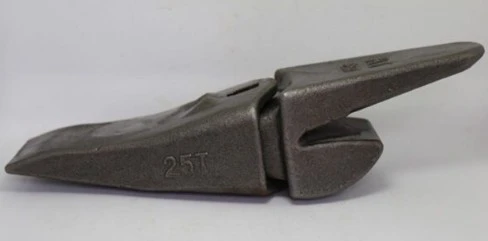
As mentioned earlier, choosing the right bit for the soil conditions is crucial. Before starting a drilling project, conduct a soil analysis to determine the type of soil you'll be drilling in. Based on the analysis, select a bit that is designed for that specific soil type. You can find a wide range of high-quality soil drilling bits, including Flat Soil Drilling Teeth and 25T Soil Drilling Teeth, on our website.
2. Properly Calibrate the Drilling Equipment
Make sure the drilling equipment is properly calibrated before starting a project. This includes setting the correct pressure, torque, and speed. Overloading the bit can increase the risk of getting stuck, so it's important to follow the manufacturer's recommendations and use the equipment within its specified limits.
3. Clear the Borehole
Before starting to drill, clear the borehole of any debris or obstructions. This can help to prevent the bit from getting caught on rocks, roots, or other foreign objects. Use a borehole cleaner or a similar tool to remove any debris from the borehole.
4. Monitor the Drilling Process
Keep a close eye on the drilling process and watch for any signs of a stuck bit. If you notice that the drill is not advancing as expected or if you hear unusual noises, stop the drilling immediately and investigate the problem. Early detection can help to prevent the bit from getting completely stuck and reduce the risk of damage to the equipment.
Conclusion
Getting a soil drilling bit stuck in the soil is a common problem, but it doesn't have to be a major setback. By understanding the causes of a stuck bit and implementing the solutions and prevention tips outlined in this blog post, you can minimize the risk of getting stuck and keep your drilling operations running smoothly.
If you're in the market for high-quality soil drilling bits, we invite you to explore our product range. We offer a wide selection of bits designed for various soil conditions and drilling applications. Our experienced team is also available to provide you with expert advice and support to help you choose the right bit for your needs.
Contact us today to discuss your drilling requirements and explore our range of soil drilling bits. We look forward to helping you find the perfect solution for your next drilling project.
References
- "Drilling Engineering Handbook" by John P. Gates
- "Soil Mechanics and Foundations" by Braja M. Das
- "Geotechnical Engineering: Principles and Practices" by Craig H. Benson