


Hey there! I'm a supplier of Threaded Tremie Pipes, and I know transporting these pipes safely is no walk in the park. In this blog, I'll share some tips and tricks to ensure your Threaded Tremie Pipe gets from point A to point B without a hitch.
First things first, let's talk about why safety is so important when transporting Threaded Tremie Pipes. These pipes are often used in construction projects, such as building bridges or foundations. Any damage during transportation can lead to costly delays and repairs. Plus, safety is always a top priority, not just for the pipes but for everyone involved in the transportation process.
Pre - Transport Preparation
Before you even think about loading the pipes onto a truck or trailer, you need to do some prep work.
Inspection
Give each Threaded Tremie Pipe a thorough once - over. Look for any signs of damage, like cracks, dents, or rust. If you find any issues, it's best to address them before transportation. You don't want a small problem turning into a big headache down the road.
Cleaning
Clean the pipes to remove any dirt, debris, or loose materials. This not only makes them easier to handle but also reduces the risk of scratches or other damage during transit.
Securing Accessories
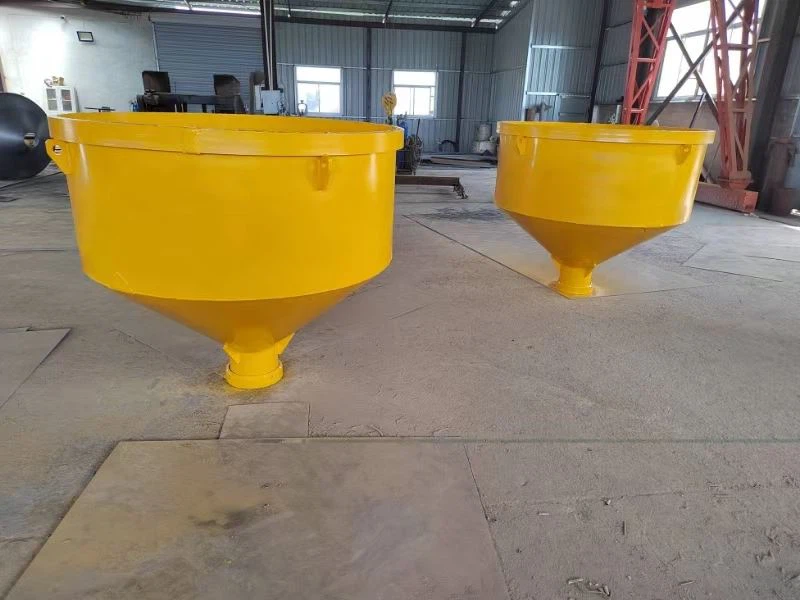
If your Threaded Tremie Pipes come with accessories like Tremie Hopper, Tremie Coupling Cable, or Tremie Rack, make sure they are properly secured. Loose accessories can bounce around and cause damage to the pipes or even pose a safety hazard.
Choosing the Right Transportation Method
There are a few different ways to transport Threaded Tremie Pipes, and the method you choose depends on several factors, such as the distance, the quantity of pipes, and the terrain.
Trucks
Trucks are a popular choice for transporting Threaded Tremie Pipes, especially for shorter distances. They offer flexibility and can be easily maneuvered to reach the job site. When using a truck, make sure it has a flatbed or a trailer that is suitable for carrying long pipes.
Railways
For longer distances, railways can be a cost - effective option. Railways can handle large quantities of pipes and are generally more stable than trucks. However, you need to consider the additional logistics of loading and unloading the pipes at the railway stations.
Ships
If you're transporting Threaded Tremie Pipes overseas or across large bodies of water, ships are the way to go. But this method requires careful planning and coordination, as you need to ensure the pipes are properly secured on the ship's deck or in the cargo hold to prevent damage from waves and rough seas.
Loading the Pipes
Loading the Threaded Tremie Pipes onto the transportation vehicle is a critical step. Here are some guidelines to follow:
Use the Right Equipment
You'll need equipment like cranes or forklifts to load the pipes safely. Make sure the equipment is in good working condition and that the operators are trained and experienced.
Stacking
When stacking the pipes, do it in a way that distributes the weight evenly. Avoid stacking them too high, as this can make the load unstable. You can use spacers or dunnage between the layers of pipes to prevent them from rubbing against each other.
Securing the Load
Once the pipes are loaded, use straps, chains, or ropes to secure them firmly to the transportation vehicle. Make sure the load is tight and won't shift during transit. Check the straps or chains regularly to ensure they remain tight.
During Transportation
The journey doesn't end once the pipes are loaded. You need to take some precautions during transportation to ensure their safety.

Speed and Driving Conditions
If you're using a truck, the driver should drive at a reasonable speed, especially on rough roads or in bad weather. Sudden stops, starts, or turns can cause the pipes to shift and potentially damage them.
Monitoring
If possible, monitor the load during transportation. You can use cameras or sensors to keep an eye on the pipes and detect any signs of movement or damage.
Weather Protection
If the weather is bad, like heavy rain, snow, or extreme heat, take steps to protect the pipes. You can cover them with tarps or other protective materials to prevent rust or other weather - related damage.
Unloading the Pipes
When you reach the destination, unloading the Threaded Tremie Pipes should be done just as carefully as loading them.
Follow the Loading Procedure in Reverse
Use the same equipment and techniques as you did during loading. Make sure the unloading area is clear and safe.
Inspect Again
Once the pipes are unloaded, give them another inspection to check for any damage that may have occurred during transportation.
Conclusion
Transporting Threaded Tremie Pipes safely requires careful planning, proper equipment, and attention to detail. By following these tips, you can minimize the risk of damage and ensure that your pipes arrive at the job site in good condition.
If you're in the market for high - quality Threaded Tremie Pipes or need more information on transportation best practices, don't hesitate to reach out. We're here to help you with all your Threaded Tremie Pipe needs and can assist you in making the right choices for your projects. Let's start a conversation about your procurement requirements!
References
- Construction Industry Standards for Pipe Transportation
- Manufacturer's Guidelines for Threaded Tremie Pipe Handling and Transport