


Hey there! As a supplier of tremie pipes, I've had my fair share of questions about what these things are used for. So, I thought I'd write this blog to clear up any confusion and give you the lowdown on tremie pipes.
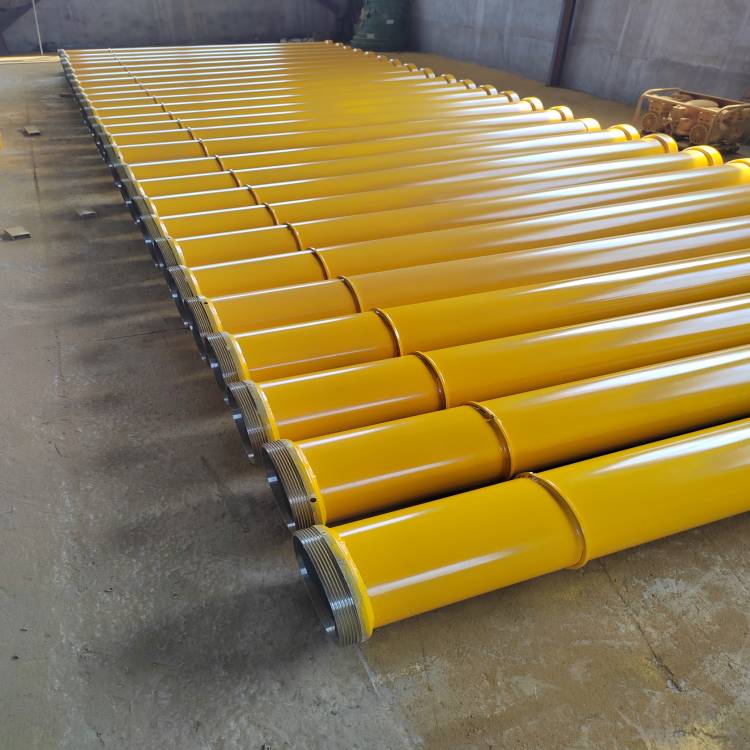
First off, let's start with the basics. A tremie pipe is a long, vertical pipe that's used in various construction and engineering projects, especially those involving concrete placement underwater. It's like a big straw, but instead of sucking up a milkshake, we're pushing out concrete!
Underwater Concrete Placement
One of the most common uses of a tremie pipe is for underwater concrete placement. When you're building a structure like a bridge pier, a dam, or an offshore platform, you often need to pour concrete underwater. And that's where the tremie pipe comes in handy.
The way it works is pretty simple. The tremie pipe is lowered into the water until it reaches the bottom where the concrete needs to be placed. Then, concrete is poured into the top of the pipe. As the concrete flows down through the pipe, it displaces the water at the bottom, creating a continuous column of concrete. This ensures that the concrete is placed in the right location without getting mixed up with the surrounding water, which could weaken the concrete.
For example, if you're building a bridge pier, the tremie pipe allows you to pour concrete directly into the formwork that's submerged underwater. This creates a solid foundation for the pier, ensuring its stability and durability.
Foundation Construction
Tremie pipes are also used in foundation construction, especially for deep foundations. When building a tall building or a heavy structure, you need a strong foundation to support the weight. Sometimes, the soil conditions at the construction site require deep foundations, such as piles or caissons.
In these cases, the tremie pipe is used to pour concrete into the piles or caissons. The pipe is inserted into the hole or cavity, and the concrete is pumped down through it. This ensures that the concrete fills the entire space evenly, creating a solid and stable foundation.
Marine Construction
In marine construction projects, such as building breakwaters, jetties, or seawalls, tremie pipes are essential. These structures are often built in the water, and the concrete needs to be placed underwater to create a strong and durable barrier against the forces of the ocean.
The tremie pipe allows the construction team to place the concrete precisely where it's needed, even in rough or turbulent water conditions. This helps to ensure the integrity of the structure and protects the coastline from erosion.
Types of Tremie Pipes
Now, let's talk about the different types of tremie pipes available. As a supplier, I offer a variety of options to meet the specific needs of my customers.
- Wire Cable Tremie Pipe: This type of tremie pipe is designed with a wire cable reinforcement, which provides additional strength and flexibility. It's ideal for projects where the pipe needs to be lowered into deep water or where there are high-pressure conditions. You can check out more about Wire Cable Tremie Pipe on our website.
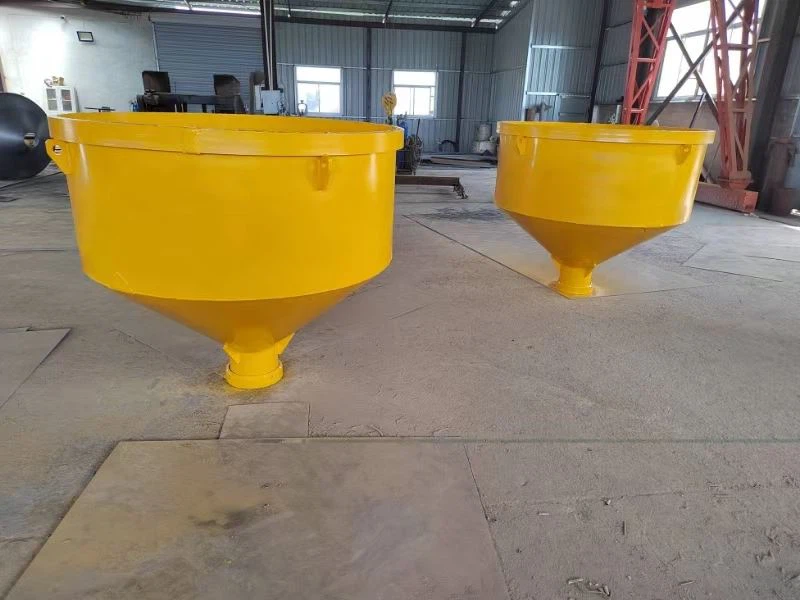
- Tremie Hopper: A tremie hopper is a large container that's attached to the top of the tremie pipe. It's used to hold the concrete before it's poured into the pipe. The hopper helps to control the flow of concrete and ensures a continuous supply. You can find more details about Tremie Hopper on our site.
- Threaded Tremie Pipe: Threaded tremie pipes are easy to assemble and disassemble, making them convenient for transportation and storage. They're commonly used in smaller construction projects or where quick installation is required. You can learn more about Threaded Tremie Pipe on our webpage.
Benefits of Using Tremie Pipes
There are several benefits to using tremie pipes in construction projects:
- Precise Concrete Placement: Tremie pipes allow for precise placement of concrete, ensuring that it reaches the desired location without getting mixed with water or other contaminants.
- Continuous Concrete Flow: The design of the tremie pipe ensures a continuous flow of concrete, which helps to create a solid and homogeneous structure.
- Underwater Construction: They enable construction in underwater environments, which would otherwise be difficult or impossible.
- Durability: By ensuring proper concrete placement, tremie pipes contribute to the durability and longevity of the structures.
How to Choose the Right Tremie Pipe
When choosing a tremie pipe for your project, there are a few factors to consider:
- Project Requirements: Consider the depth of the water, the volume of concrete needed, and the specific requirements of your project.
- Pipe Size: The size of the tremie pipe will depend on the amount of concrete you need to pour and the diameter of the hole or cavity where the concrete will be placed.
- Material: Tremie pipes are typically made of steel or plastic. Steel pipes are stronger and more durable, while plastic pipes are lighter and more affordable.
- Connection Type: Choose a connection type that's easy to assemble and disassemble, depending on your project's needs.
Conclusion
So, there you have it! That's what a tremie pipe is used for. Whether you're working on an underwater construction project, building a foundation, or involved in marine construction, tremie pipes are an essential tool.
As a supplier, I'm here to help you find the right tremie pipe for your project. If you have any questions or need more information, feel free to reach out. We can discuss your specific requirements and find the best solution for you. Let's work together to make your construction project a success!
References
- Construction Materials and Methods by H. Edward Robinson
- Foundation Design: Principles and Practices by Braja M. Das